Between Spearhead, Warcry and Underworlds: our latest army-building dilemmas
We’ve recently had one of those very Warhammer conversations that starts with “I think I know what I’m buying next” and immediately turns into a full discussion about loadouts, game modes, visibility rules, and whether buying a second box is actually the most sensible option.
This time the topic bounced between Warhammer Underworlds, Age of Sigmar: Spearhead, and Warcry — which is honestly a pretty normal evening for us.
The next box on the horizon: Underworlds Embergard
Michał mentioned that his next purchase will probably be Warhammer Underworlds: Embergard, the starter set for Underworlds. The big selling point here is simple: it’s a boxed game with a grid-based board, so it feels like something we could easily try out together for a test game at some point.
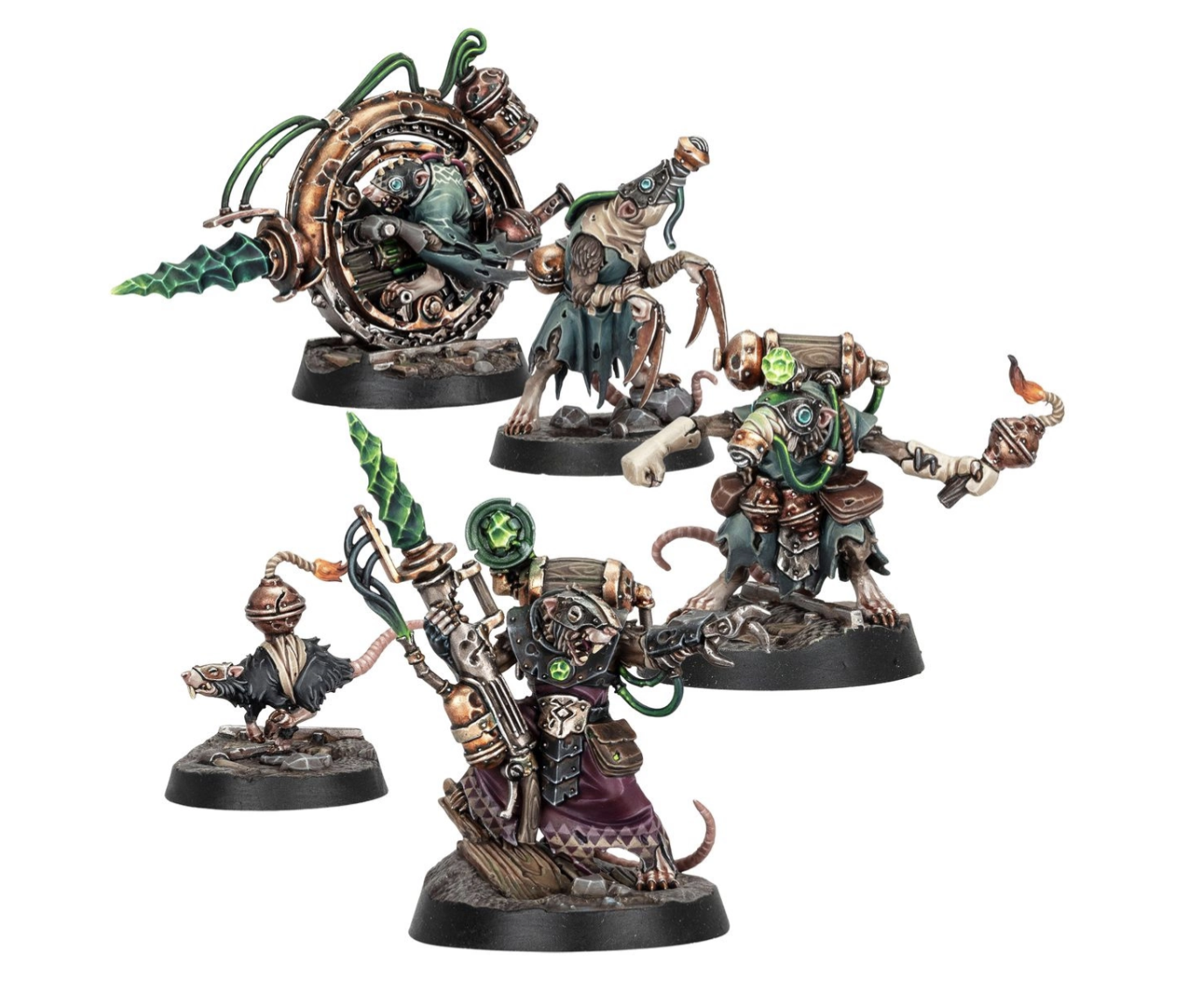
Inside the box are two warbands: Skaven and Stormcast Eternals. And while the Eternals got a fairly lukewarm reception from us, the Skaven absolutely did not.
According to Michał, these might genuinely be the best Skaven miniatures he’s ever seen — and looking at them, we can see why.
The Stormcast side, meanwhile, landed more in the “they’re fine” category.
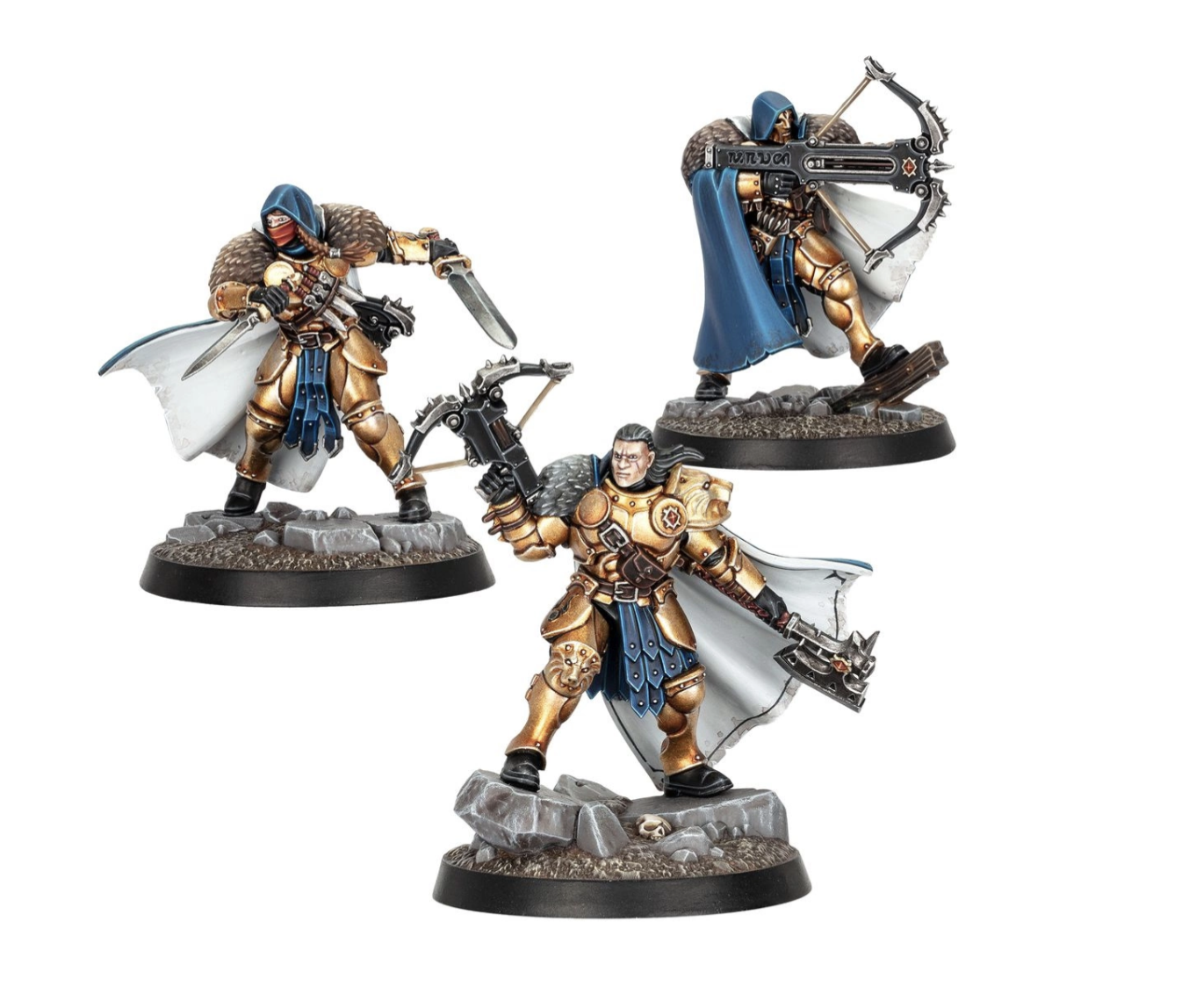
That contrast is funny, but also very relatable. Sometimes one half of a starter set completely steals the show.
Kharadron problems: when every option looks cool
The other half of the conversation was peak hobby pain: building Kharadron Overlords and realizing that the kit does not let you build every cool option at once.
Andrzej was working through his choices and discovered that even the Thunderers aren’t a simple “just build what’s in the box” situation. Instead, each type has at least a couple of variants, which means the familiar problem returns: you have to decide which version makes the cut, knowing full well you won’t get everything.
That kind of choice is always rough when the minis are cool enough that you want all the options, both for rules and for looks.
He also mentioned one of our favorite kinds of hobby decisions: building something because it simply looks better, even if it’s not the default or most practical option. In this case, instead of assembling a regular Arkanaut option, he built himself a kind of “second” captain with a sword, a bigger pistol, and a much more noble face — because it looked great. For Warcry it won’t really matter, and in bigger games it can always just stand in as a regular weaker guy if needed.
Honestly, that’s a very healthy approach to army-building. Rules matter, but cool models matter too.
Building for Spearhead first
Michał’s approach is a bit more structured at the moment: he’s assembling things according to what Spearhead requires.
That makes a lot of sense when you want to get an army playable quickly instead of disappearing into infinite option paralysis. And if we end up playing larger games later, the plan is simple enough: just buy a second box and then build the extra variants however he wants.
It’s a classic solution to a classic Warhammer problem.
Thunderers, heavy weapons and a possible Warcry-flavoured list
Andrzej still plans to pick up Thunderers, partly because they bring some very welcome heavy weapons to the table. With so many points tied up in a ship in Spearhead, and with that ship not really helping in Warcry, the list-building options for a smaller force felt a bit limited.
Thunderers open up more interesting possibilities there. We even started imagining a sort of alternative Spearhead-style setup, but skewed more toward what feels useful for Warcry — with Thunderers replacing the frigate, and maybe a Khemist taking the spot of the Admiral.
That’s one of the things we really enjoy in this stage of the hobby: the list isn’t even finalized yet, but the imagination is already doing laps.
The eternal question: can we “optimize” model visibility?
At some point the discussion naturally descended into the kind of completely serious nonsense that miniature gaming is built on.
Andrzej joked that depending on how we settle visibility rules, maybe he just wouldn’t attach a banner to one of the models.
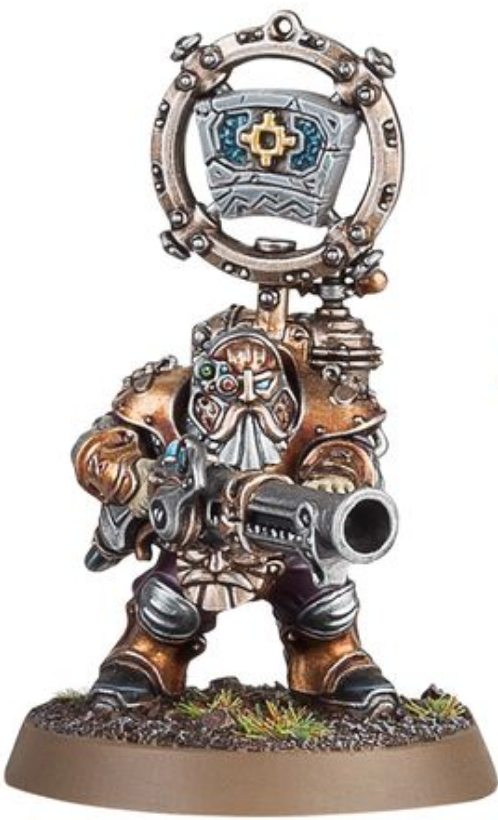
Michał immediately shut that down, for very good reasons. Visibility rules work the way they do for a reason, and banners, silhouettes, and all those awkward sticking-out bits are part of the game actually making sense on the table. Otherwise, as he put it, someone might as well assemble a Treelord as just a pair of legs.
Which, to be fair, is an incredible mental image.
The counterargument — “if his attack is kicks, then fine” — also did not exactly weaken the mood.
Secret options hidden in the kit
To make the choice paralysis even better, Andrzej also found an alternative mortar build that looks fantastic and apparently isn’t even shown on the box art.
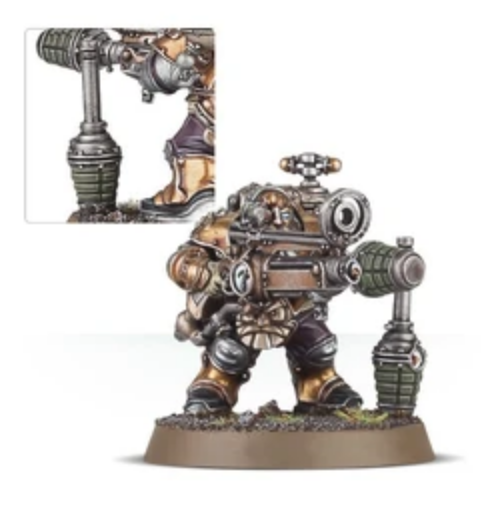
And that really is the heart of the problem, isn’t it? The more closely you look at a kit, the more cool possibilities you discover, and the harder it becomes to commit.
The usual ending: maybe just start another army?
Naturally, the conversation ended with the accusation that all this complaining about one army probably just means Andrzej is mentally preparing to collect a second one — specifically Blades of Khorne, described in a way that can only be summarized as extremely angry barbarians loudly praising blood and skulls at 3 a.m.
Which, if we’re being honest, does sound very on brand.
Where we are now
So at the moment, we’ve got:
- a possible future dive into Warhammer Underworlds: Embergard,
- admiration for some truly excellent Skaven sculpts,
- ongoing Kharadron Overlords build dilemmas,
- list ideas jumping between Spearhead and Warcry,
- and the usual reminder that in Warhammer, choosing what not to build is often the hardest part.
This is one of our favorite phases of the hobby, honestly. Before the paint is even opened, before the lists are settled, there’s that stage where every box is full of possibilities and every conversation somehow becomes both practical and deeply stupid in exactly the right proportions.
And yes, we’ll probably keep overthinking all of it.