Printed, Bought, and Very, Very Ratty
A perfectly normal hobby chat in our group recently turned into three classic topics at once: spot the printed models, complain about expensive plastic, and admire increasingly ridiculous Skaven monsters. So basically: a full Warhammer day.
It started with Michał dropping two photos and asking the important question: which 3 out of these 6 models are printed, and which are bought?
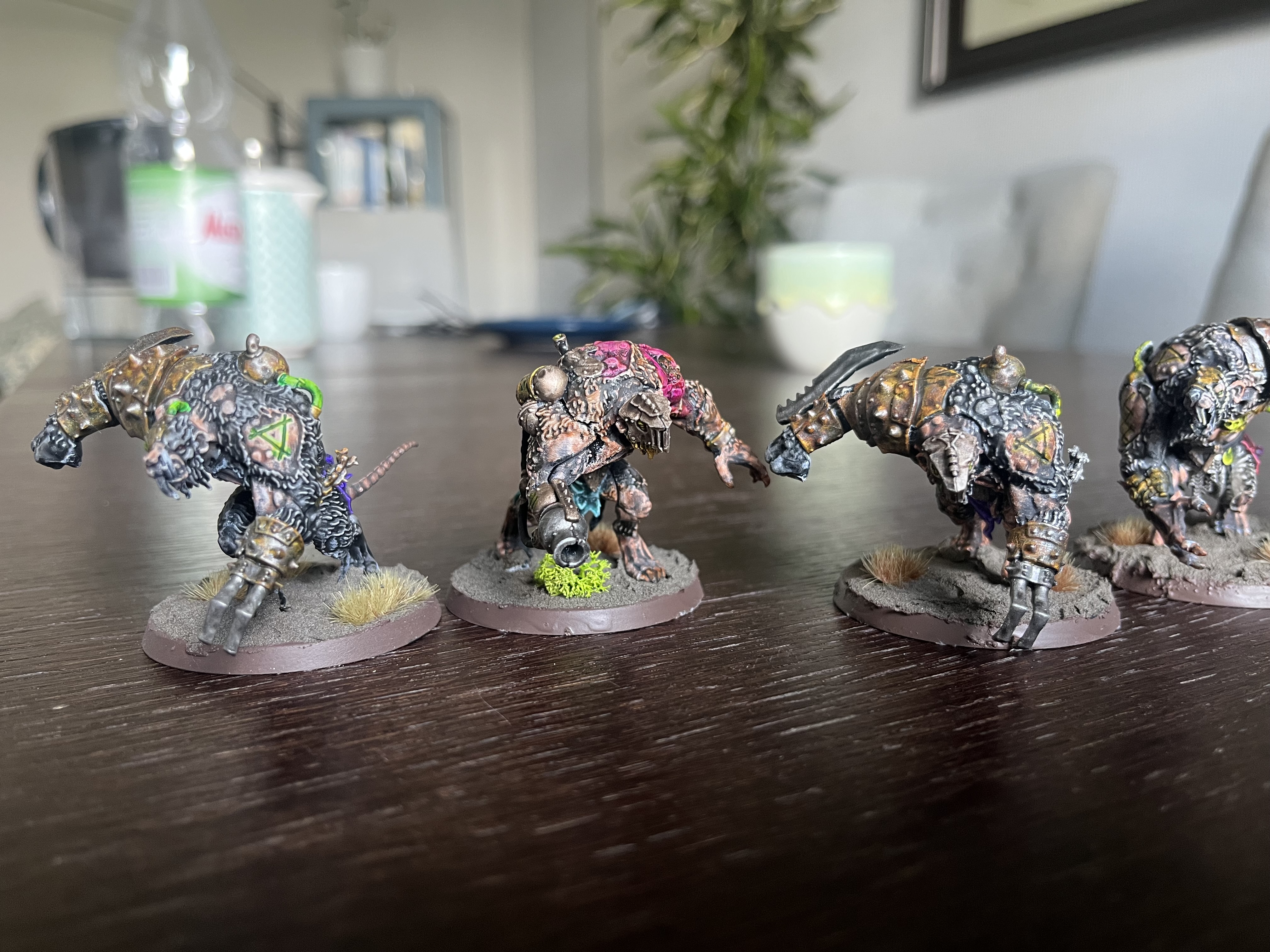
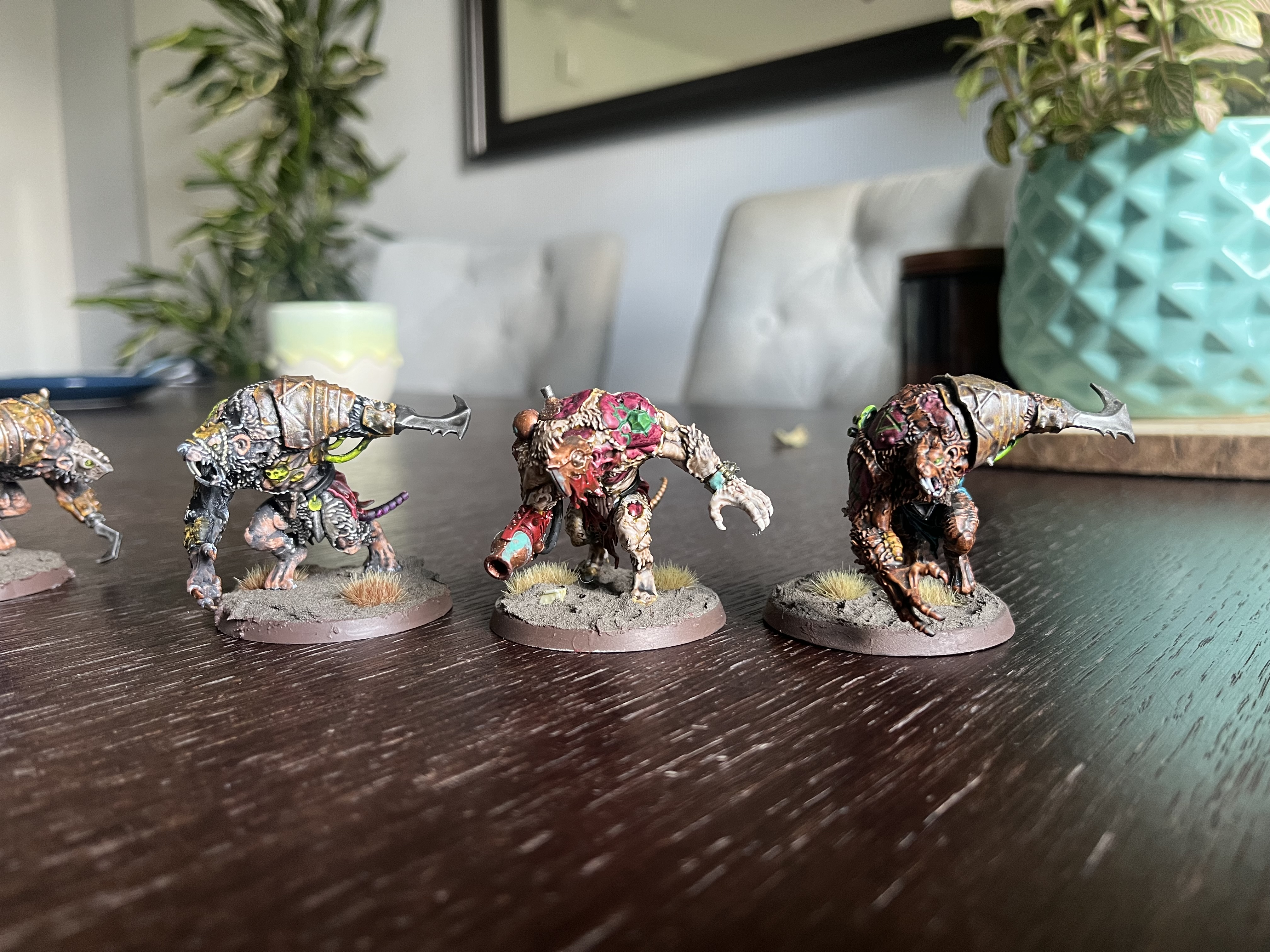
The immediate conclusion from the chat was simple: if you can’t tell at a glance, then the quality gap is clearly not obvious. As Ender put it, if you can’t see the difference, why overpay? At the same time, he also pointed out something very real: finding more than a couple of original Kharadron Overlords kits isn’t always easy anyway.
That kicked off a broader discussion we’ve all probably had at some point in the hobby: what does 3D printing actually change, and how should Games Workshop respond to it?
Dubry raised an interesting point: maybe one day companies could sell both physical kits and paid digital files, a bit like hardbacks and ebooks. It’s not a new comparison, but it still feels relevant. Music piracy didn’t get “solved” by winning a fight against the internet — it changed because the model changed. Whether miniatures will ever go that way is another question entirely.
Our collective prediction? Probably not anytime soon. Expensive plastic remains expensive plastic.
Michał also shared a screenshot of GW’s financials, which naturally led to some very mature commentary from a group of hobbyists who are definitely not middle-aged children.
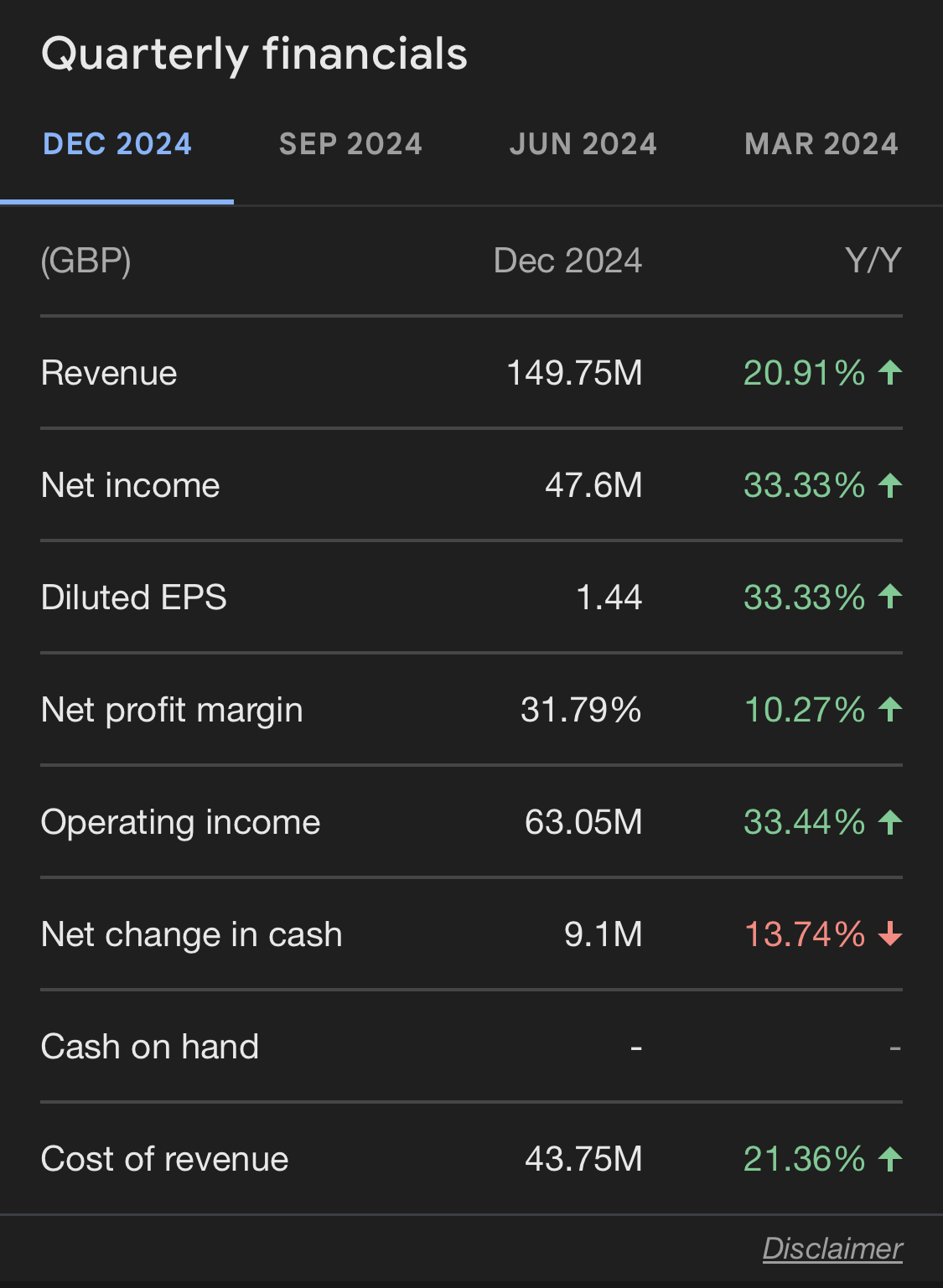
The key number from the chat: 47 million net profit in a quarter. So while we were joking about microscopic year-on-year improvements in cost of revenue, the broader point was obvious: GW is doing just fine.
And then, because every conversation should eventually become about giant mutant rats, we swerved hard into Skaven size comparisons.
First up: a humble Clanrat next to a Rat Ogor.
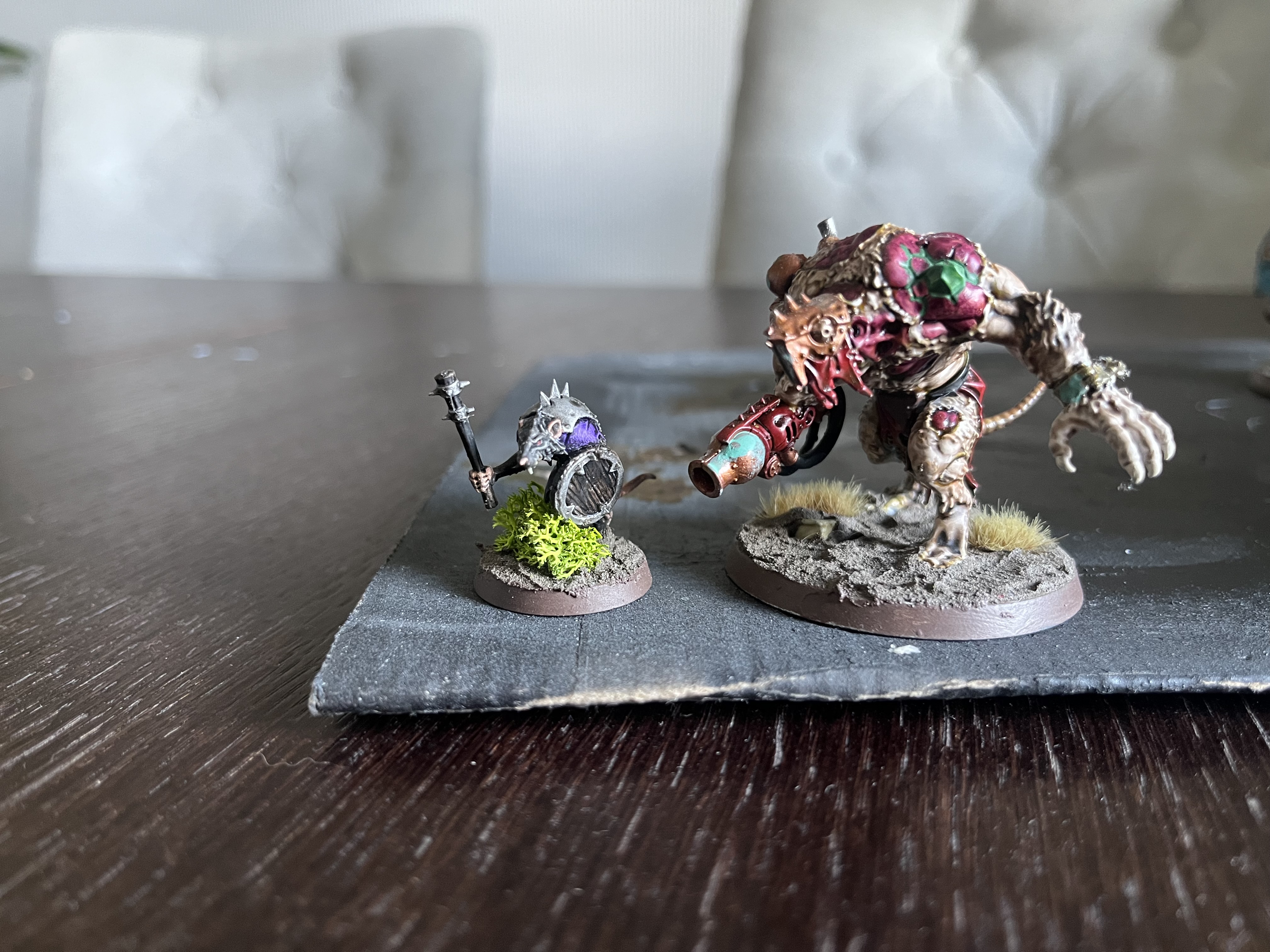
This already tells a great Skaven story visually. One is a sneaky little ratman. The other is what happens when somebody in Clan Moulder decides that restraint is for other species.
Then things escalated. According to Michał’s entirely scientific summary: if a Rat Ogor gets too much warpstone in childhood, it grows up into a Stormfiend.
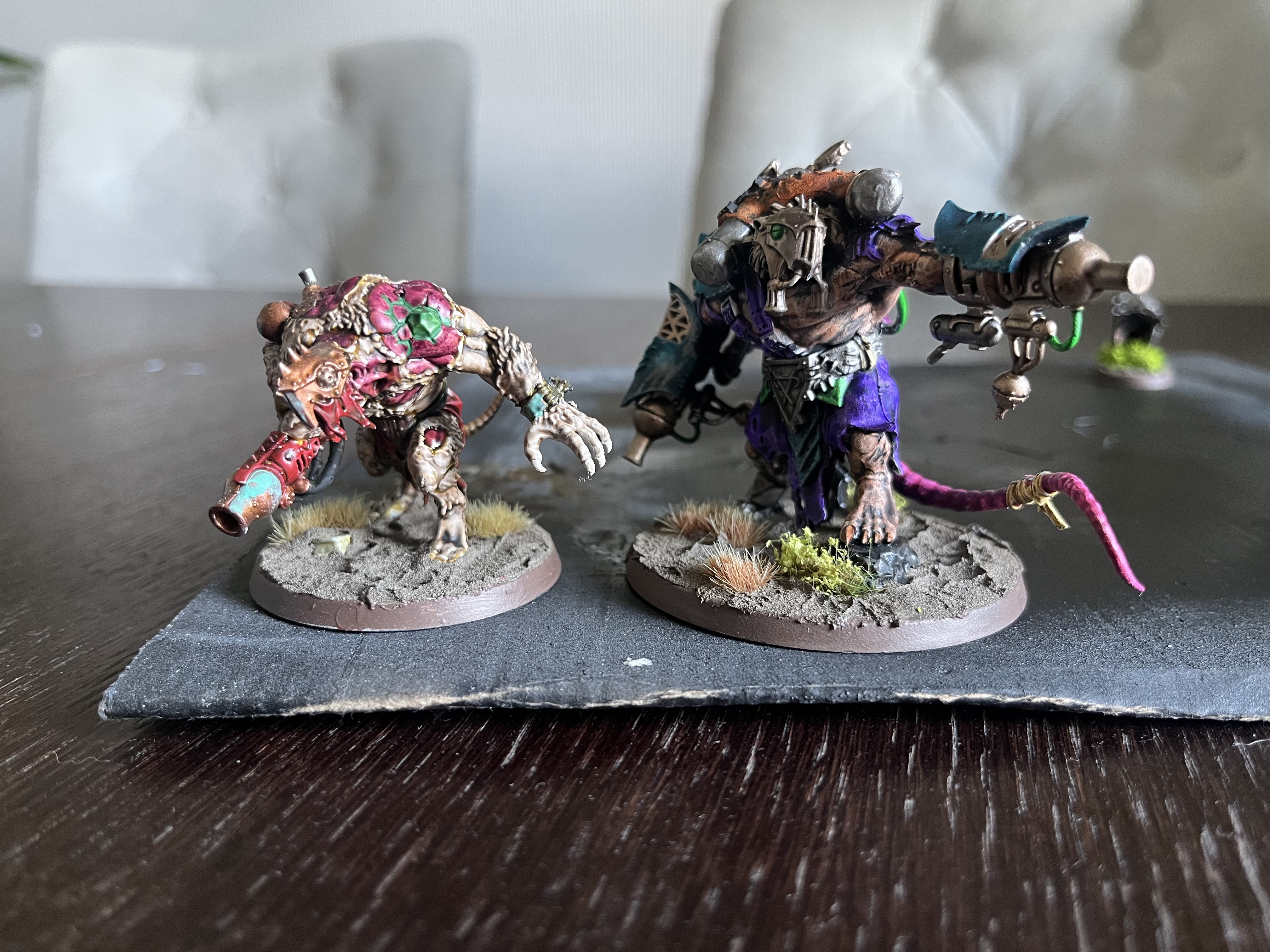
And if Stormfiends die? Well, naturally a Master Moulder gathers the bodies and stitches them into one nightmare. That gives us the Brood Terror.
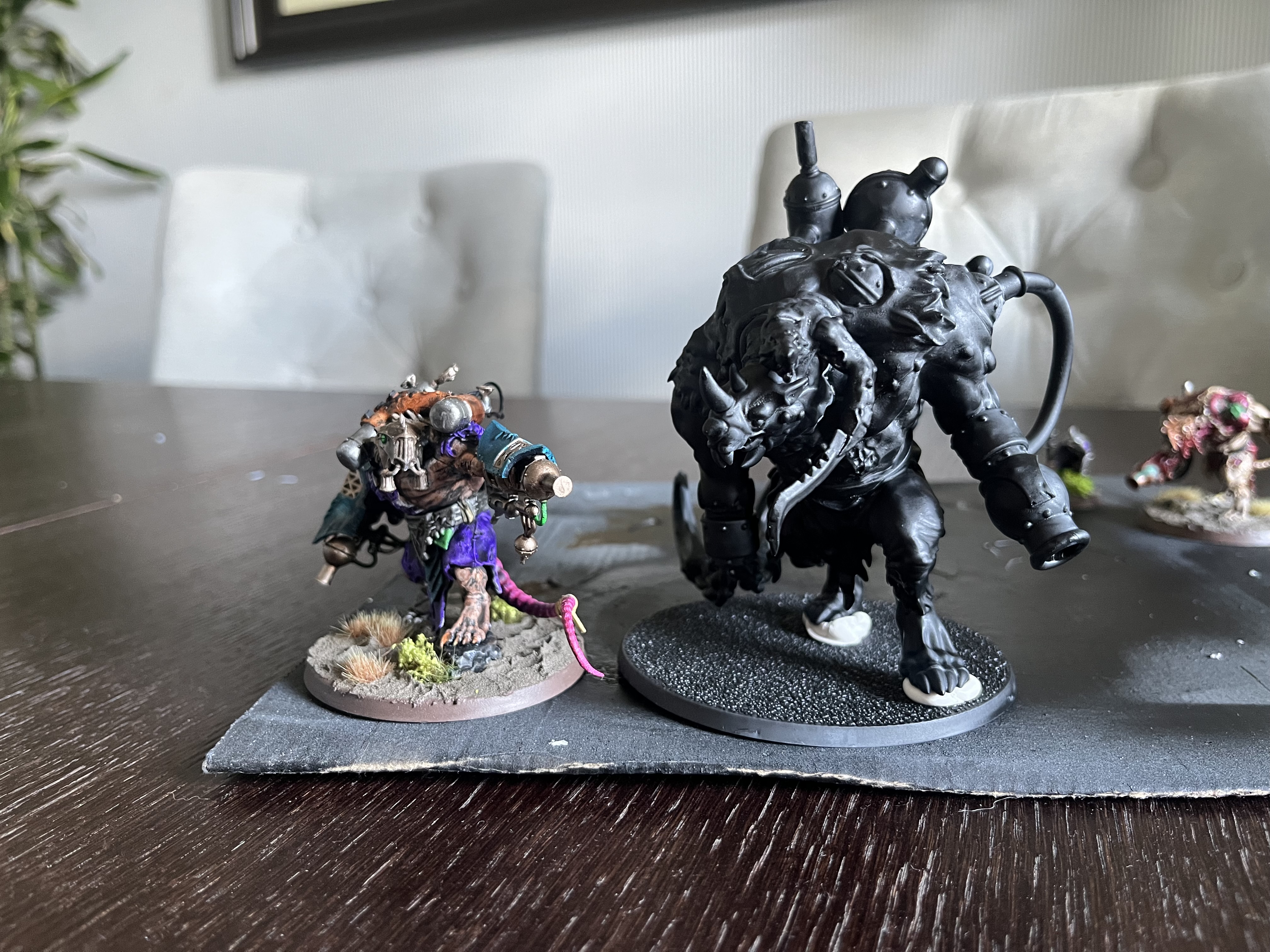
Which is, in the most affectionate possible terms, an absolutely enormous lump of Skaven nonsense.
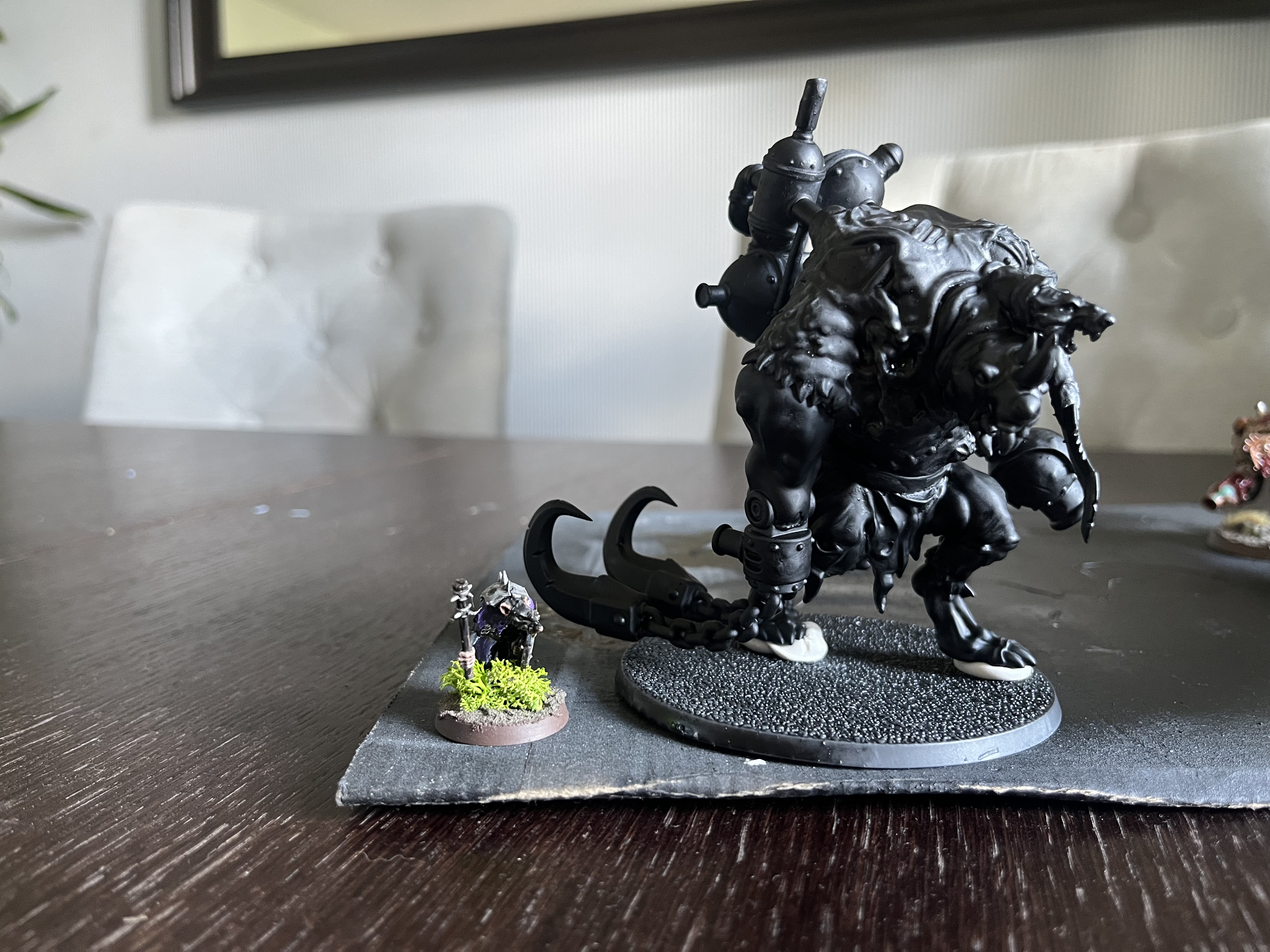
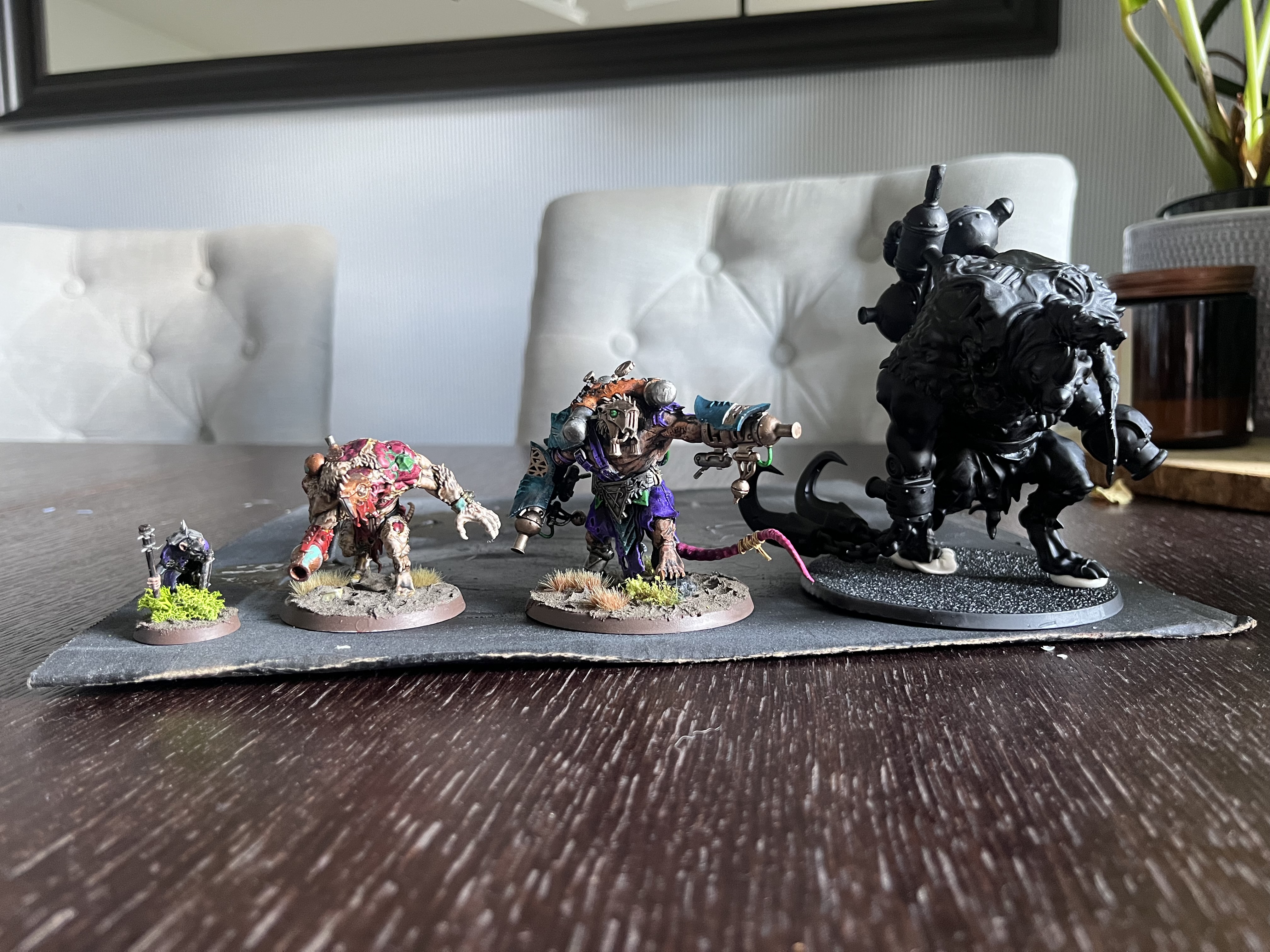
At this point we also got the practical detail every Warhammer player eventually asks about a huge model: what base is that on? The answer: 90 mm. Big, but not quite “small boat” territory.
Finally, Michał showed us his Hell Pit Abomination, which apparently printed at the wrong scale and came out too large.
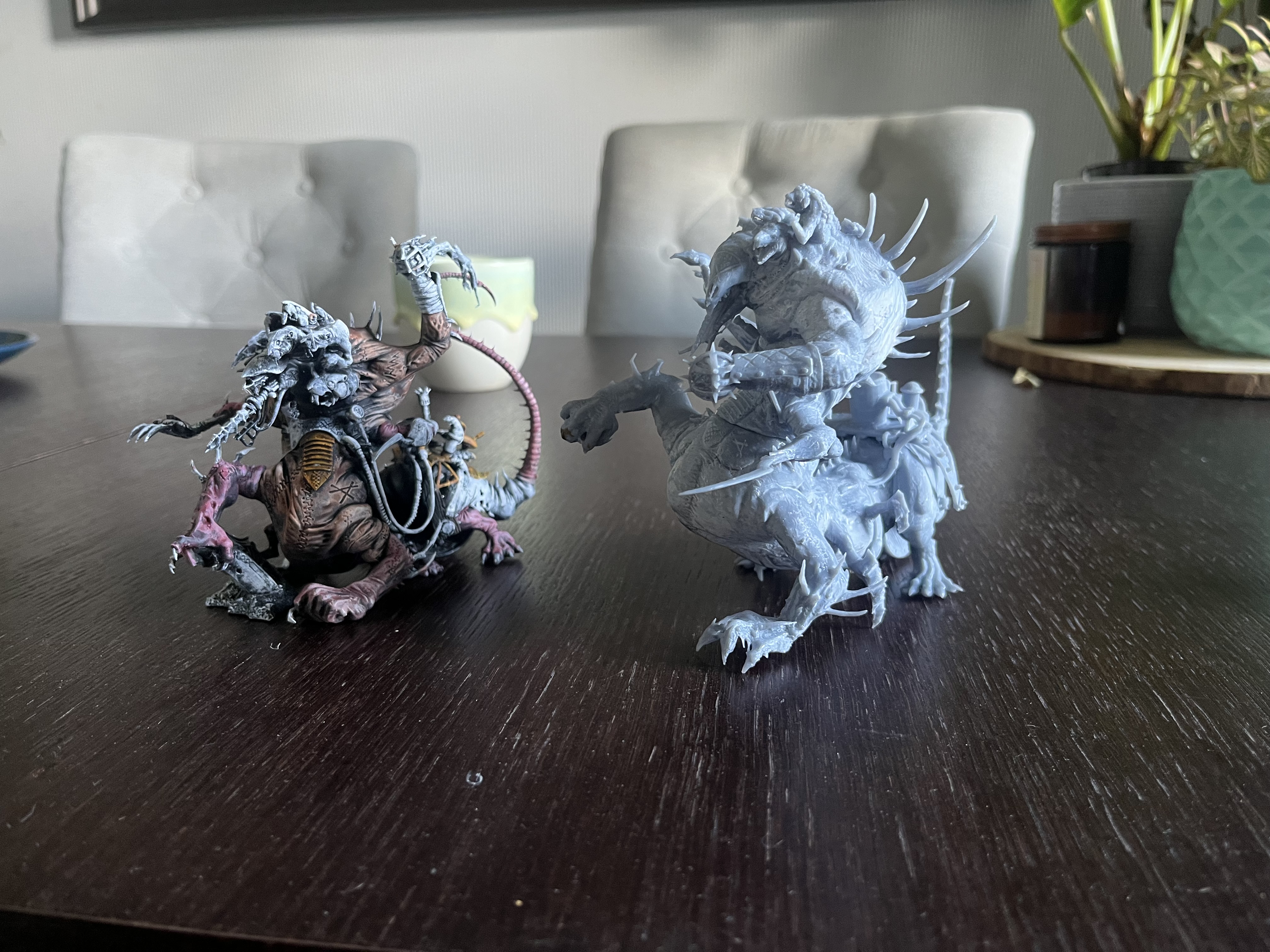
And honestly? We respect the response: something went wrong with the scale, but he plays it anyway.
That may be the most honest hobby energy possible. Sometimes the model is slightly too big. Sometimes the lore explanation is held together with warpstone fumes. Sometimes the line between printed and bought is blurrier than people would like. And sometimes a giant mutant rat simply has to go on the table because it looks too good not to.
That was the mood of this whole exchange: a bit of economics, a bit of hobby philosophy, and a lot of appreciation for the fact that Warhammer can go from corporate profit margins to “what if we made the rat bigger” in under ten minutes.
And really, that’s why we love it.