When Resin Finally Clicks: Better 3D Prints for Chaos Warriors
We love those hobby moments when something suddenly clicks. After a stretch of tweaking, testing, and probably more than a bit of muttering at the printer, Michał finally dialed in his settings, found a resin that works, and the difference was immediate.
In his own very scientific summary: the prints came out majestically awesome.
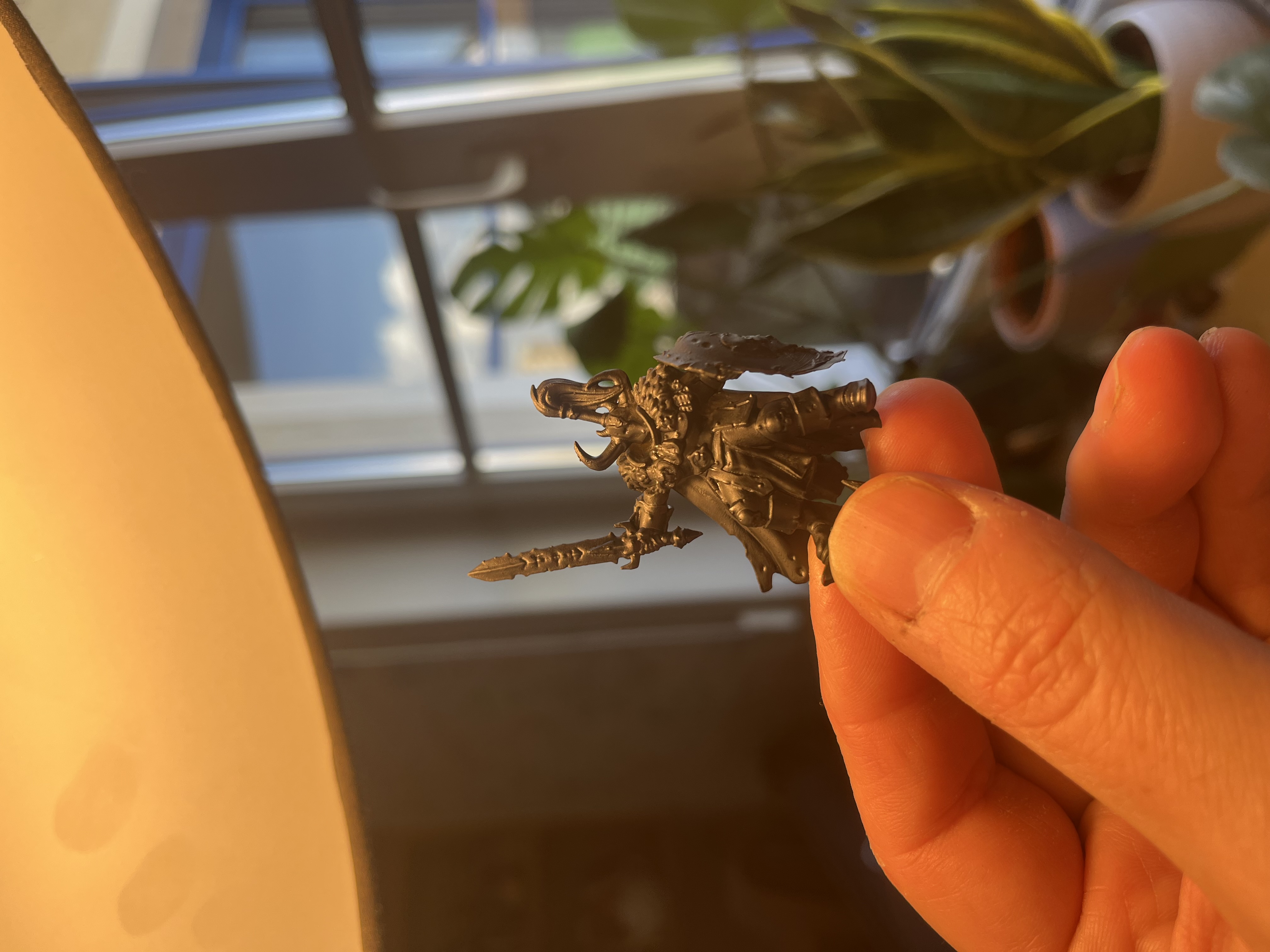
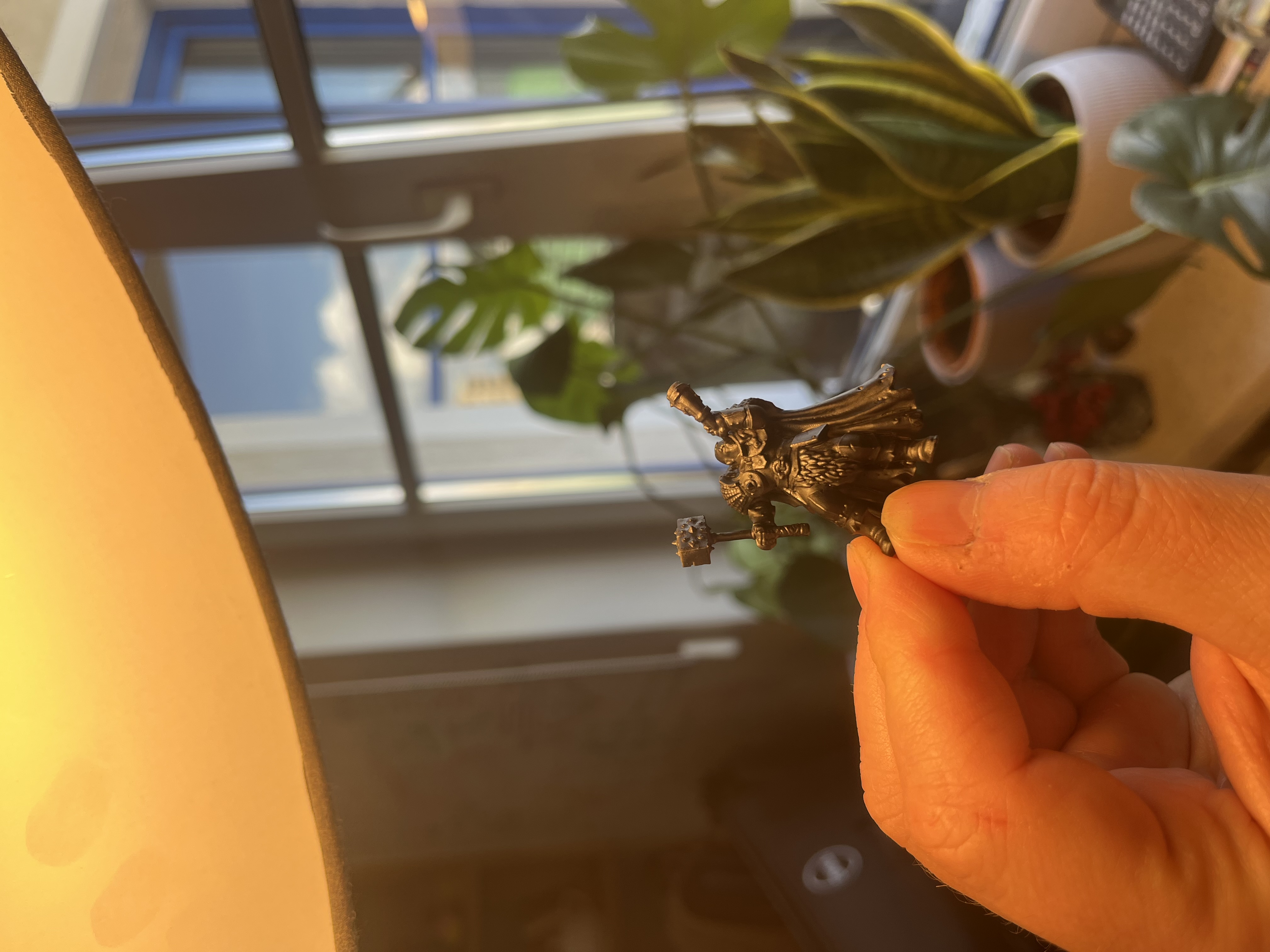
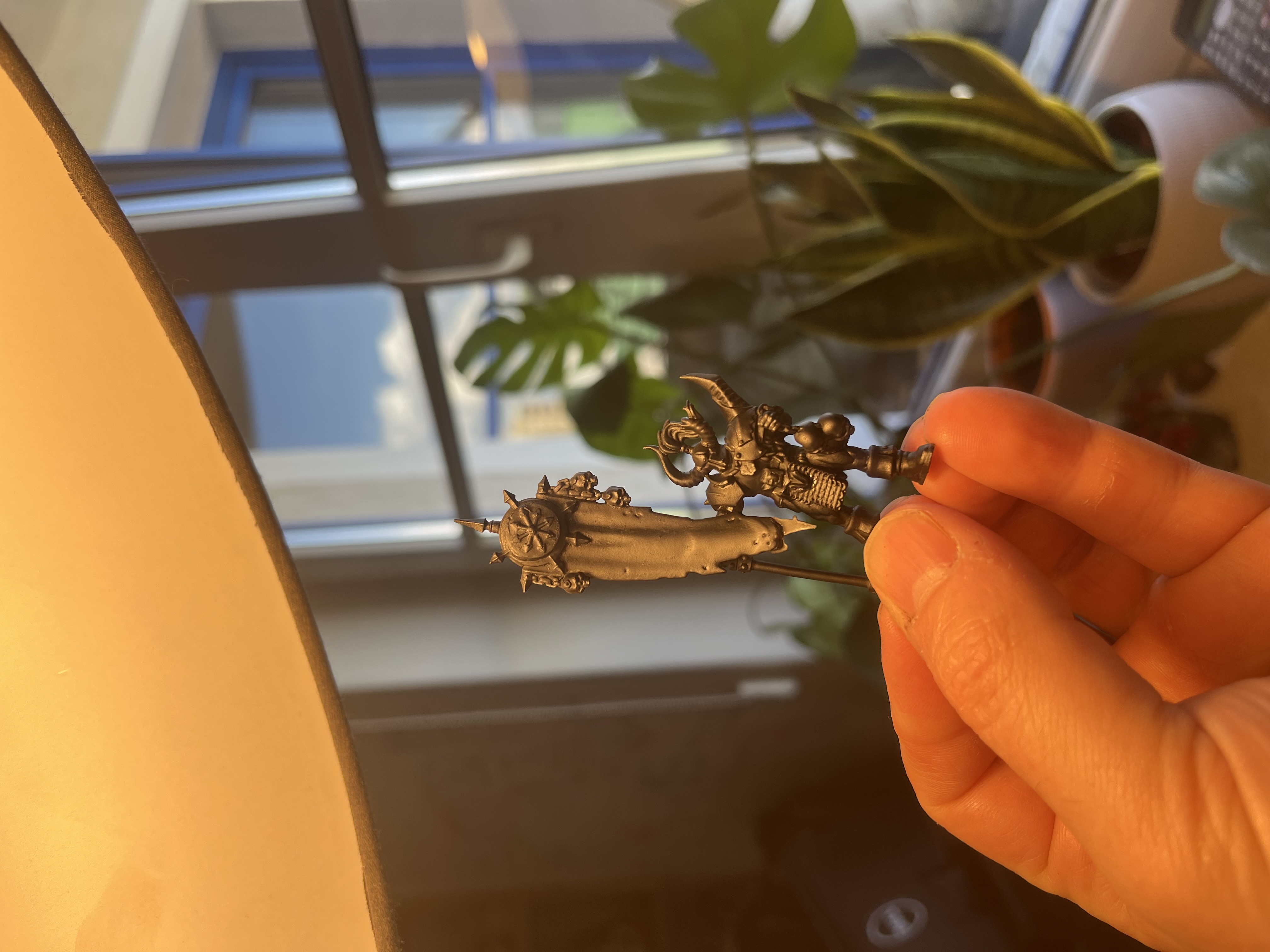
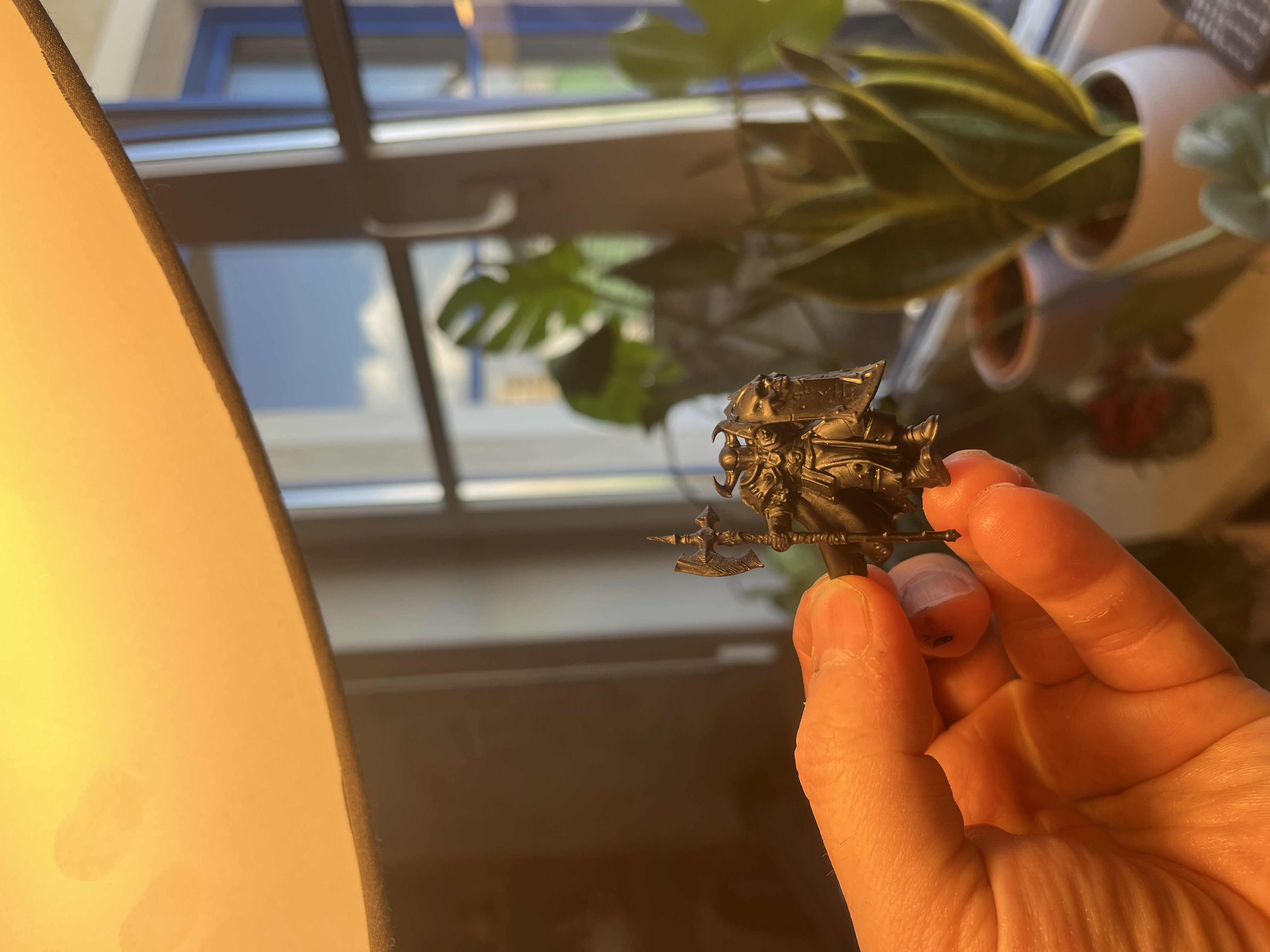
This time the test subjects were a set of Chaos Warriors: a champion, a musician, a standard bearer, and a regular warrior. And honestly? They look way better than before.
The big lesson: resin matters
The interesting part here is that it was not only about printer settings. As Michał pointed out, the settings were already being used on a Necromancer print from the previous day. The real eye-opener was the resin itself.
There is, apparently, a very visible difference between resin in the roughly 70 PLN range and resin around 120 PLN. That is exactly the kind of hobby lesson we like: annoying for the wallet, but useful for everyone else.
And because no hobby discovery is complete without immediately pushing it one step further, Michał has already ordered an even pricier resin at 190 PLN just to see what happens next. Ideally, of course, nothing dramatic happens and the 120 PLN option turns out to be the sweet spot.
The prints
Here is the crew that came off the printer:
Chaos Warrior Champion
Musician
Standard Bearer
Regular Warrior
Why we are posting this
Because this is exactly the kind of hobby tip that is easy to underestimate. When prints are disappointing, our first instinct is usually to blame exposure settings, supports, plate leveling, file prep, moon phases, and ancient curses. But sometimes the answer is much simpler: the resin is the bottleneck.
That does not automatically mean “buy the most expensive bottle available.” But it does mean that if you are stuck and your settings seem fine, trying a better resin can make a bigger difference than another evening of endless calibration.
Our takeaway
A few practical conclusions from this little breakthrough:
- getting the printer settings right still matters,
- but resin quality can dramatically change the final result,
- the jump from budget resin to mid-range resin can be very noticeable,
- and if your prints suddenly start looking much sharper, cleaner, and more satisfying, it might not be luck.
We are very curious to see whether the 190 PLN resin actually improves anything further, or whether this is one of those classic hobby cases where the mid-tier option is already the best value.
Either way, it is always fun when the answer to “what changed?” turns out to be something we can actually test.
If you have had a similar experience with resin printers, let us know what made the biggest difference for you: settings, resin, supports, or just sheer stubbornness.