First Steps into Malifaux: Cards Instead of Dice
We occasionally drift away from strict Warhammer talk and peek over the fence at other tabletop systems. This time, Staś sat down for an intro game of Malifaux with Konrad, and the first impression was immediate: this game does things very differently.
The biggest change? No dice. Instead, Malifaux uses a standard 52-card deck in four suits. That alone makes the whole experience feel different at the table. As Staś put it, things get especially interesting near the end of the round, when you’ve already seen a large part of the deck and can start guessing what is still likely to come up.
That creates a very different kind of tension than in dice-based games. Instead of pure swingy randomness, there is a growing sense of information and probability as the turn develops. We haven’t had time yet to dig into all the details, but even from that first game it was clear that this card-driven core is one of the system’s biggest hooks.
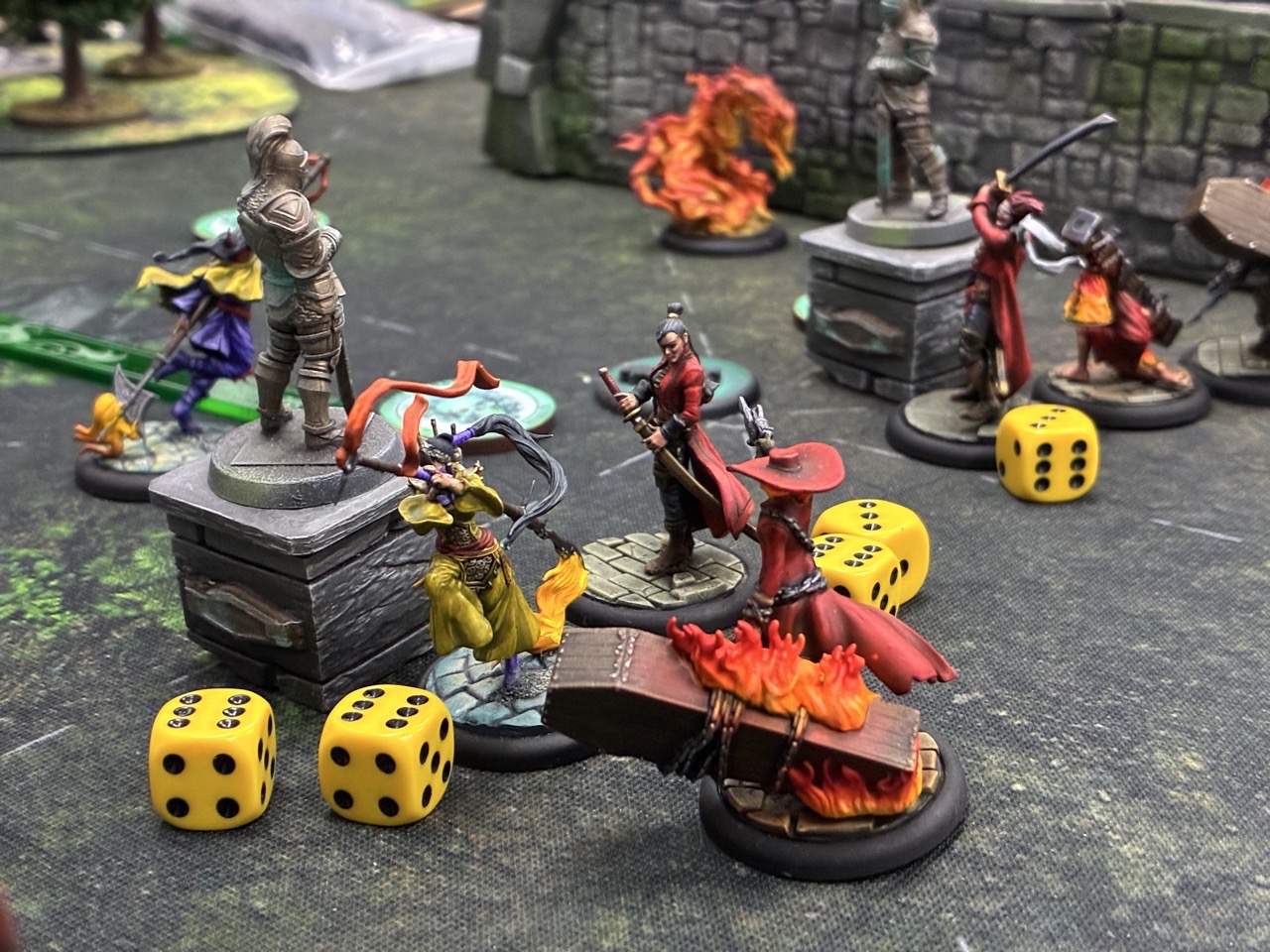
The session itself was still very much an introduction. Staś and Konrad played one round, but with the rules explanation, ongoing translation, and learning as they went, the whole thing took about two hours. That sounds completely fair for a first contact with a new system—especially one that seems to have its own vocabulary and rhythm.
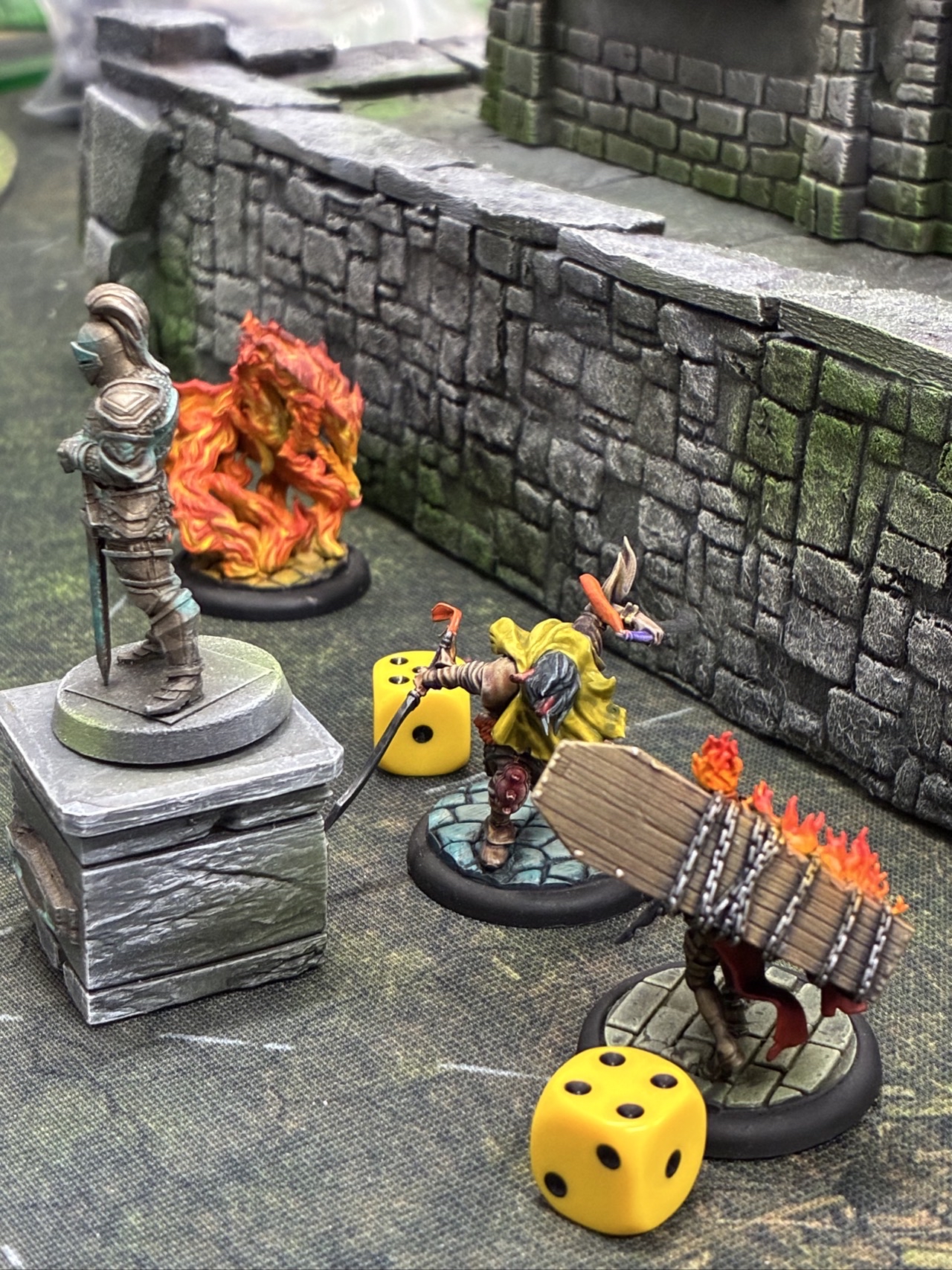
Another thing that caught Staś’s attention was that Malifaux apparently has quite a few ideas that feel reminiscent of The Other Half. He didn’t get into the full list right away, but it was enough to make us curious and start a broader discussion. Whenever a game makes us immediately want to compare mechanics and design ideas, that’s usually a good sign.
Of course, once a new system appears on the horizon, the natural question follows: are we about to replace one project with another? In this case, probably not. Staś was quick to point out that Malifaux is not really a substitute for the kind of campaign experience we were talking about elsewhere. In his words: it doesn’t have progression between games, it isn’t co-op, it has no dice, and it doesn’t have negative traits. So while it may be interesting, it scratches a different itch entirely.
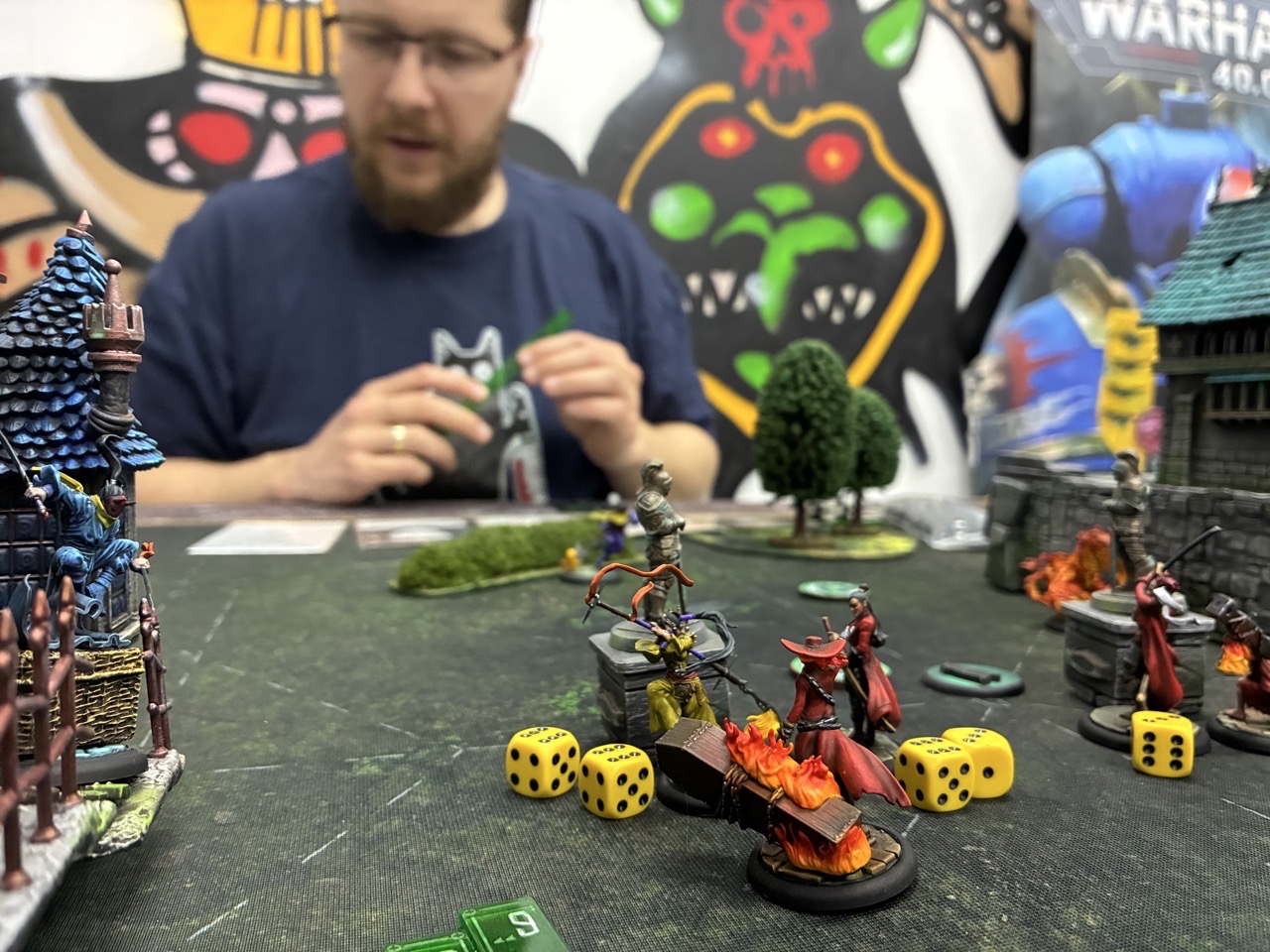
For now, this is very much a first impression post rather than a full review. But honestly, that’s part of the fun. A new game lands on the table, one unusual mechanic immediately stands out, and suddenly we have notes, comparisons, and fresh hobby chatter.
If Staś gets around to writing up those notes properly, we’ll happily come back to the subject. Because a skirmish game that replaces dice with cards and changes how you read randomness at the table? That’s definitely worth another look.