Paints, Washes, and Hobby Temptations
We had one of those very relatable hobby chats recently: a bit of list-building sticker shock, a bit of rules confusion, and then straight into the really important stuff — paints, brushes, and how to make painting go faster without feeling like we’re cheating ourselves out of the process.
It started with the kind of message that instantly sets the tone:
5,000 points is a lot.
And honestly… yes. It really is. Especially when we start wondering whether someone got there by stacking vehicles into the list, and whether the asking price would even make sense. Every Warhammer player knows that moment where a collection sounds huge on paper, but then you start mentally translating it into actual boxes, tanks, half-finished squads, and the inevitable “yeah, but how much of it do we actually want?”
But the real heart of this chat was painting.
New tools, new ideas
End3r dropped a photo of fresh hobby supplies, and that immediately triggered the familiar reaction: nice, shiny new paints, and suddenly we all want to reorganize our painting plans.
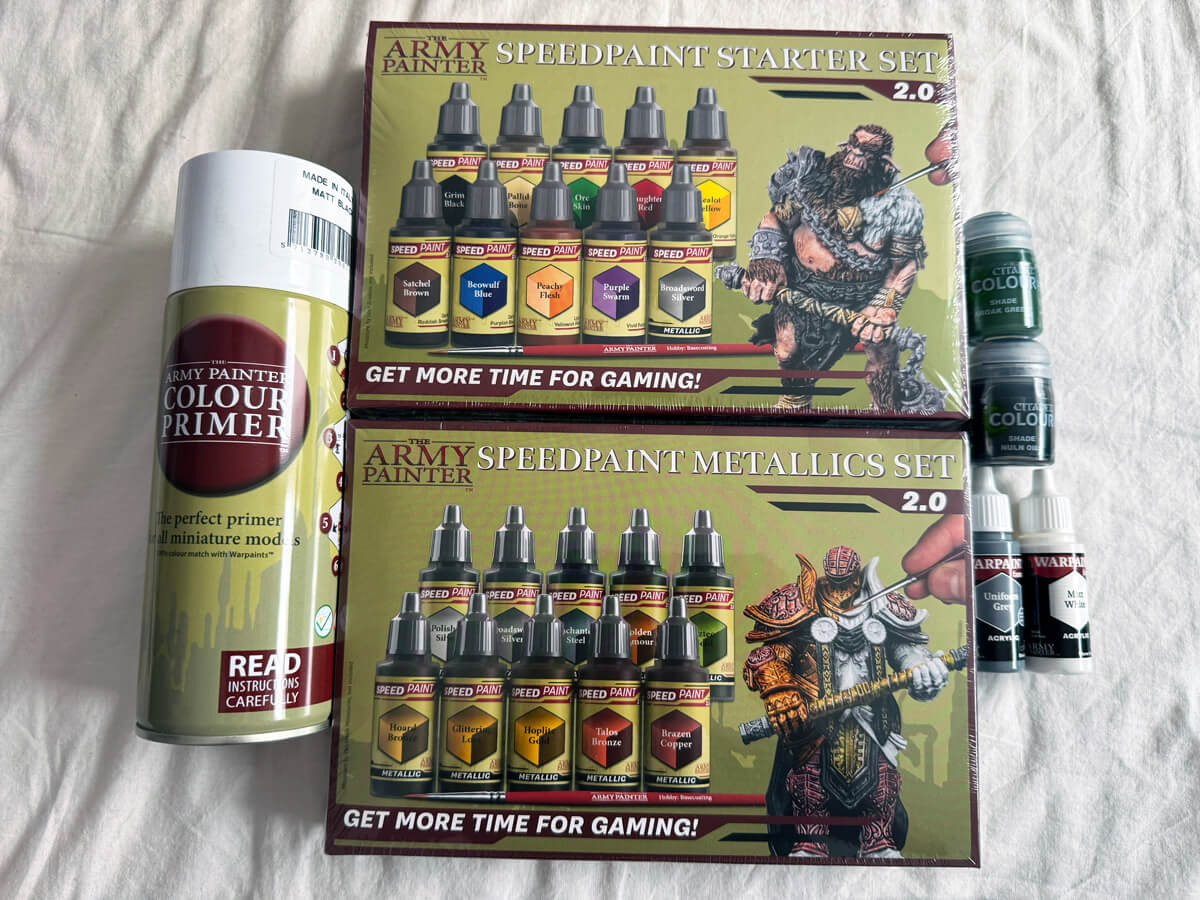
Alongside the paints, there was also mention of a Votann Combat Patrol and some brushes from Temu — which is exactly the kind of hobby shopping combo we respect. Sometimes the plan is carefully curated. Sometimes it’s “we need paints, and while we’re at it, let’s also grab a whole new project.” Both are valid.
Zenithal under opaque paints?
One of the more interesting questions that came up was about zenithal priming and drybrushing under opaque paints.
That’s one of those topics we suspect a lot of people wrestle with at some point. If we’re using solid, covering paints, does it even make sense to spend time on a zenithal or a value sketch first? Or are we just covering all that work anyway?
There isn’t a full grand conclusion in the chat, but it’s a great hobby question because it gets at how different we all approach painting. Some of us want every stage to do visible work in the final result. Others are happy if an early step just helps guide later layers, even if it ends up mostly hidden. Even under more opaque paints, having that map of light and shadow can still influence where we place highlights, where we thin things down more, and how confident we feel during the process.
And sometimes the honest answer is: it depends on the model, the paint range, and how much effort we want to put in before the “real” painting starts.
Maybe it’s time for speedpaints
Wilini mentioned planning to expand the arsenal with speedpaints after getting back from Spain, mostly out of curiosity and a desire to try painting in a way that’s not ultra time-consuming.
That feeling is incredibly familiar.
There comes a point in the hobby where we start asking ourselves whether we want to keep painting everything the slow, careful way — or whether we’d like to actually finish an army this century. Speedpaints, contrast-style paints, washes, and other shortcut-friendly tools are all part of that eternal balancing act between “I want this to look good” and “I would also like to paint more than three models per month.”
And to be clear: trying faster methods doesn’t mean giving up on quality. Usually it just means learning where to spend time, and where not to.
Progress: basecoats done, washes on, highlights left
The best part of the conversation was the hobby progress update. Wilini shared that more painting got done, the washes were on, and only the highlights were left.
That’s such a satisfying stage of a project. The messy middle is mostly behind us, the model has definition, the recesses are doing their job, and now it’s all about bringing it to life with the final touches.
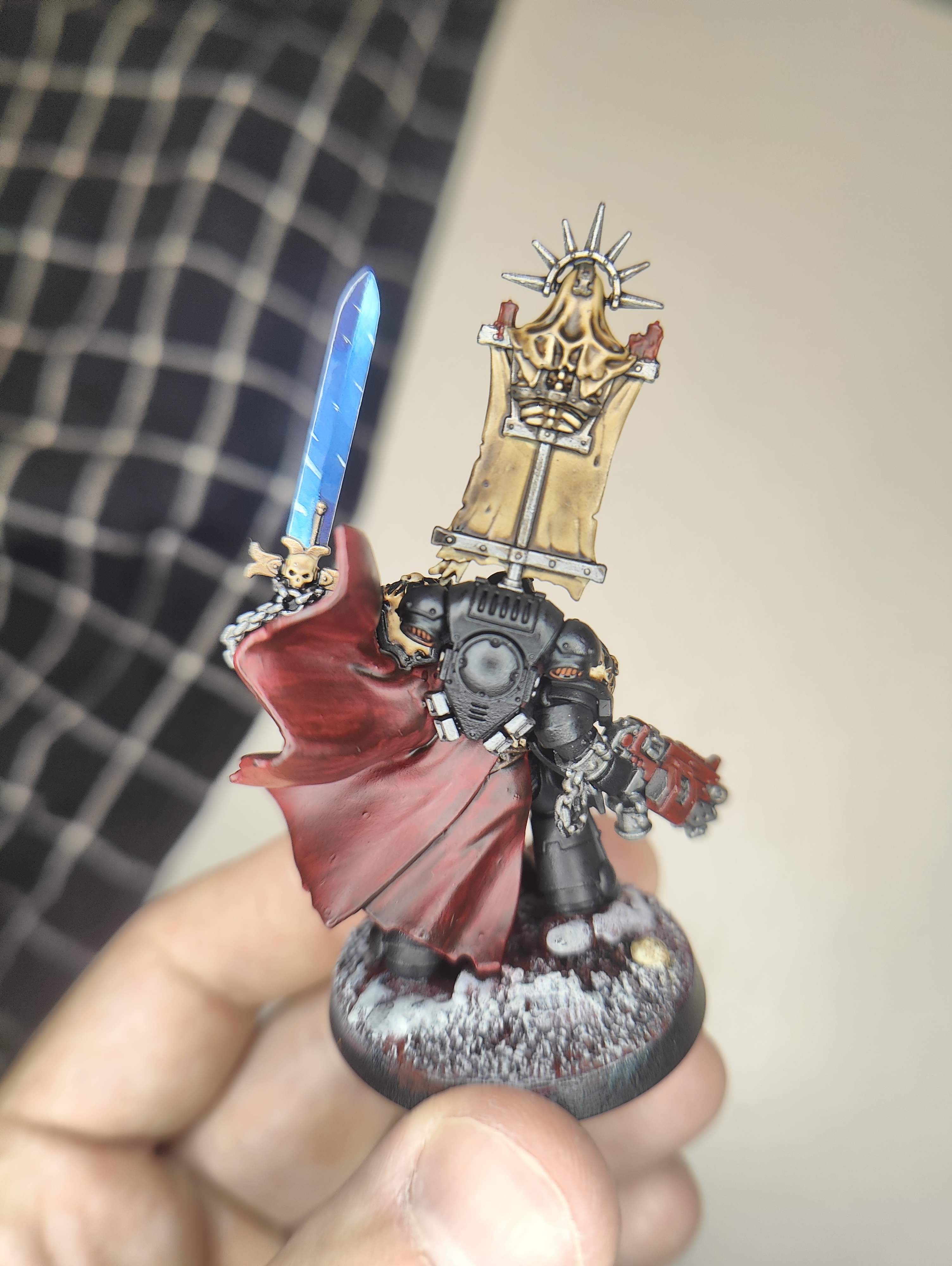
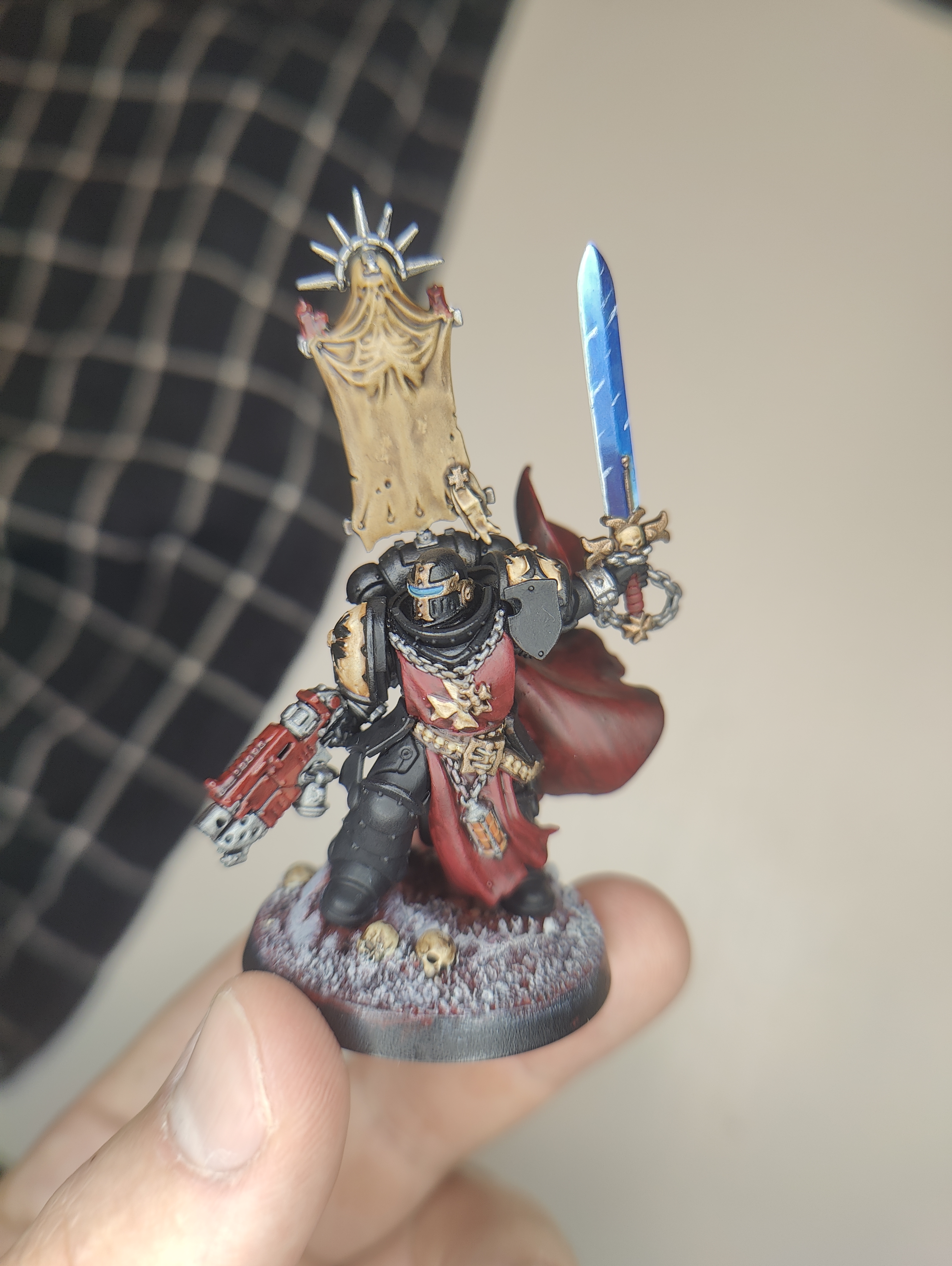
We always like seeing this stage because it’s where a unit starts crossing the line from “work in progress” into “actually becoming a finished miniature.” Highlights can be the most annoying part when motivation dips, but they’re also the bit that makes everything suddenly click.
Also: reading the rules properly helps
The conversation also briefly took a detour into rules interpretation, featuring a moment of realization about gaining tokens for each unit that dies — not just the opponent’s, but ours too.
That kind of discovery is peak Warhammer. We all have those moments where we’ve been playing something slightly wrong, then someone points at the actual wording and suddenly the whole mechanic makes more sense.
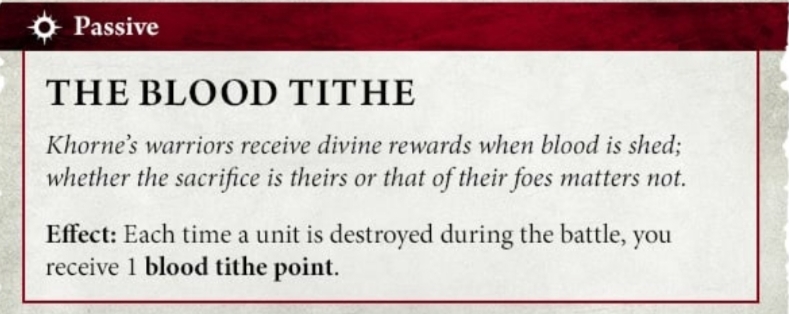
It’s part of the charm, honestly. Half the game is rolling dice, and the other half is collectively realizing what the rule actually said.
The hobby never really stands still
What we like about chats like this is that they capture the hobby exactly as it usually is: not as one big finished project, but as a constant flow of ideas, purchases, experiments, questions, and little bits of progress.
One person is eyeing a massive collection and wondering if the price is sane. Another is picking up paints and brushes. Someone else is rethinking their whole painting workflow. And somewhere in the middle of it, a model gets washed, highlighted, and slowly pushed toward the finish line.
That’s the good stuff.
If we end up seeing more speedpaint experiments, zenithal tests, or Votann progress soon, we’re absolutely here for it.