Paint Experiment Continues: Contrast vs Acrylics
We love this kind of hobby testing: same model, two different approaches, and a side-by-side comparison before the process is even finished.
This time, Stas put together a simple but very useful paint experiment. On the left: Contrast paints. On the right: regular acrylics. At this stage both sides have only one layer so far, which is important context — especially because the acrylic side doesn’t really have any shading yet. The only exception is the skin, which had already been painted the day before.
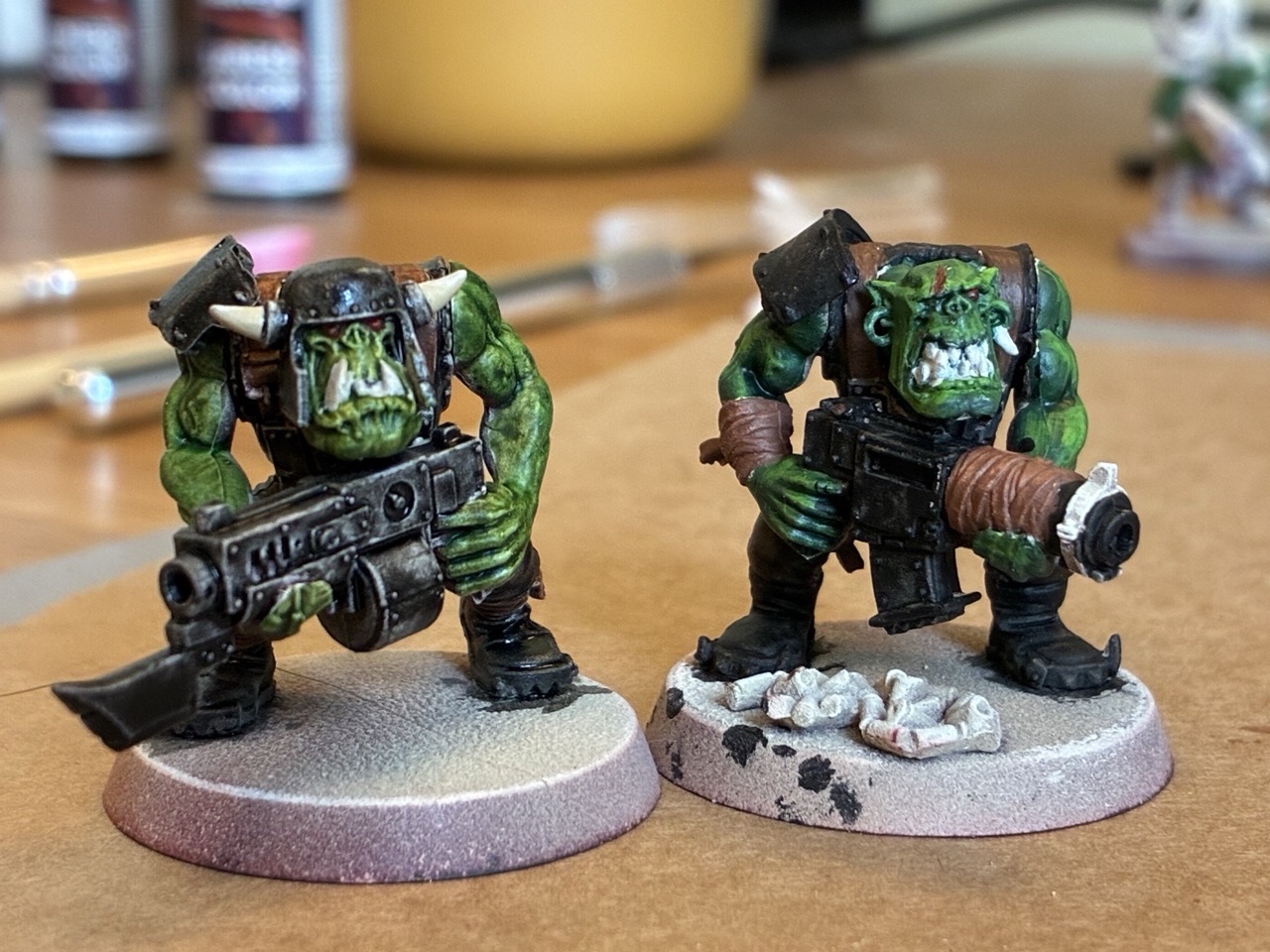
What we really like here is that this isn’t a “finished result” post pretending both methods are directly comparable from the start. It’s very much a work in progress, and that makes it more interesting. Right now the Contrast side is naturally doing more of the heavy lifting, while the acrylic side is still at that early flat-color stage.
The plan from here is straightforward:
- add shading to both versions,
- paint the metallics on both,
- and then finish the acrylic side with manual highlights.
That should make the comparison much more meaningful, because it’s only after those extra steps that we’ll really see the trade-off: speed and convenience on one side, versus control and sharper finish on the other.
We’re always fans of this kind of experiment, because it gets right to the practical hobby question: what do we actually gain from each method, and where does each one make the most sense? Contrast paints can get a model looking good very quickly, but traditional acrylics still have a lot to say once layering, shading, and highlights come into play.
For now, this is a great snapshot of the process mid-journey — and we’re definitely curious how the two sides will look once Stas adds the next stages.