A Simple Magnetising Upgrade That Made Life Much Easier
We love those hobby moments when one tiny upgrade suddenly makes the whole process smoother.
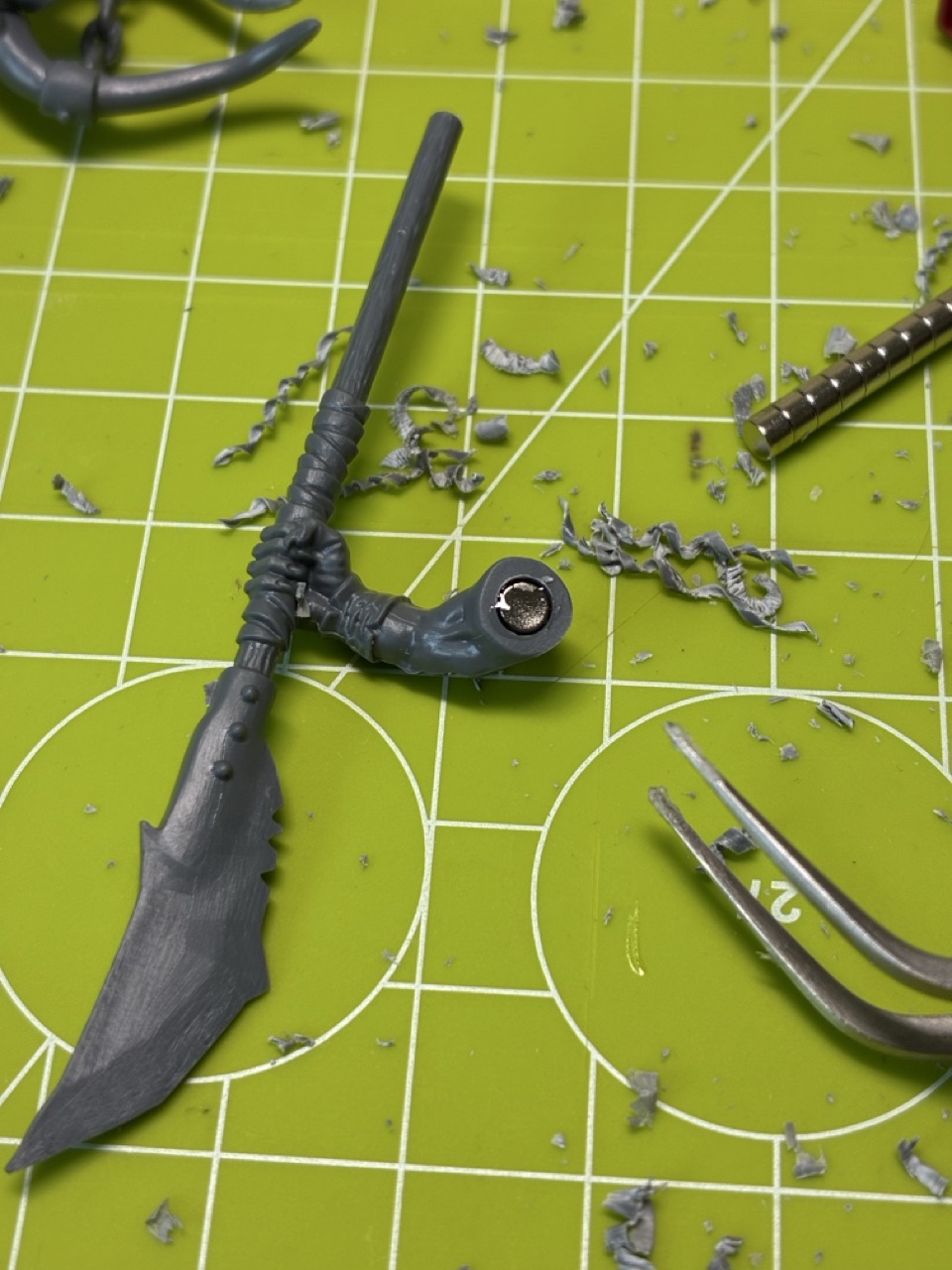
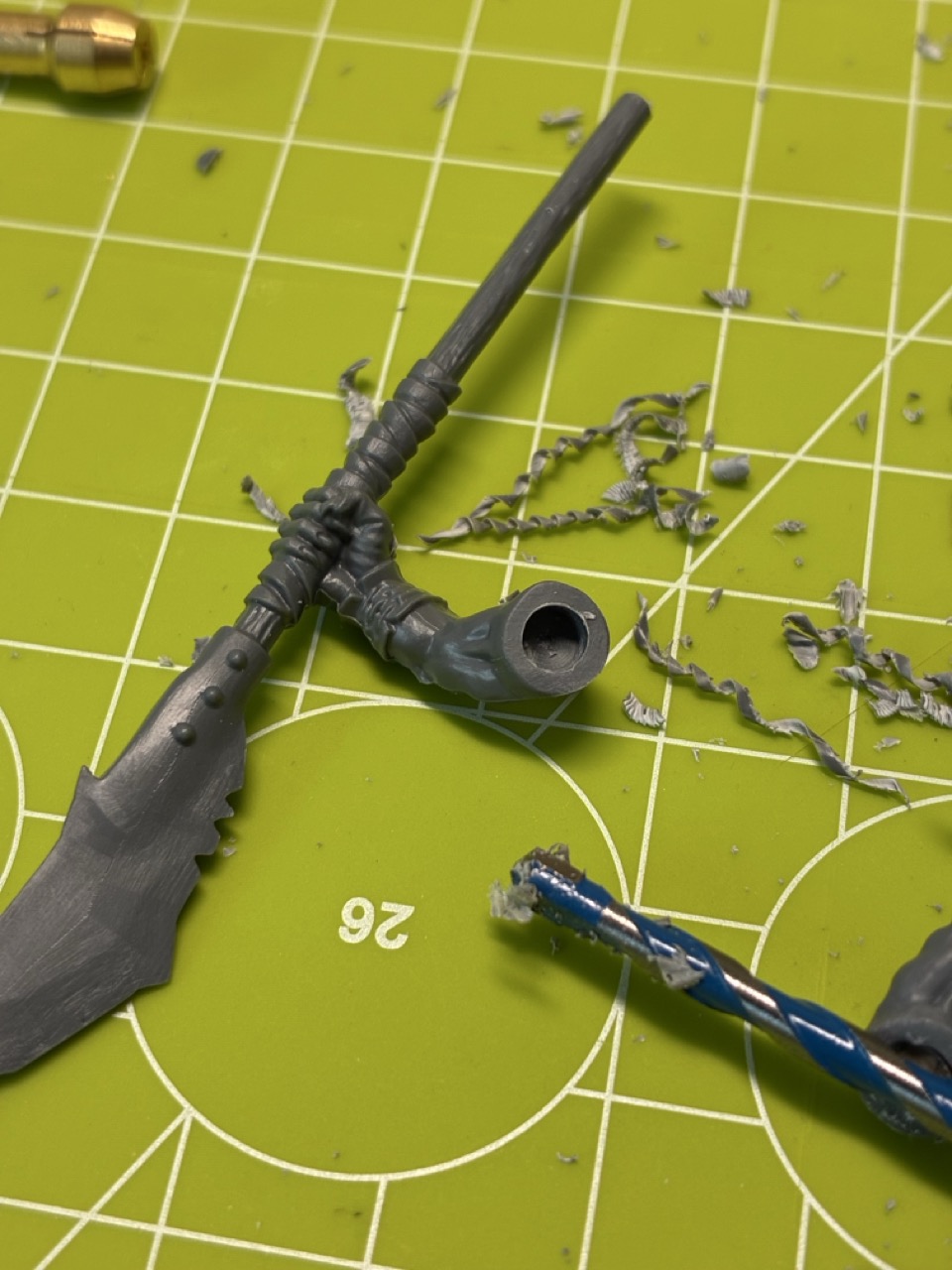
This time it was Stas and his model drill. He originally bought it for drilling out Space Ork gun barrels, but when magnetising a larger model he ran into a very practical problem: the biggest drill bit in the set was only 2 mm, while the magnets he wanted to use were 3x2 mm. That meant a lot of careful carving with a hobby knife just to make the holes wide enough.
Then came the extremely glamorous breakthrough: a regular 3 mm drill bit from Castorama.
And honestly? That changed everything.
The problem with “almost the right tool”
A 2 mm bit is great when you need a 2 mm hole. It is much less great when your magnet is 3 mm wide and you are trying to convince plastic to cooperate.
Before getting the proper bit, the process worked, but it was slower, messier, and much less precise. After switching to a normal 3 mm bit, drilling became simpler, cleaner, and way more accurate.
That sounds obvious, but it is exactly the kind of hobby lesson we tend to learn in practice: if you already know what size magnets you want to use, matching the drill bit to them saves a lot of effort.
What the magnets changed
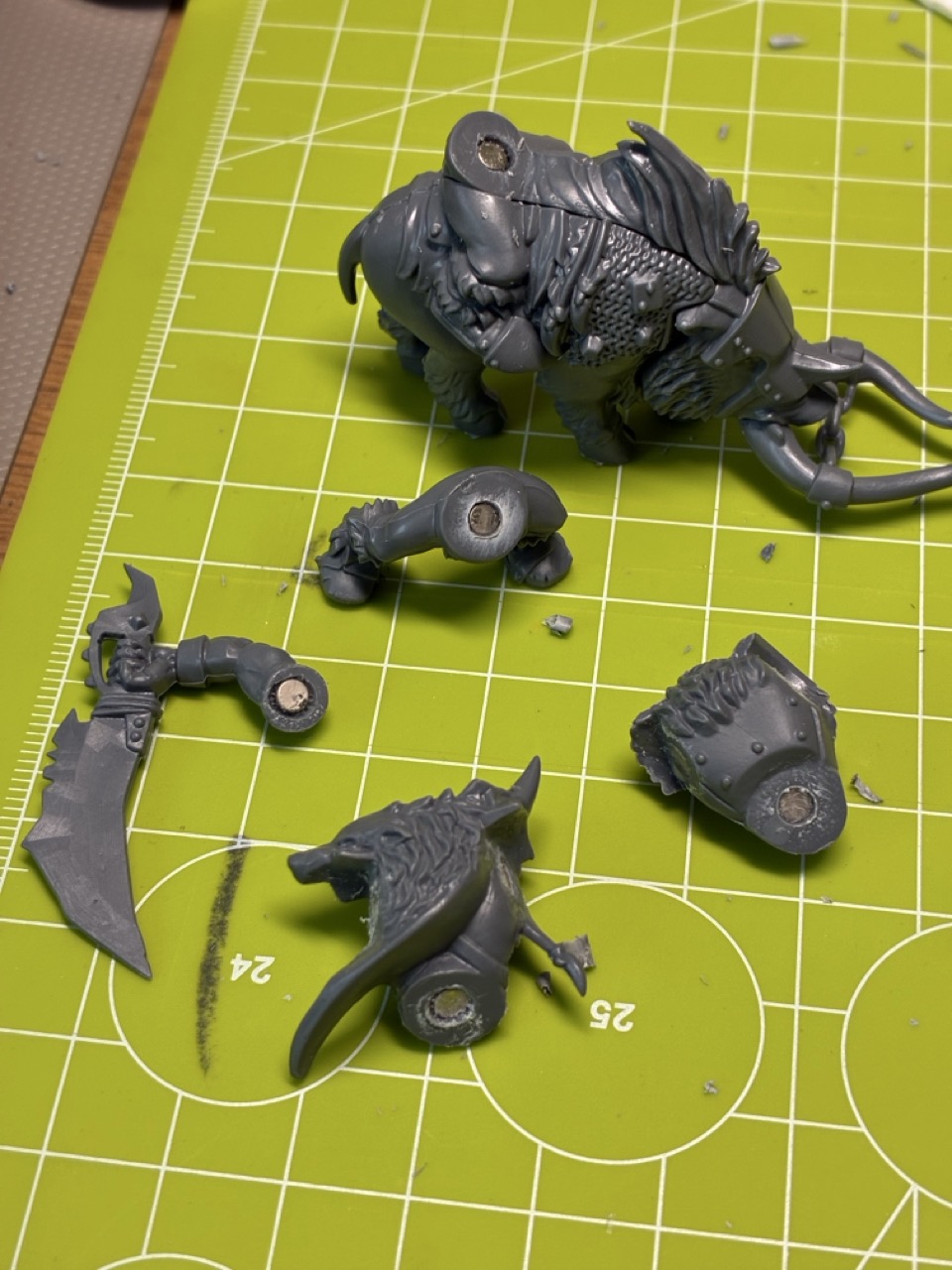
The result is properly modular assembly. Stas can now attach the torso either to legs or to a boar, and then swap weapons or an arm with a shield onto the torso as needed. The shield is still not glued on yet, so there is still room for more experimenting.
An extra bonus turned out to be poseability. Because the joints can rotate freely, the bosses can be set up in different poses depending on mood, build, or just what looks coolest on the table.
Why we like magnetising so much
This conversation quickly turned into the usual rabbit hole: if this works here, where else could we use it?
End3r immediately started thinking about interchangeable options for other models and units. In some games that is just a cool convenience, but in others it is genuinely useful during play. If the miniature visibly carries the correct weapon, you do not have to remember what is proxying what — you can just look at the model and know.
That is especially tempting for systems where equipment matters model by model. On the other hand, for smaller infantry, magnetising can get fiddly fast, and sometimes it really is easier to just agree that “this whole unit has spears”.
So as usual in the hobby: amazing idea, but with a practical limit somewhere around “how tiny are these dwarf arms, exactly?”
Bigger models might be the sweet spot
One particularly fun idea from the chat was using magnets on larger builds for transport. End3r mentioned a frigate with balloon sections attached by magnets instead of gluing the whole thing into one giant awkward shape. That sounds like exactly the kind of project that is a little more work upfront and then pays for itself every single time you need to move it.
Magnetising is not only about weapon swaps. Sometimes it is about making a model easier to paint, easier to store, and much less annoying to transport.
A few practical takeaways from this one
If we had to turn this whole exchange into a short hobby-tips list, it would be this:
- match the drill bit to the magnets whenever possible,
- a proper-sized hole is cleaner and more precise than widening it with a knife,
- larger models and bigger connection points are much friendlier for first magnetising attempts,
- modular parts can help both with painting and with gameplay clarity,
- and if a friend offers to lend you the drill, tiny magnets, and the glue that also glues fingers together, that is probably the correct way to start.
The end result
And here is the payoff: a model that can be reconfigured between different setups and posed in different ways without rebuilding it from scratch.
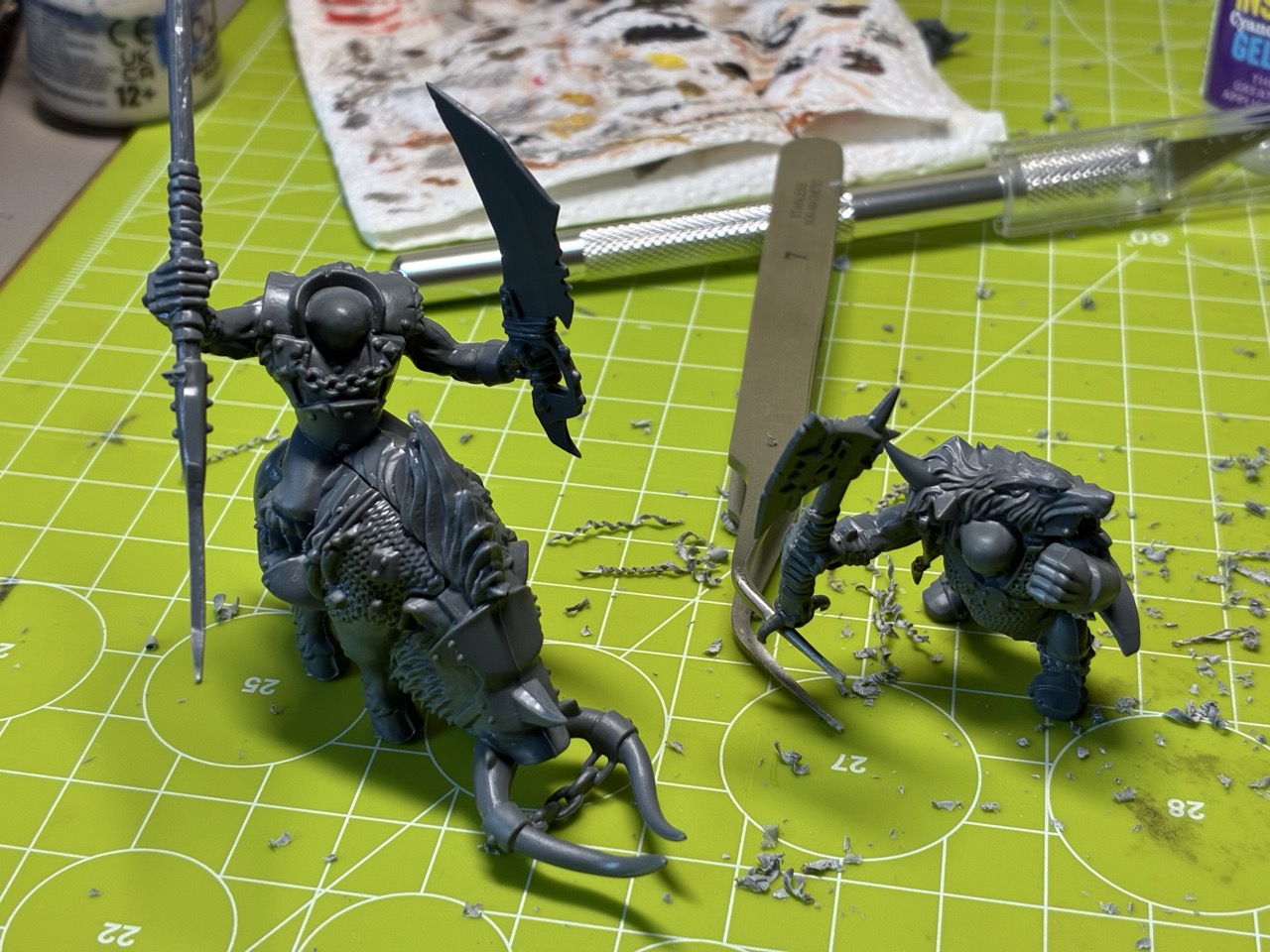
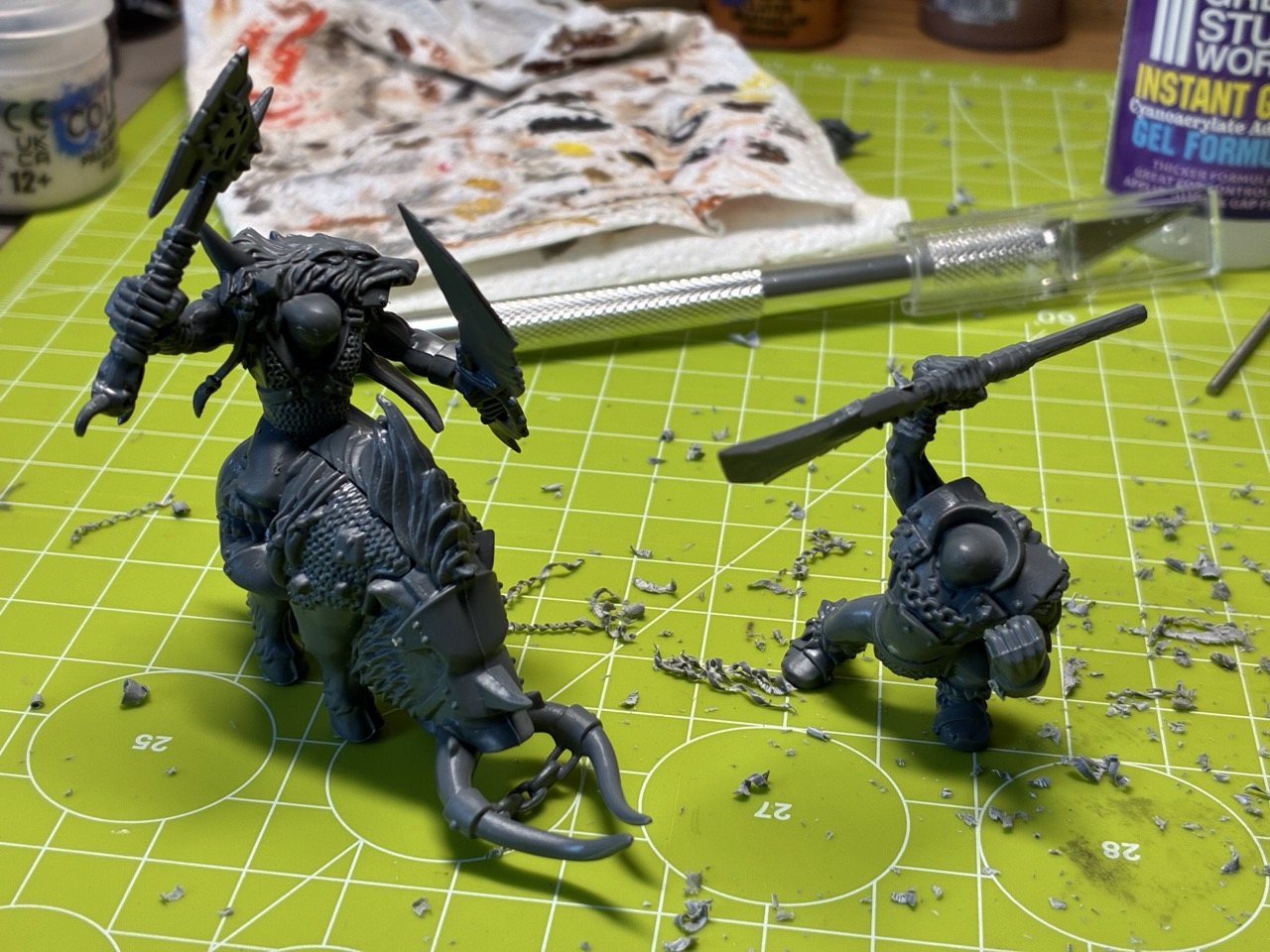
We are big fans of this kind of hobby solution. It is not flashy, it is not complicated, but it removes friction — and that usually means more building, more painting, and fewer moments of muttering at plastic.
If you have been thinking about trying magnets, this is probably your sign to test it on something chunky first.