Planning a 1500-Point Cathay vs Orcs Learning Game
Planning a 1500-Point Cathay vs Orcs Learning Game
We had a very familiar kind of hobby discussion recently: start with a simple idea, then immediately begin adding all the fun stuff we want to see on the table.
The plan that came together was a Cathay vs Orcs game, played in a team format, with the clear goal of learning as we go. That part is important, because it shaped the whole army-building conversation. We were not trying to squeeze out the most brutal lists possible — we wanted a game that would let us explore different unit types, see how the army pieces interact, and get a better feel for the system in practice.
The first question: 1000 or 1500?
At the start, the idea was straightforward: one game, Cathay against Orcs, at either 1000 or 1500 points.
Very quickly, the discussion turned into the classic points-level dilemma. Do we keep it tighter and faster at 1000, or do we stretch to 1500 and make room for the units that really give an army character?
In the end, we leaned toward 1500 points. The reasoning was hard to argue with:
- it gives us room for artillery,
- maybe something flying,
- cavalry,
- some proper cannon fodder,
- and larger units, which should make combat resolution more interesting.
That is honestly one of the nicest things about going a bit bigger in a learning game. At lower points values, lists can feel very compressed — you take the essentials, maybe one interesting toy, and suddenly you are out of room. At 1500, an army starts to feel more like an army.
Can we fit it into one session?
Of course, the immediate practical question was whether 1500 points would fit into four hours.
That is always the real army-building constraint, isn’t it? Not just points, but time, energy, and how much rule-checking we expect to do while learning. Since this is meant to be a team game with people figuring things out during play, the concern was very reasonable.
Still, we decided it was worth trying. If the goal is to learn, having a broader spread of unit types on the table may actually make the game more valuable, even if it means we need to stay a bit disciplined with setup and play.
Building lists for a teaching game
One of the most fun parts of the conversation was that the list-building itself became part of the shared event. Rather than treating army lists as something secret and locked away until game day, the idea was to pull more people into the planning.
That feels very on-brand for our group. When we are learning a system, talking through list choices together is often half the fun. Why take this unit? What role does it actually fill? Is it worth squeezing in artillery, or does that weaken the rest of the army too much? Those questions are useful before the game, not just during it.
There was also one very relatable moment on the list-building front: the brief panic of “I don’t think I can fit artillery in”, followed shortly afterwards by “okay, I think I can manage it.”
That is basically the essence of army-building.
Lancers spotted
We also got a small preview from Michał: Oddział Lancerów.
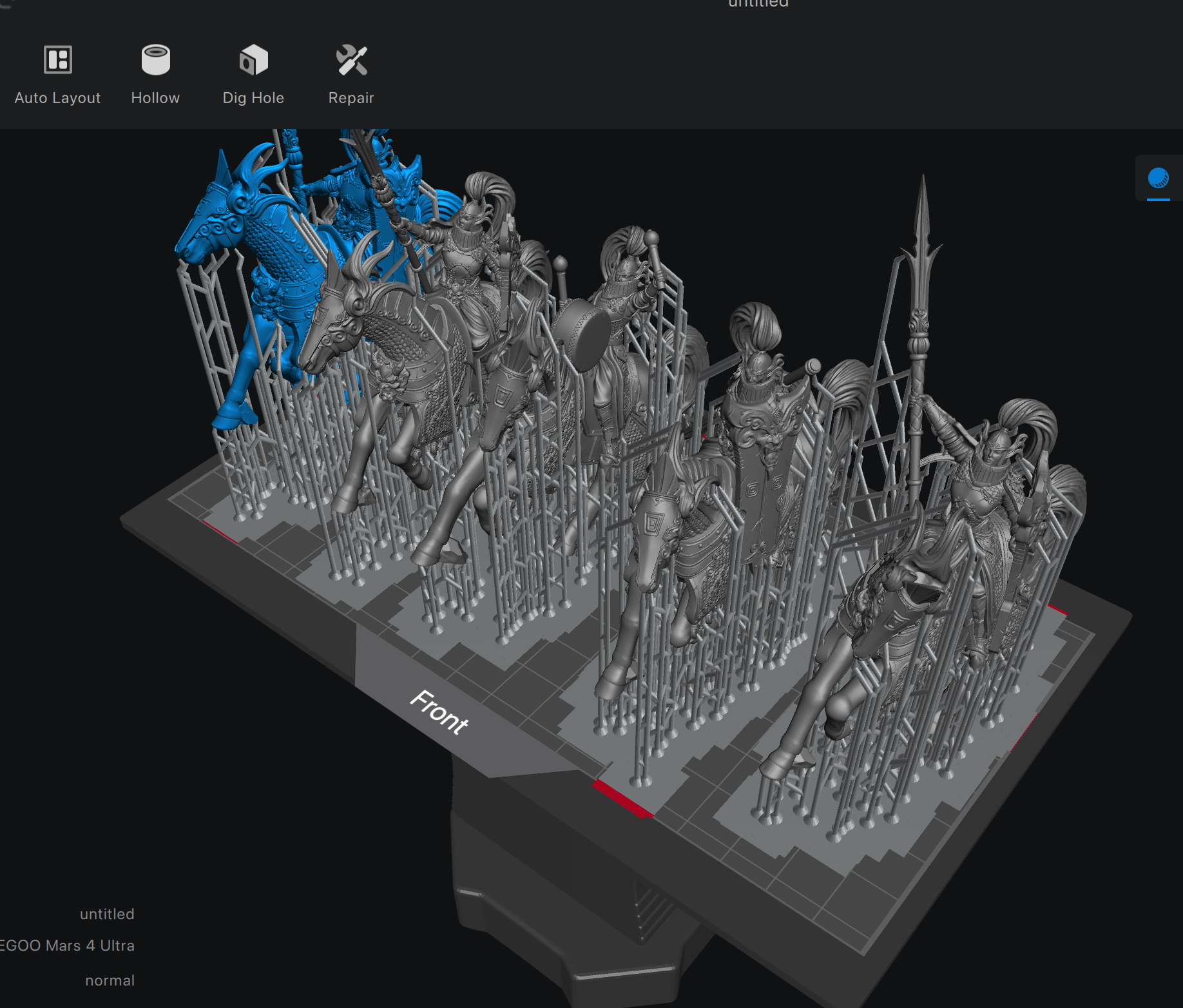
Even a single unit tease like that immediately helps make the upcoming game feel real. Once specific units start appearing in the chat, the planning phase stops being abstract points math and starts becoming an actual battle in our heads.
What we want from this game
What we like most about this setup is that it is not just about playing a match. It is about building a game that teaches us something:
- how much variety we can comfortably fit at 1500 points,
- whether that size works well for a team learning game,
- and how different battlefield roles start to matter once the lists have enough breathing room.
A Cathay vs Orcs game at this level sounds like exactly the right kind of test. There should be enough space for personality in both armies, enough bodies on the table for combats to matter, and enough moving parts that we will probably come away with a better sense of what we want to build next.
Now the only remaining question is the classic one: who is playing with whom?
And, of course, by when do we exchange lists?