A Tiny Bretonnian Warband and Big Campaign Ideas
We had one of those very dangerous hobby conversations recently: someone drops a cute little army concept into chat, and five minutes later we are already imagining a whole narrative campaign around it.
Stas shared a small Bretonnian warband concept and, honestly, it immediately clicked with us.
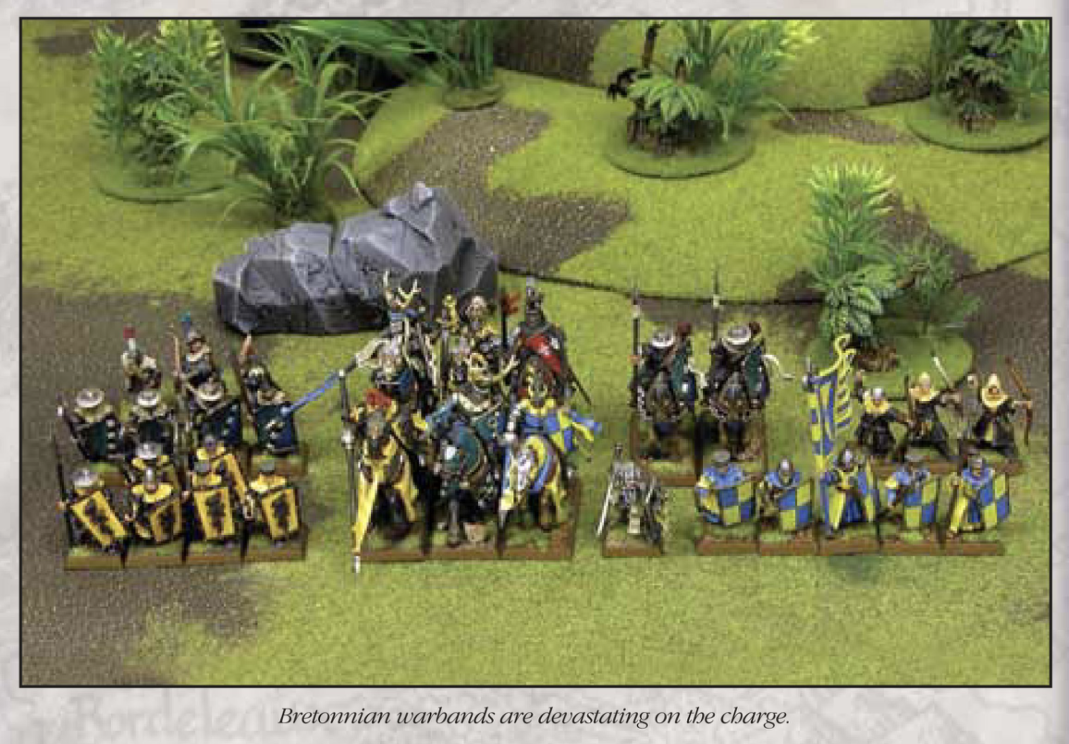
The first thing that stood out was how good it looks as a compact, themed force. Not just visually, but also as an idea for playing smaller games in a more characterful way. Stas pointed out that most of the rules in this format seem to revolve around modifying specific army-building rules, so naturally there is a question mark over how current they really are. That said, our first reaction was still very positive.
This is exactly the kind of thing we would love to sit down with together: go through the list-building tweaks, compare them to the current rules, and judge whether they still feel balanced on the table. Not in a hyper-competitive sense, but in the most important sense for this kind of project: would it be fun, thematic, and fair enough to build a campaign around?
A few details especially caught our attention.
Small games, big stories
One rule Stas really liked was the idea that in games up to 200 points, your general can be just a unit champion rather than a full hero. And honestly, that is such a good narrative hook.
Instead of starting with a fully formed lord or knight of great renown, we get the beginning of a story. A local champion. A young noble. A veteran who has not yet earned a bigger place in the chronicles. In other words: we watch a hero being born in front of us.
That kind of progression is exactly what makes small-scale campaign play so appealing. The army list is not just a technical document anymore — it becomes a snapshot of a story at its earliest stage.
Curious about the new rules interactions
Stas was also curious how some of the newer mechanics would actually perform in this setup, especially things like double fighting rank. That is the kind of rule that can feel very different once you shrink the game down and start removing some of the usual support structure around larger armies.
At the same time, some rules may naturally matter less here. Stas mentioned Horde and Warband as examples — in a format this small, their impact is probably reduced anyway, and we are already seeing some of that in Foray style games.
That is part of what makes this format interesting to us. It is not just “The Old World, but fewer points.” Once you get down to very small forces, the relative importance of rules starts to shift. Some mechanics become central, others fade into the background, and suddenly unit champions, positioning, and a couple of key combats can define the whole game.
This really wants to be a campaign
Michał summed up the group mood perfectly: he said he would love to play a narrative campaign like this.
Same.
Because that is really where our heads went immediately. Not just one-off skirmishes, but a linked series of games where that tiny Bretonnian force grows over time. A champion becomes a proper hero. Retainers earn names. Casualties matter. Victories actually change what the warband looks like next game.
And Bretonnia feels especially good for this kind of arc. A small band of followers setting out under an unproven leader is such a natural starting point for a story-driven campaign.
What we would want to check first
Before diving in, the sensible next step would be to review the actual army-building modifications together and answer a few basic questions:
- Do they still make sense with the current state of the rules?
- Do any combinations look obviously too strong or too awkward at very low points?
- Do the newer mechanics create interesting decisions, or just weird edge cases?
- Most importantly: does the format encourage the kind of campaign storytelling we want?
Right now, our first impression is simple: we like it. The concept feels charming, flavorful, and full of campaign potential.
Sometimes that is all it takes to get the hobby brain going — one small Bretonnian warband, and suddenly we are already planning stories for models that are not even on the table yet.