Army Building Rabbit Hole: Bound Spells, Wizards, and a Bit of Rules Lawyering
Sometimes army-building means arguing about one sentence
This one started exactly the way a lot of our list-building discussions start: someone drops a couple of screenshots, says “I think so”, immediately follows it with “hmm, maybe not”, and then we all end up waist-deep in rule wording.
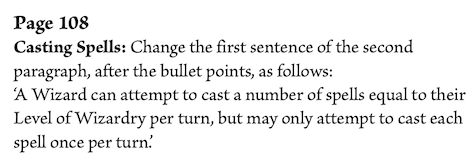
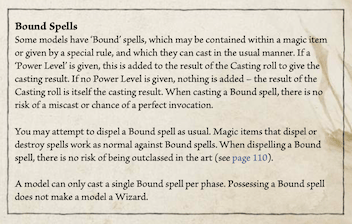
In this case, Stas brought in two rules snippets and we started digging into a very specific magic question: can a model cast a bound spell and also cast normally as a wizard, effectively doing it twice in the same phase?
The argument in a nutshell
Stas dug around a bit and found people claiming on Reddit that in 6th edition and 8th edition this kind of double-dip was possible. That immediately made the discussion more interesting, because once there is historical precedent in Warhammer rules, even a weird interaction starts to feel at least plausible.
Michał’s first instinct was that the item is what acts first, not the wizard. In that reading, the bound spell is tied to the object rather than functioning as the model’s own spellcasting action.
But then Stas pointed at the wording in the boxed rule: “a model can only cast a single bound spell”. And that is where the whole thing got juicy, because if the rule says the model casts it, then it becomes much easier to argue that a bound spell and a wizardly spell are separate things rather than one shared casting limit.
At that point we all recognized that this was drifting into proper hobby-grade rules apothecary. The kind of discussion where everyone knows it is a bit nitpicky, but also nobody wants to let go because it actually matters when you are building a list.
Why we think the permissive interpretation makes sense
The conclusion we leaned toward was simple: letting a model cast a bound spell and also cast as a wizard makes sense.
The reasoning was less about gaming the rules and more about how these effects behave:
- bound spells come from an item or special rule interaction,
- wizardly casting is the model’s normal magical ability,
- and, crucially, they do not carry the same risk profile.
As Stas put it, bound casting does not bring the same miscast risk that normal wizard casting does. So from a gameplay perspective these feel like two different magical events, not one duplicated action.
That distinction matters a lot in army building. If those are truly separate events, then an item with a bound spell is not just a cute extra trick — it becomes a meaningful way to increase magical pressure, utility, or threat projection in a list.
Why this matters for army building
This is exactly the sort of rules interaction that changes how we look at equipment and character loadouts.
A bound spell item can go from:
- “nice, but probably too cute”
- to
- “actually, this gives us another meaningful piece in the magic phase”
And that has a direct effect on list construction. Suddenly we start asking:
- Is this item worth the points if it effectively adds another magical action?
- Does it let us squeeze more value out of a support wizard?
- Can it force an opponent into awkward dispel choices?
- Does it make a combat character with a bound effect more flexible than we first assumed?
Those are the fun little hinges that entire lists swing on.
Our current takeaway
We are not pretending this was some grand final court ruling on Warhammer magic. This was very much one of those friend-group debates where we read a sentence five times, compare old-edition precedent, and then settle on the interpretation that feels both defensible and sensible.
Our current lean is:
yes, a model can cast a bound spell and also cast normally as a wizard, because those look like separate magical events with different constraints and risks.
Michał, to his credit, was also very happy with that interpretation once we got there.
And honestly, that is half the joy of army building in Warhammer. Sometimes the biggest excitement is not a new unit or a freshly painted banner. Sometimes it is discovering that one odd little item might actually do more work than we thought.
If nothing else, this was a very relatable reminder that list-building is never just points and profiles. Sometimes it is also screenshots, old-edition archaeology, and a healthy amount of “this may be aptekarstwo, but hear us out.”