Bretonnia vs Khorne in the first neighbourhood Cinquecento: peasants stole the show
We got the first proper battle report from the first round of our first neighbourhood Cinquecento, and honestly, it had everything we want from Warhammer: The Old World: panic, failed charges, peasants overperforming way above their pay grade, dogs being an absolute menace, and a very respectable draw at the end.
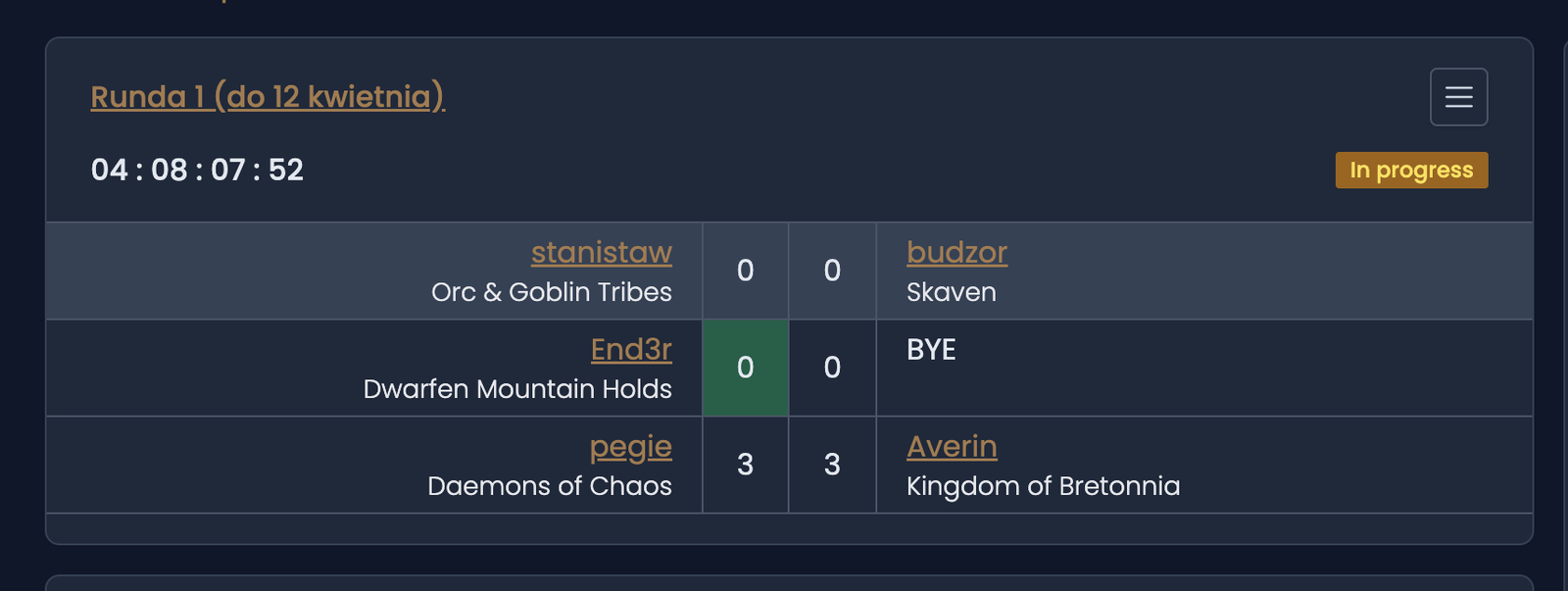
This one was Bretonnia vs Khorne Daemons, played by Wilini and Pegie, with Michał live-reporting the carnage to the rest of us in real time. Final score?
A dead-even 3:3 (70:70).
And yes, it was as funny as it sounds.
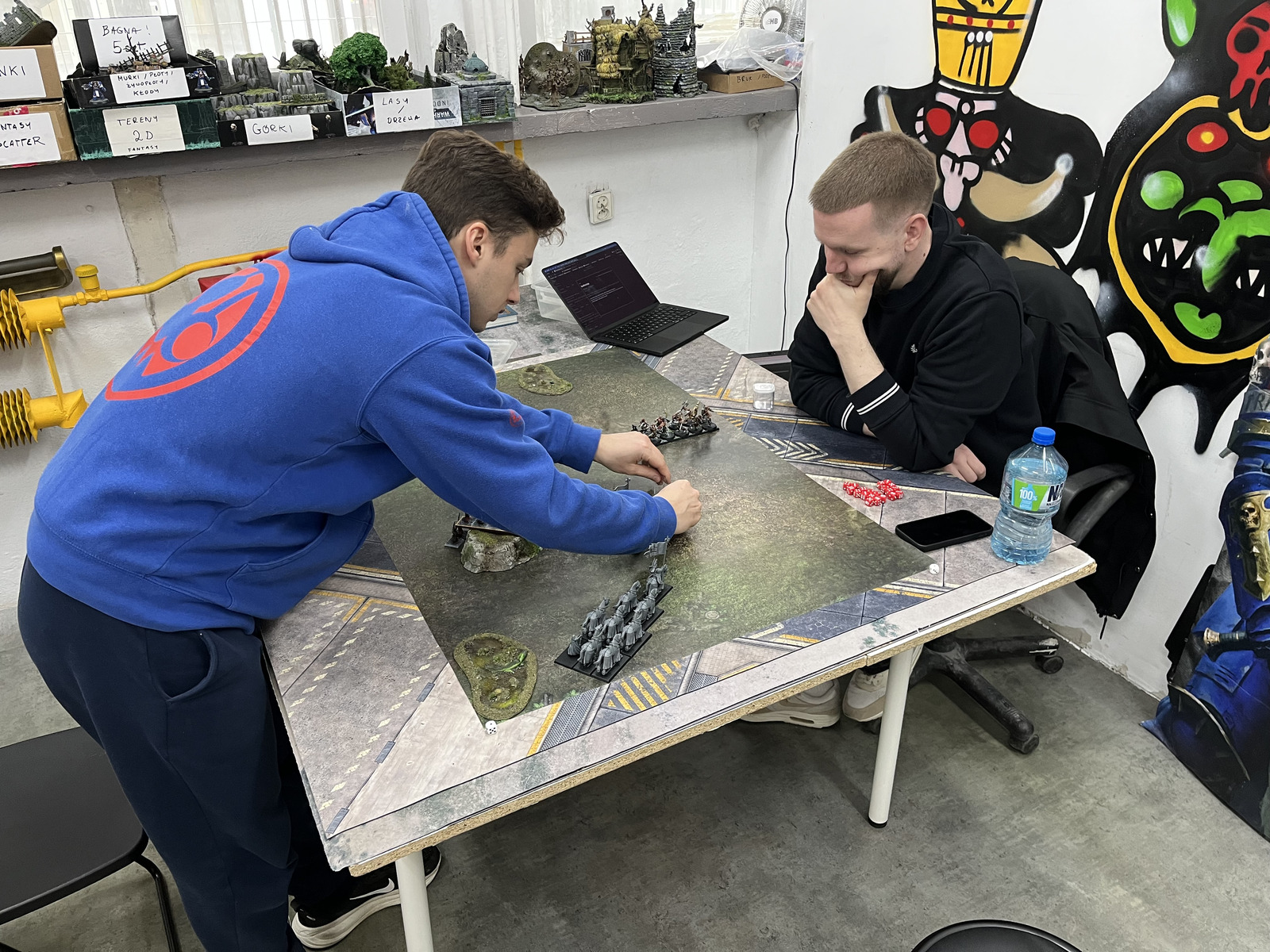
Right from the start, the game had that perfect Old World energy: plans existed, but the dice had their own ideas. By the middle of turn two, three Chaos Furries were already gone — one shot down by peasants, two more dragged down in combat by, again, peasants. That alone tells you what kind of game this was.
The Bretonnian knights, meanwhile, had a much less glorious opening. Faced with Fear, they very much did not cover themselves in honour. As reported from the table: they basically soiled their armour before the charge and sent the peasants in first.
Which, to be fair, briefly worked.
Michał summed up the early game beautifully: the Chaos Furries were on course to simply stop existing, swept away by a wall of angry commoners.
Of course, because this is The Old World, momentum never lasts for long. The peasants eventually fled, then managed to rally in the following turn… only to get run down by the Flesh Hounds anyway. A tragic but very on-brand peasant story.
The knights did not exactly redeem themselves immediately either. They failed their nerve again, changed charge targets, and instead tried to go after the dogs. That whole section of the game sounds like one long sequence of Bretonnian frustration and daemon laughter.
Then came one of our favourite moments of the match: the Bloodletters cautiously backing away by a couple of inches instead of throwing themselves forward. It was such a weirdly sensible daemon move that it instantly became comedy material in chat.
Pegie described it perfectly: “And there we go, 2.5 inches backwards.” Not blood-mad berserkers, just sensible red lads making a risk assessment.
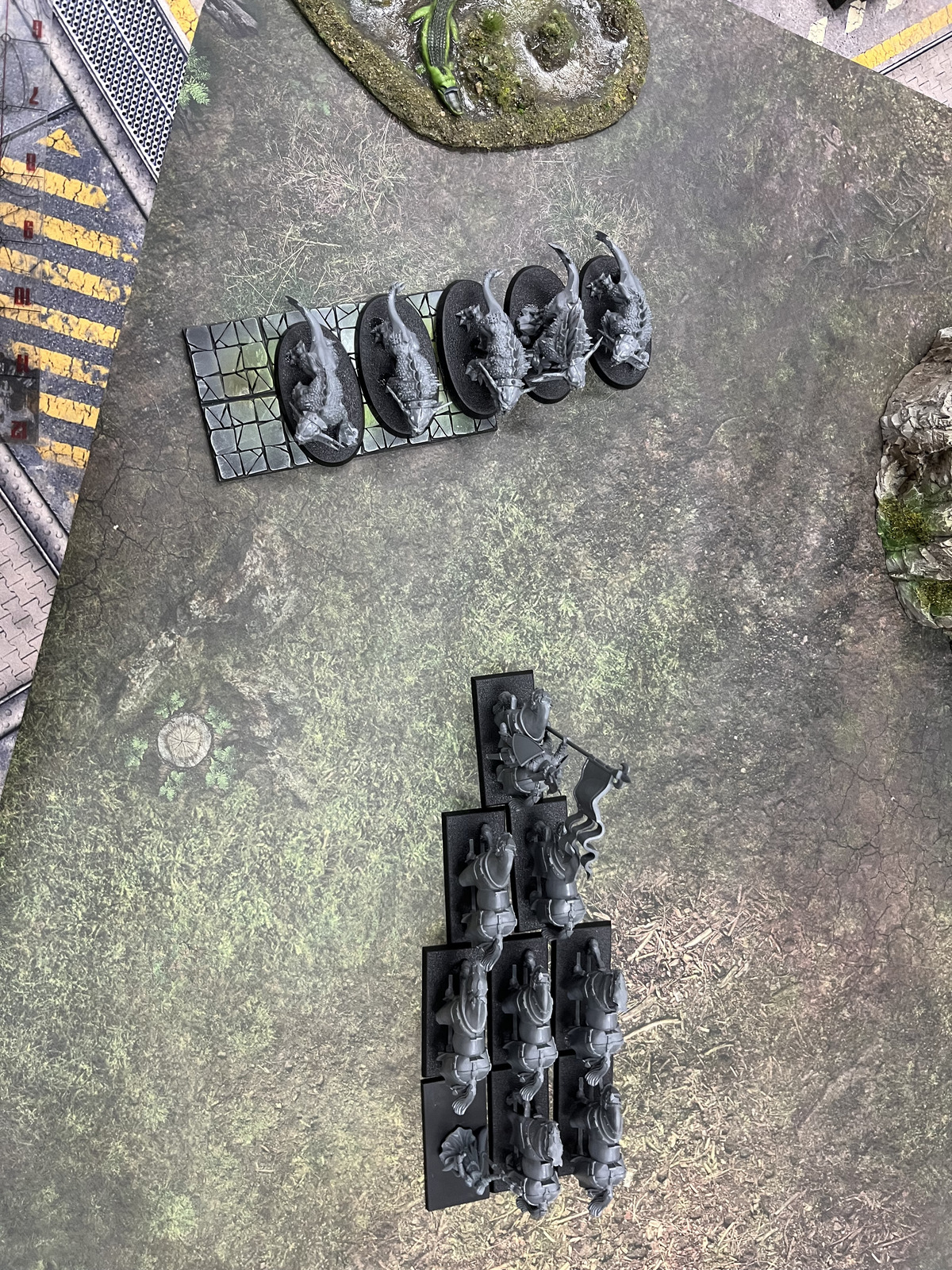
By turn four, the peasants had rallied again and even launched what was meant to be a heroic charge to hold the dogs in place for the cavalry. That plan did not exactly survive contact with reality, but we still have to give them full credit for effort.
As Wilini put it afterwards, the peasants were the MVPs:
- they smashed the ChaosFurries,
- they fled from the Flesh Hounds,
- they reformed,
- and they charged back in heroically to try to set up the knights.
Even if the grand Bretonnian plan never quite came together, the peasants absolutely earned their songs.
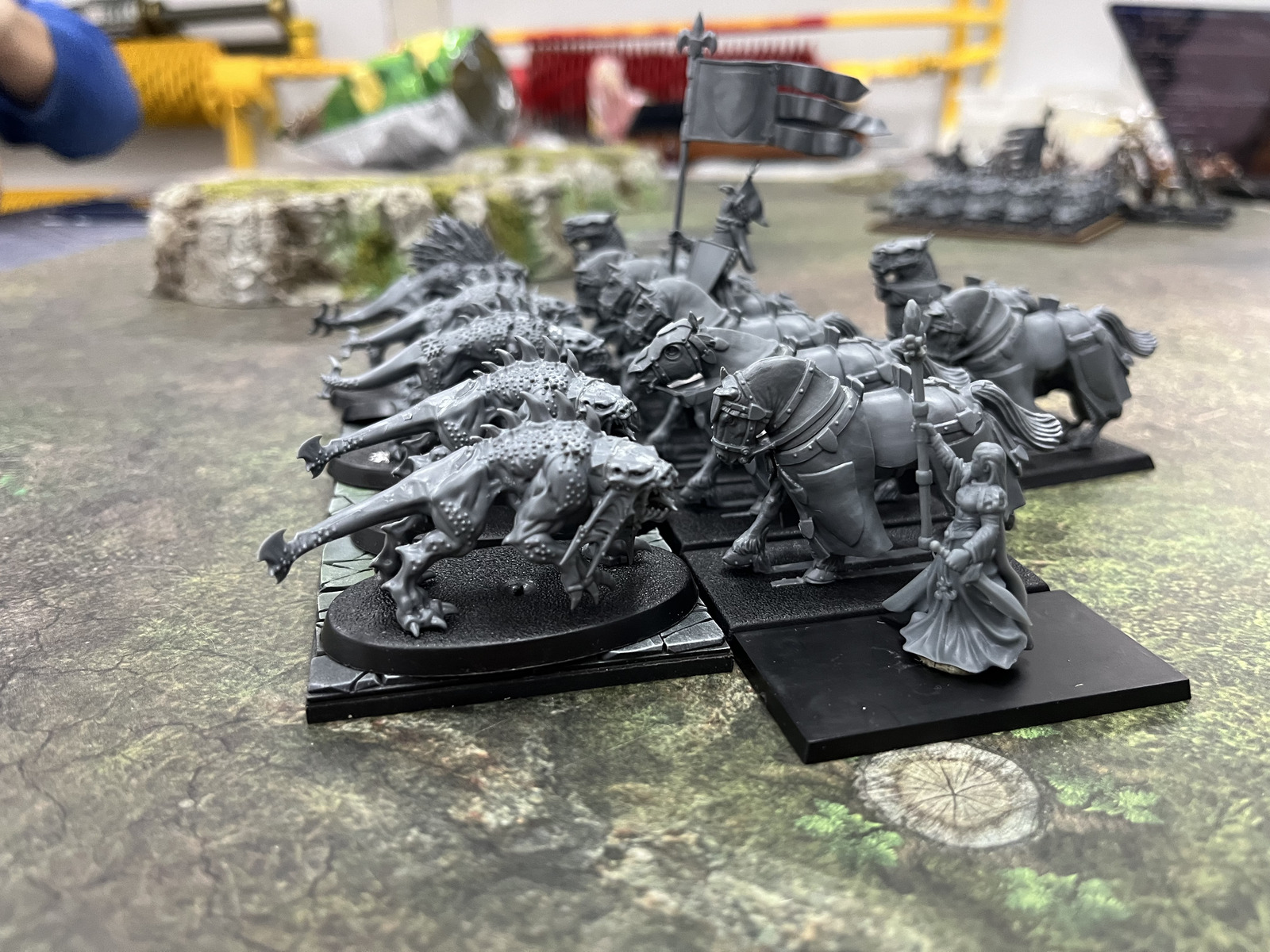
The late-game combat was a proper grind. In one key exchange, one knight and two dogs died, while on the other side two Bloodletters and five peasants went down, with Daemonic Instability claiming one more Bloodletter after that. That kind of attritional back-and-forth is exactly why these games are so satisfying to follow.
And after five full turns and about 2 hours 35 minutes of play, it all ended in a draw.
Not a fake draw. Not a “we ran out of time” draw. A proper, hard-earned, 5-turn 3:3 result.
Post-game thoughts
The best thing in the follow-up chat was that both the comedy and the learning experience came through loud and clear.
Pegie said he felt a bit overwhelmed by the rules, army perks, and all the moving parts — especially coming in with previous experience mostly from Spearhead. But at the same time, he also said this was very much what he imagined a strategic tabletop wargame should feel like before ever really getting into one.
And honestly, that sounds about right. The Old World can absolutely hit you with a lot at first, but when it clicks, it really clicks.
Wilini’s take was also encouraging: the game moved fairly quickly and smoothly, and once the combat tables were being handled efficiently, the hit and wound steps went nicely. Most of the uncertainty came from manoeuvres, sequencing, edge-case movement, and remembering army-specific rules — which is exactly the kind of thing that gets easier after a few games.
Also, in a beautifully relatable moment, he admitted forgetting things like the horses also attack, and missing an overrun option that would have changed positioning. Extremely real. Extremely Old World.
Bloodletters in theory, Bloodletters in practice
The chat also produced a very accurate summary of daemon expectations versus daemon reality.
Bloodletters in theory: terrifying, relentless engines of murder.
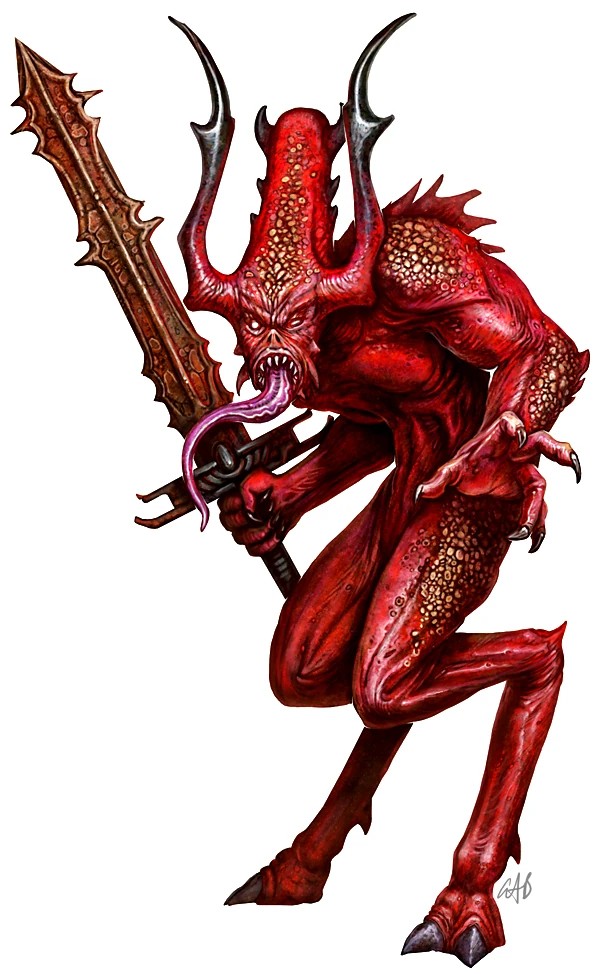
Bloodletters today: maybe let’s just take 2.5 inches backwards and think about this.
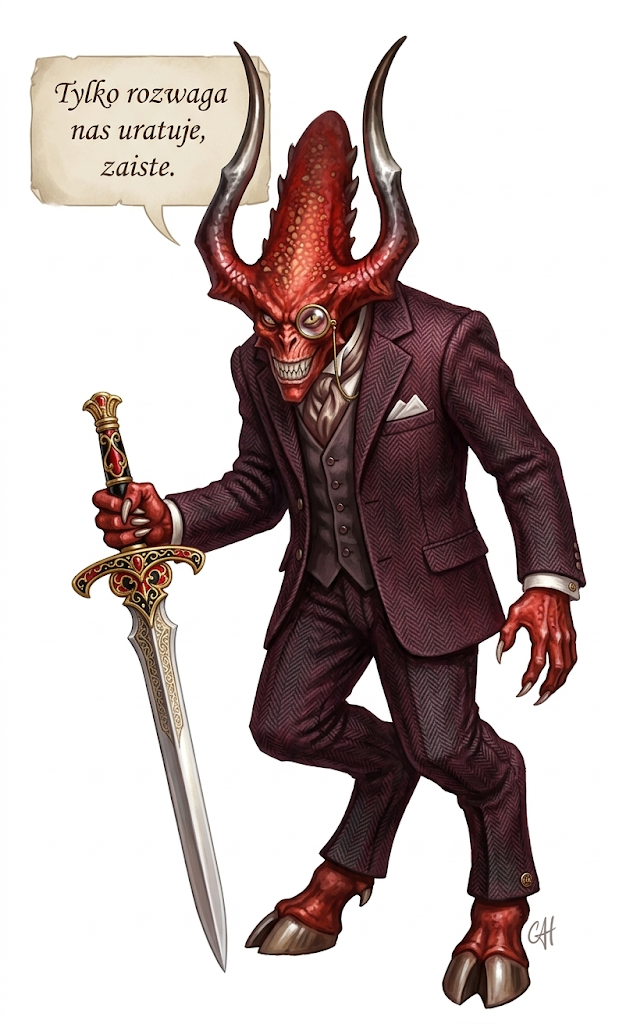
And really, that contrast may be the most honest battle report image pairing we’ve had in a while.
Final thoughts
This was a great start to the event: a close game, loads of memorable moments, and exactly the kind of match that makes us want to keep pushing little regiments around all day.
Big congrats to both players for a fun one, and special respect to the peasant block, who turned up expecting to die anonymously and instead became local legends.
If the rest of the neighbourhood Cinquecento keeps this level, we’re in for a very good time.