Paper hordes, tiny scales, and a very dangerous Old World idea
We love it when a completely innocent link turns into a full-on army-building scheme.
This time it started with Stas dropping a Reddit thread about WoFun minis and immediately calling it what it is: a very cool gimmick for systems with huge armies.
And honestly, that was enough to get us going.
Michał immediately went to the place our brains always go sooner or later: what if we played something massive? Warmaster, Epic, some weird in-between project, or even straight-up Warhammer: The Old World at a smaller scale and much lower cost.
He mentioned seeing a battle using Warmaster-sized models, with unit size limits removed, distances converted from inches to centimetres and rounded down, and the whole thing played as a 20,000 points per side battle using The Old World rules.
That is exactly the kind of sentence that makes us stop whatever sensible hobby plan we had before.
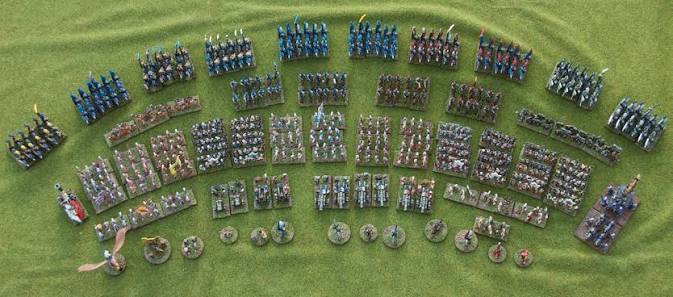
Stas was immediately into it too. Sure, we’d have to figure out how to track wounds cleanly at that scale, but as a concept? Absolutely glorious.
Looking for the cheap way into giant battles
From there the discussion split into two very familiar hobby paths:
- buying flat acrylic / printed ranges like WoFun, and
- printing something ourselves just to test the idea fast and cheaply.
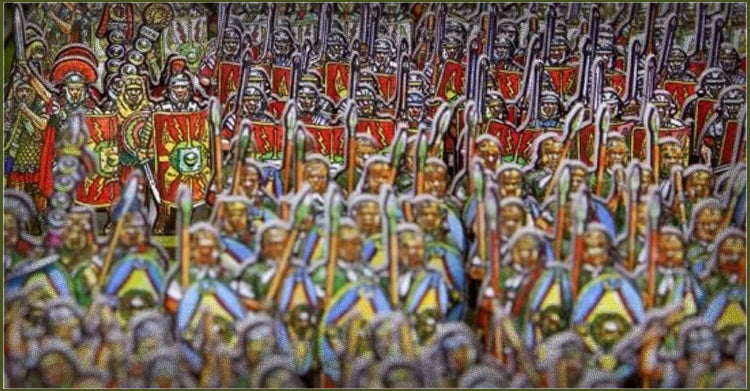
Stas found the Roman range on WoFun and threw it into the chat with a dangerous little “maybe…?”
A bit later he also found their 10mm Gallic Wars line.
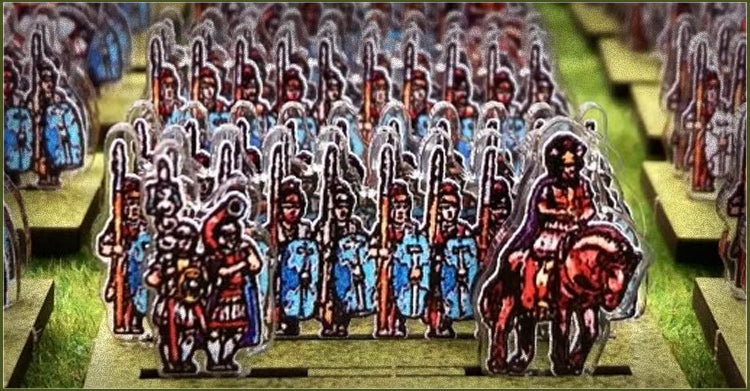
The key question became: what scale actually makes sense if we use The Old World rules with 1 inch converted to 1 centimetre?
Our very scientific conclusion was that 18mm feels more convincing than 10mm for that kind of conversion. Michał referenced PocketHammer notes suggesting that 10mm can end up a bit too small for the balance to feel right, with around 14mm being closer to the sweet spot. Since 18mm is at least in that neighborhood, it started sounding like the more attractive option.
Naturally, this then devolved into percentage math jokes and a side quest involving terrible public arithmetic.
Because no hobby planning session is complete until someone accidentally opens a debate about percentages.
Budget tech on the table
End3r summed up the whole mood perfectly: budget options are always welcome.
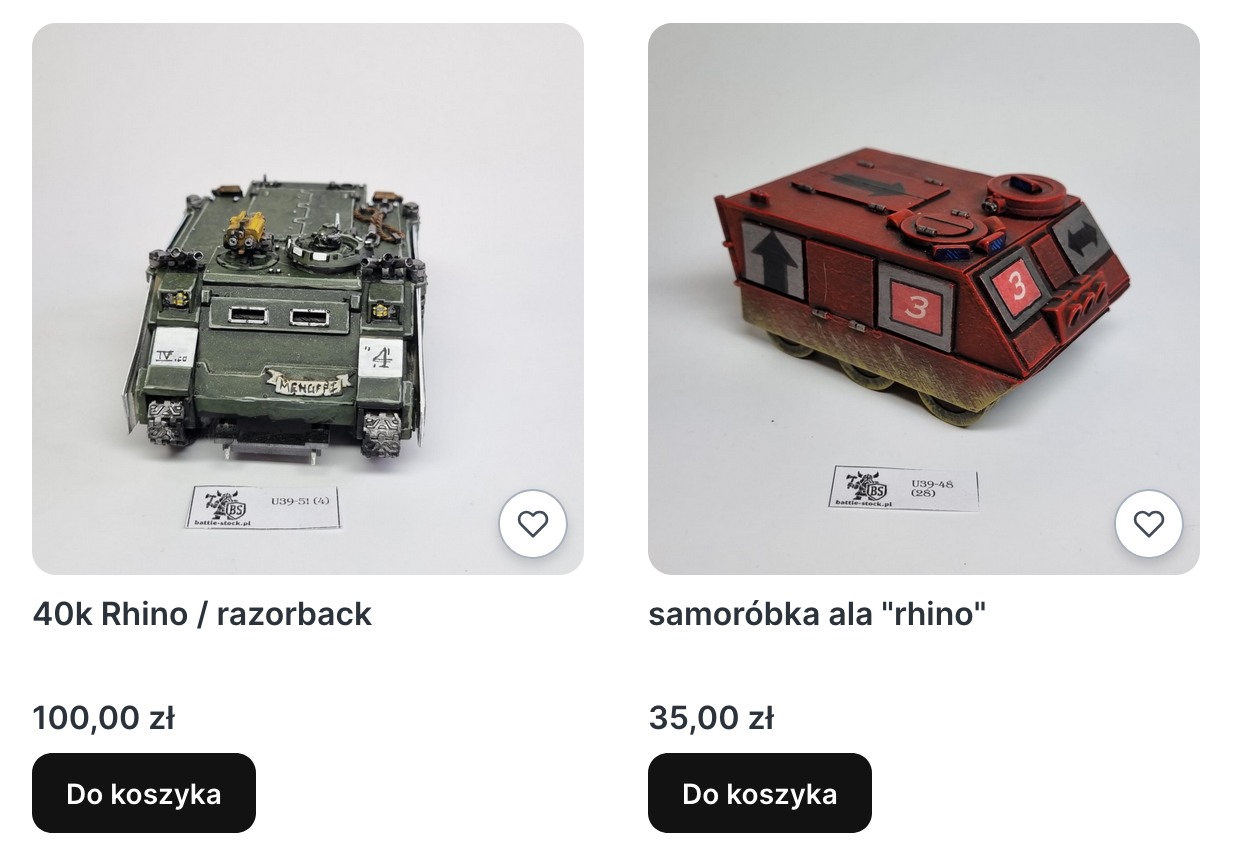
And that is where the idea became much more real.
Instead of jumping straight into resin printing thousands of tiny rats, Michał suggested the most practical possible first step: paper stand-ins. Not STLs right away, not a giant production pipeline, just printing units on a normal printer and making simple cardboard tokens so we could actually test whether the whole thing works.
That, honestly, is the kind of army-building energy we respect most. Not glamorous, but incredibly effective.
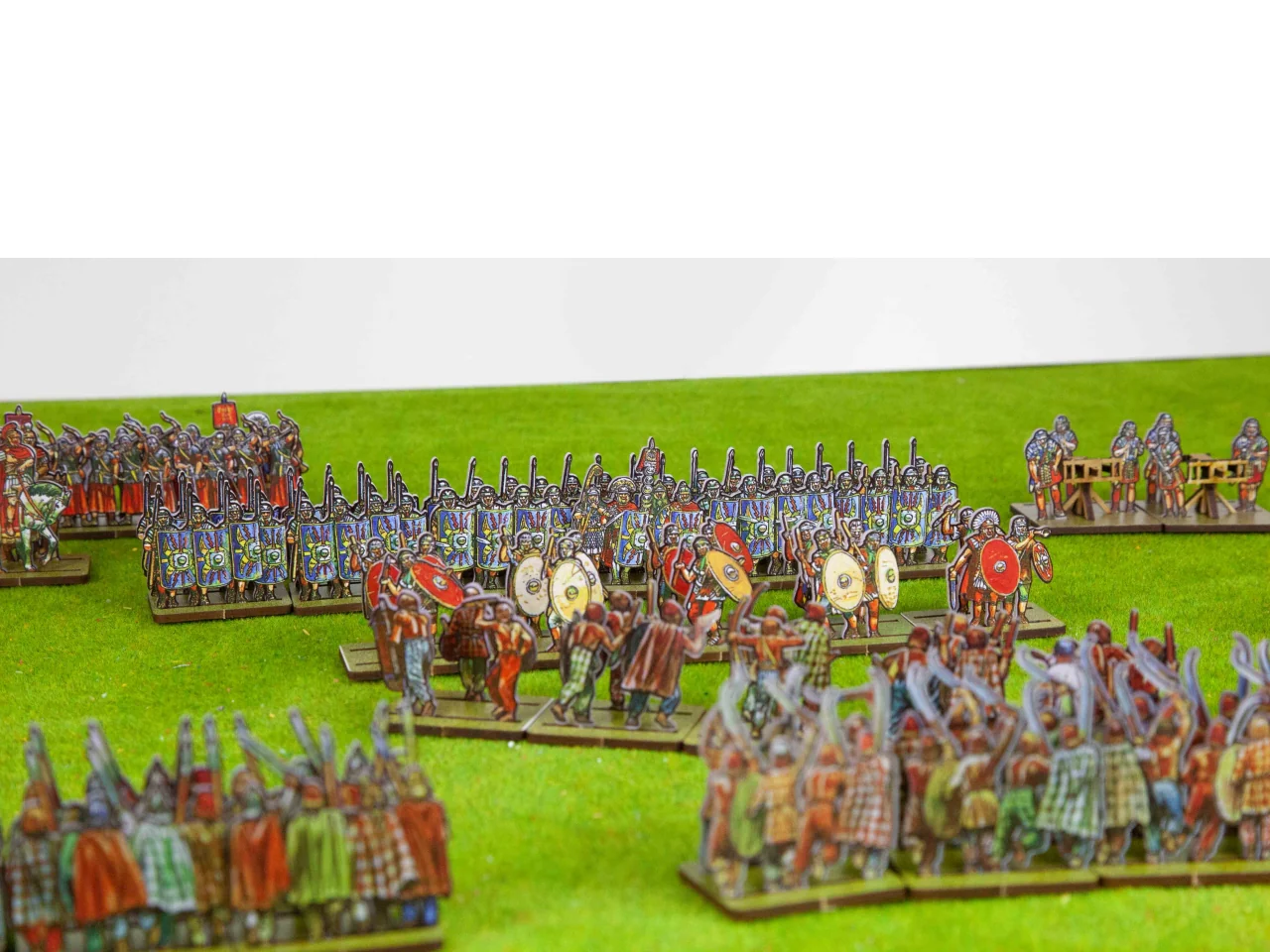
The logic was straightforward:
- first, get something on the table,
- test whether smaller-scale The Old World actually feels good,
- see whether our campaign grows into needing truly giant battles,
- and only then start doing proper 3D printing.
In other words: prototype first, commit later.
From 20,000 points of Skaven madness to a 2,000 point test
At one point Michał said the words that every sensible person should fear:
maybe I’ll print 20k points of rats and we’ll actually do it?
A few seconds later, sanity returned and the plan became much better: maybe 5k to start, and then even more sensibly, a 2,000 point test game.
That sounds exactly right to us. Big enough to see whether the concept has legs, small enough that we don’t spend weeks preparing for a one-off experiment.
At that stage Michał was already assembling source material and getting ready.
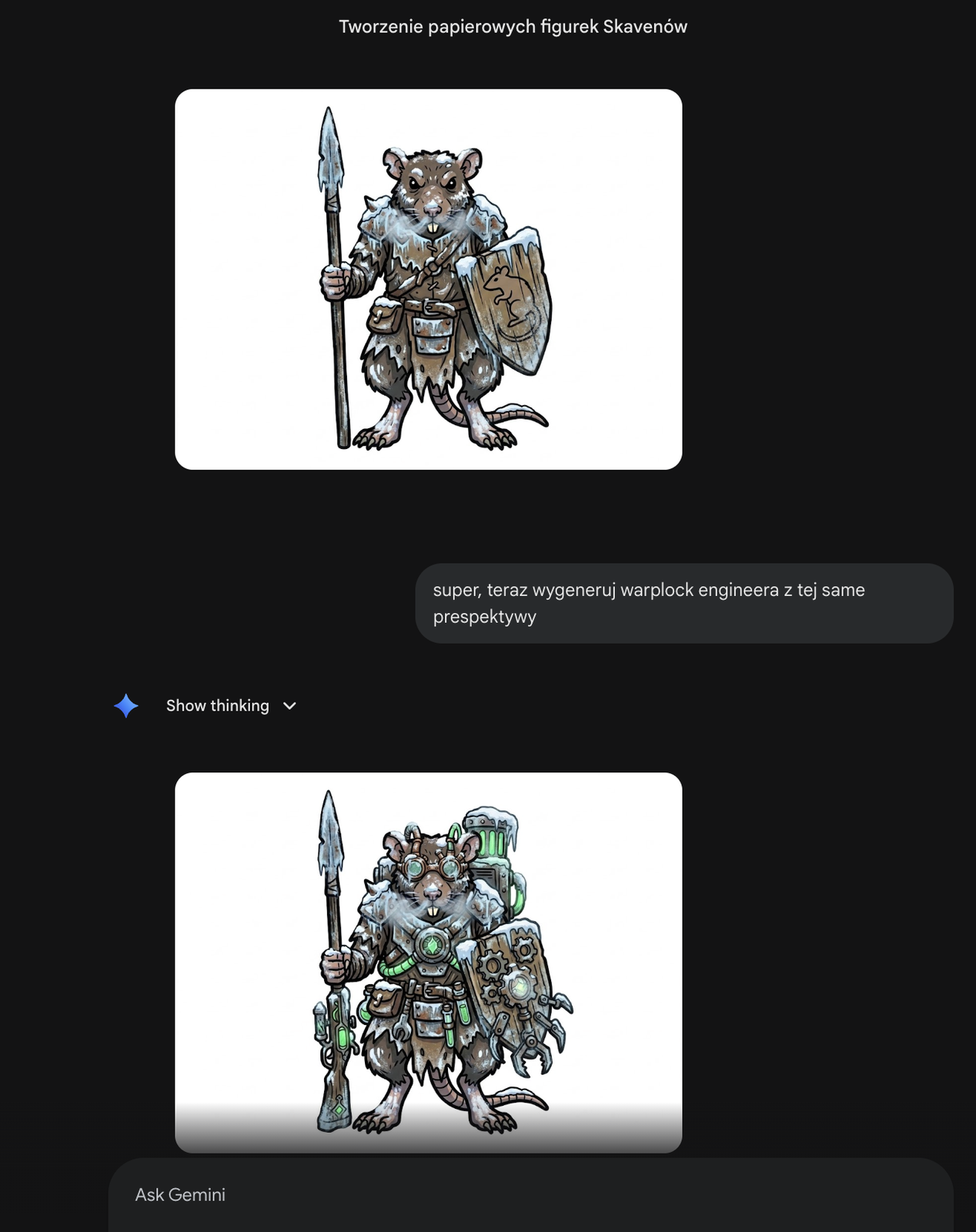
Then came the follow-up that always escalates things further:
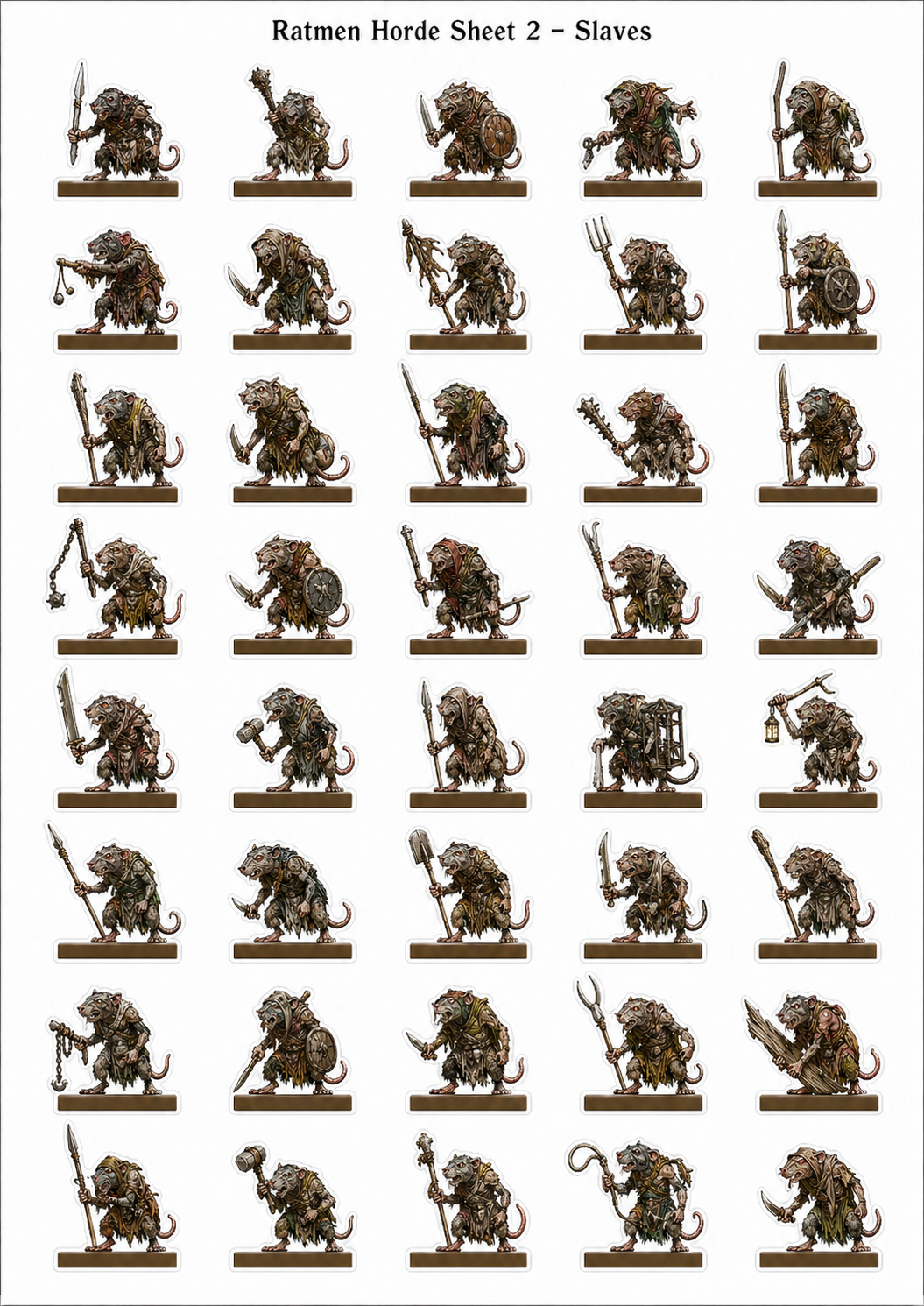
Stas’s reaction was perfect and very relatable: that’s a lot of them.
So what are we actually building?
Once the joke phase ended, we moved into actual list-planning mode.
The rough plan right now is:
- test Warhammer: The Old World at reduced scale,
- start around 2,000 points,
- lean into big infantry blocks,
- avoid turning it into pure herohammer,
- and use cheap printed stand-ins first.
Stas also immediately asked the most important follow-up question once the process looked viable:
can you make me some Orcs too?
And that really is the dream here. If this works, it opens up a very fun way to build armies for giant battles without needing a full traditional collection at full size from day one. You can sketch out a force, print rough stand-ins, see what actually looks and plays well, and only then decide what deserves a more polished version.
For army-building, that’s kind of brilliant.
Why we like this idea so much
What we enjoy most here is that this approach solves a very specific hobby problem:
Sometimes we want the spectacle of mass battle Warhammer, but the normal route to get there is expensive, slow, and space-hungry. Smaller scales, flat minis, and even plain paper standees can lower the barrier so much that weird ambitious projects suddenly become realistic.
And yes, part of the charm is also that it feels a little unhinged.
A test game with cardboard regiments today can easily become:
- proper printed armies tomorrow,
- campaign battles at escalating point values,
- and eventually some absurd 10k+ clash we absolutely did not need but definitely wanted.
So at the moment we’re somewhere between “this is a funny idea” and “please send us your preferred number of Black Orc units”.
Which, for us, usually means the project has already started.
If this goes well, we may have accidentally found a very fun route into giant-scale Old World battles without giant-scale spending. And if it doesn’t? We’ll still get a ridiculous paper-army test game out of it, which sounds great anyway.