A TinyD6 Skirmish with a Lem Twist? We’re In
Stas dropped something into our chat that immediately caught our attention: a playable draft of a new skirmish game built on TinyD6, the same system we previously tested during our delightfully cursed Dark Peppa sessions.
This time, the idea is to take that lightweight RPG chassis and turn it into a campaign skirmish game stretching across multiple battles. And honestly, that sounds like exactly the kind of weird, ambitious hobby project we love.
The core idea
The current concept is pretty straightforward: simple skirmish rules, small groups of characters, and a campaign framework that lets the story continue from one encounter to the next.
What makes it especially interesting are three modifications Stas wants to build on top of TinyD6:
- Band system – each player controls a small group of characters, currently assumed to be 1–3 models.
- Trait system – inspired a bit by Project Zomboid, where positive traits cost something and need to be balanced by negative ones.
- Dice pool system – inspired by Warcry, where each character rolls a small pool of dice at the start of the round and can later substitute test dice with those results… at the cost of health.
That combination sounds promising for a few reasons.
The band system pushes the game more toward actual tactical skirmish play. The trait system should make warbands more flavorful, less “perfect,” and hopefully reward clever play around limitations and drawbacks. And the dice pool mechanic is there to reduce some of the swinginess of pure luck without removing tension completely.
A setting with time travel and Lem energy
The setting is maybe our favorite part so far.
Stas described it as Lem-inspired, with time travel as a core element. That opens the door to a lot of freedom in scenario design, which is exactly what you want in a campaign game. If your premise allows people, places, and problems from wildly different eras to collide, you can justify a lot of very fun nonsense on the tabletop.
At this stage, the project already includes:
- a Lem-inspired setting built around time travel,
- around 70 character traits,
- 6 sample scenarios,
- several example NPC behavior algorithms, compared by Stas to board-game-style D&D automation.
And if someone wants to get a better feel for the mood behind it, Stas specifically recommended “The Twentieth Voyage” from The Star Diaries by Stanisław Lem.
Of course we immediately started talking about miniatures
Because no skirmish idea in our group stays abstract for long, the conversation quickly moved to the really important question: can Michał print us some minis?
The answer was yes — with one small catch. Nobody was entirely sure anymore which exact models had been agreed on earlier, so naturally we had to reconstruct the search process from memory. The rough brief was:
- modern-looking characters,
- firearms,
- a few masks,
- and some vaguely remembered name along the lines of hunters or rangers.
Which is, frankly, an extremely relatable stage of every hobby project.
Then the vibe image arrived
A little later, Ender posted an image with the immortal introduction: “this somehow made me think of it.” Michał’s response was immediate: “omg, perfect.”
That pretty much sealed the tone of the whole thing.
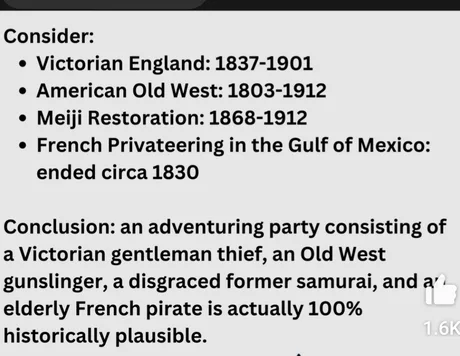
We’re not going to over-explain it. Either you see the energy right away, or you don’t — and we definitely did.
What happens next
For now, this is still a prototype and a playtest invitation rather than a finished game announcement. But it’s already the kind of prototype we really enjoy seeing: there’s a clear mechanical direction, a strong theme, sample content to work with, and enough weirdness to make us curious.
We’re especially interested in how the campaign layer will feel over multiple games, whether the trait system produces memorable little disasters, and whether the health-for-control dice pool mechanic creates the right kind of painful decisions.
Also, let’s be honest: a skirmish campaign with a Lem-flavored time-travel premise gives us a fantastic excuse to mix aesthetics, scenarios, and miniatures that probably should not coexist — which is usually a very good sign.
If this gets to the table soon, we’ll absolutely want to report back after the first tests.