Blood Tithe Tech We Almost Missed
One rules question, and suddenly the whole army looked different
Sometimes an army-building idea doesn’t start with a list at all. Sometimes it starts with somebody dropping a screenshot on chat and asking: wait, did we actually play this right?
That was exactly the case here.
We were talking through a recent Khorne interaction in Age of Sigmar, starting from a wording check around combat timing and then sliding straight into Blood Tithe abilities and movement shenanigans. The more we looked at it, the more it felt like one of those mechanics that can quietly redefine how you build and pilot an army.
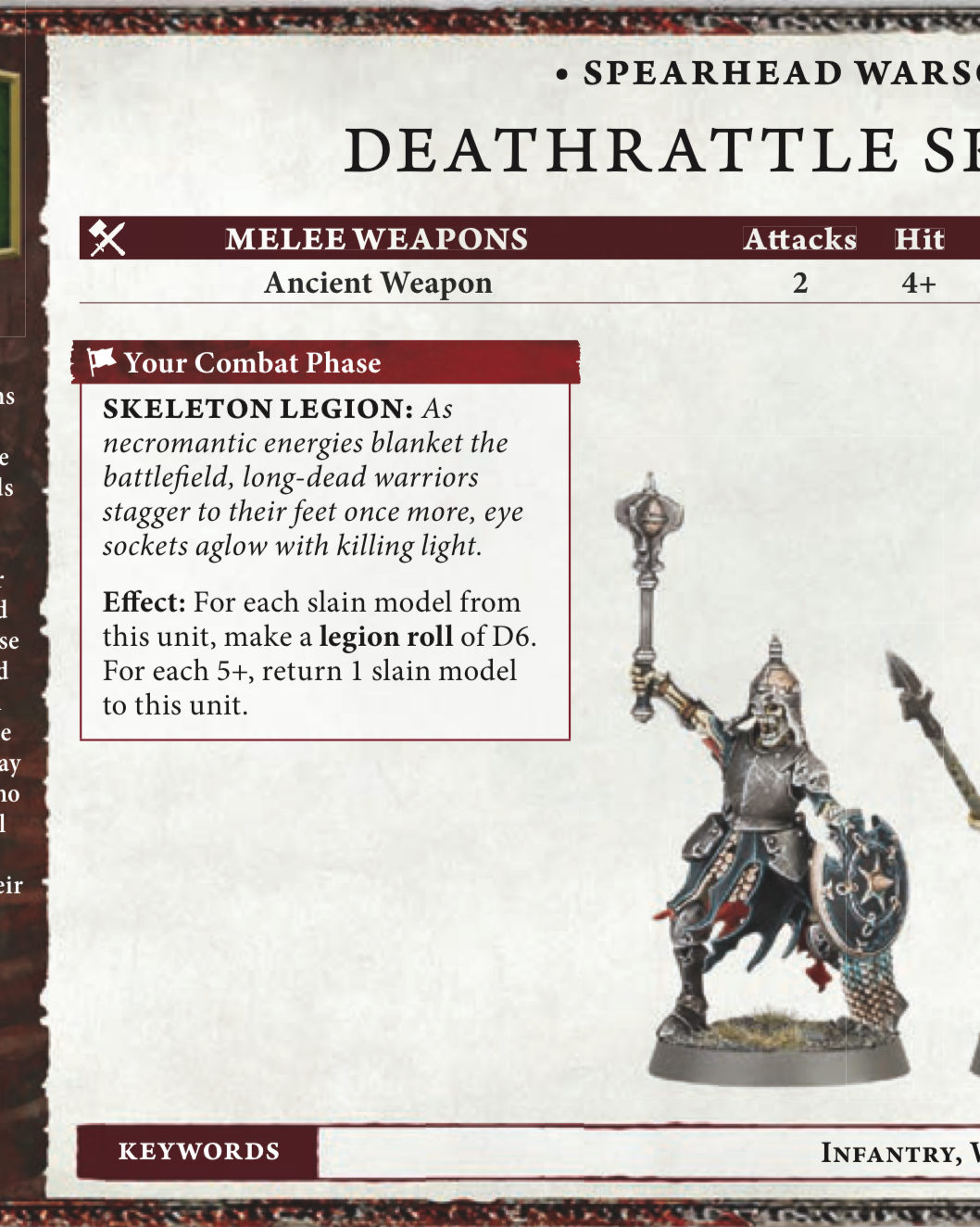
The moment it clicked
Michał spotted that one of the Blood Tithe options could do much more than we had been giving it credit for.
What started as a quick “is this old or new?” turned into a proper little discovery session:
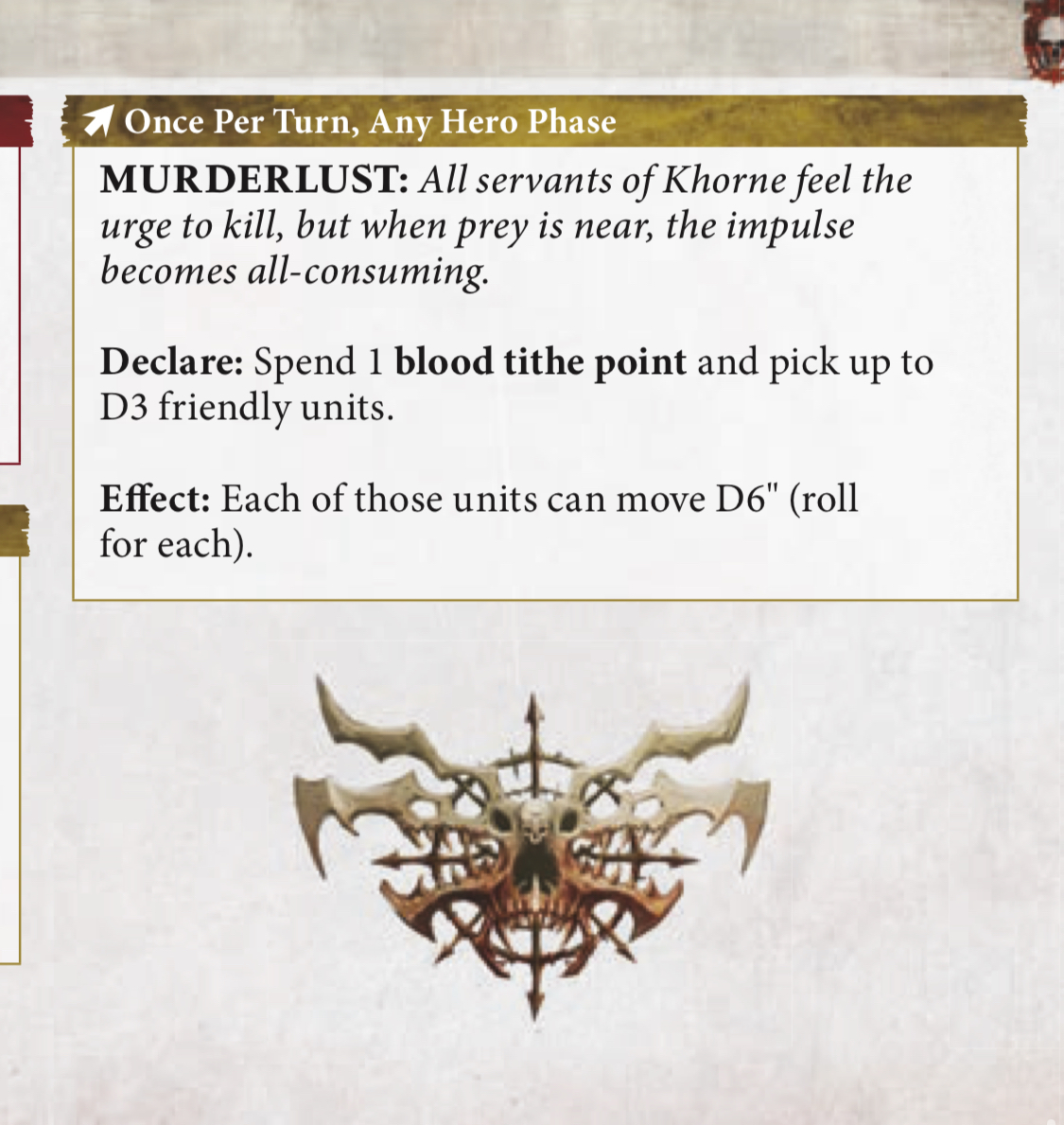
The key takeaway from our chat was this:
- the movement happens in any hero phase,
- the wording apparently doesn’t prevent selecting a unit that is already in combat,
- so in practice it can function like a retreat-style reposition,
- and because it is not your normal movement, it opens up some very nasty sequencing.
That immediately led us to the obvious Khorne question: if a unit like Bloodcrushers gets value from charging, can we keep cycling them through combat and setting up another hit?
Why this feels so strong
The exciting part for us wasn’t just “free movement is good,” because that is obvious. The exciting part was how many angles this seems to create.
From the discussion, a few applications jumped out:
1. Recycling charge threats
The first and most brutal use is simple: charge in, get your impact and charge-related value, then in a later hero phase use Blood Tithe movement to pull out and line up another charge.
If that works the way we read it, units that already want repeated charges become much more attractive in list construction.
2. Movement in the opponent’s hero phase
This was the bit that really made us stop.
Because the ability works in any hero phase, it potentially means repositioning during the opponent’s turn. That is a huge deal. Even without charge bonuses, being able to leave combat, redeploy your threat, or tie something up at an unusual timing window can completely change how the board develops.
3. Extra board control without relying on normal movement
Another point Michał raised was that you could use this movement and then still go on to make your regular move later, followed by a charge. If that reading is correct, the army gets a lot more reach than we first assumed.
And if the effect can target D3 units, that starts sounding less like a cute trick and more like a real army-wide plan.
4. Tagging units at awkward timing
One especially spicy observation from the chat: if the movement does not say it cannot end in combat, then you may be able to move into engagement range in the enemy hero phase. It would not count as a charge, so you would not get charge bonuses from that move alone, but simply tagging enemy units at that timing could be incredibly disruptive.
That kind of play can force awkward combat sequences, shut down movement options, or just make your opponent’s turn miserable in the most Khorne way possible.
What this means for army-building
This is the part we liked most, because it pushes Khorne away from being just “run forward and hit things” and more toward “build around pressure loops.”
If this interaction holds up under a full rules read, then it encourages us to value:
- units that gain a lot from repeated charges,
- pieces fast enough to exploit repositioning,
- multiple threats rather than one giant hammer,
- board-control tools that become better when they can appear in weird timing windows,
- Blood Tithe planning as a real list-building resource, not just an in-game bonus.
Pegi mentioned that up to now he mostly looked at spending points for extra rend, because making basic infantry save on effectively impossible numbers is already hilarious. And honestly, fair enough — that is very Khorne.
But after this chat, it feels like the movement option may be the kind of rule that changes how we evaluate whole units, not just how we spend points mid-game.
The important caveat
As always with this kind of excitement: this post is based on our conversation and our reading of the wording shown in the screenshots, not on a full formal rules breakdown or FAQ review.
So before anybody rebuilds their whole army around sprinting angry daemons in and out of combat forever, it is worth double-checking the exact current wording, restrictions, and any relevant designer commentary.
Still, these are exactly the hobby moments we love — when a casual rules question suddenly opens up a whole new way of thinking about an army.
Next step: test it on the table
The best part is that this one is not staying theoretical for long. Pegi already declared he is going to test it next game, and honestly we are very curious whether it feels merely strong or completely absurd.
If it works the way we think, Khorne might have one of those deceptively technical movement tools that rewards planning several phases ahead.
And if not? Well, at least we got a very entertaining reminder that sometimes the deadliest thing in Warhammer is not the warscroll — it is a friend rereading it at 9:50 in the morning.