Old World Rules Talk, Skaven Tech, and a Strong Start at the Polish Championships
Event mode on: rules digging and tournament adrenaline
Sometimes the hobby week is all about painting. Sometimes it is all about list building. And sometimes it turns into a full-on rules archaeology session interrupted by actual tournament updates from the battlefield. This was very much one of those days.
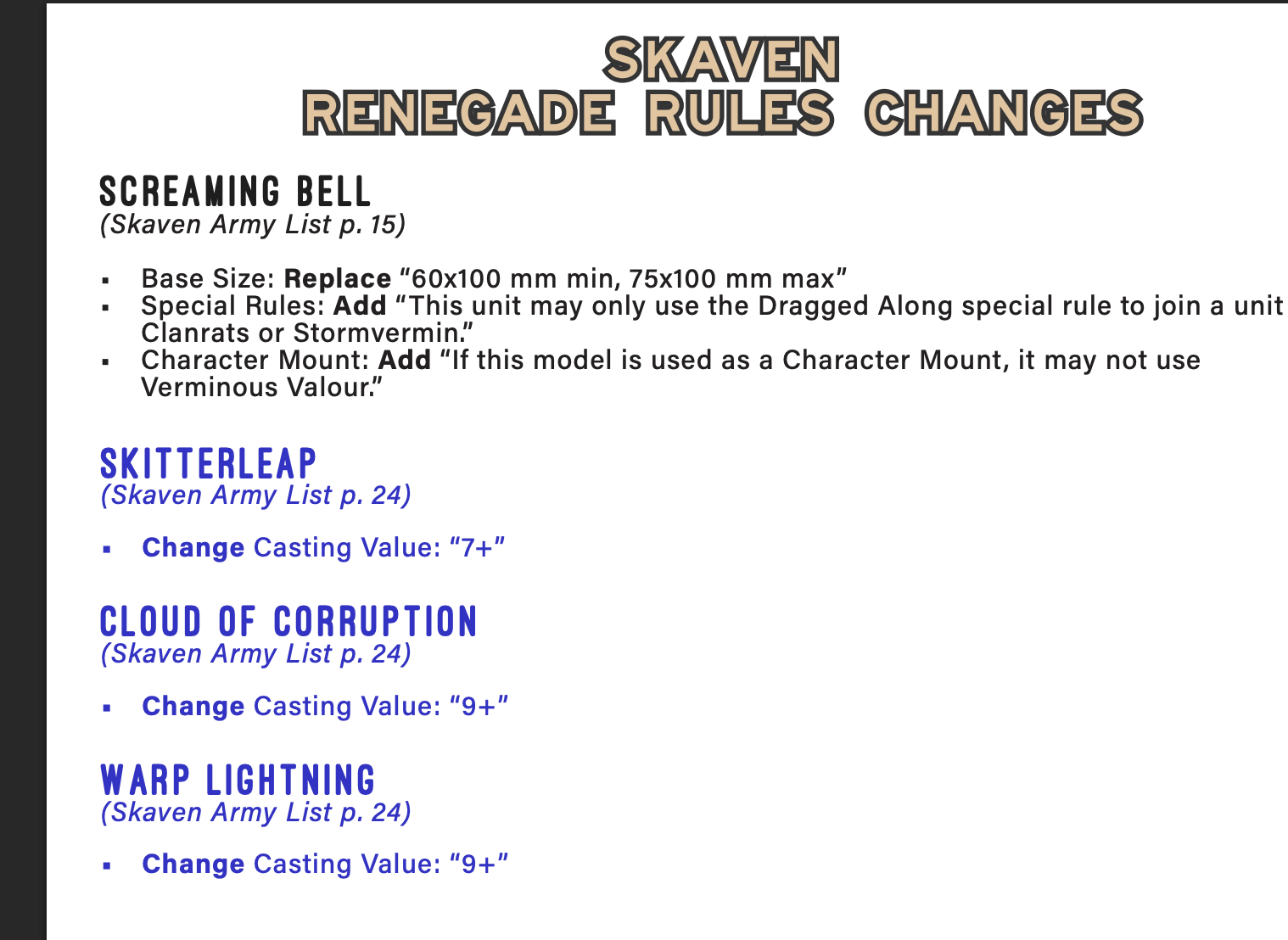
We started with a discussion around the new Renegade changes and how they interact with Verminous Valour. At first glance it looked like a bit of a nerf for Michał, especially because characters can no longer move and attack as freely in that interaction.
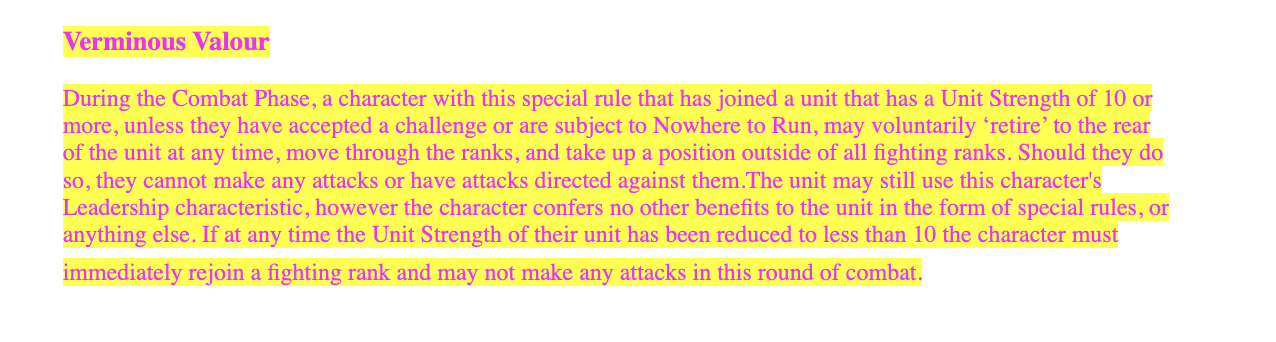
Still, as Michał quickly pointed out, it probably does not change that much in practice.
A moment later we were already correcting an older assumption about the Renegade 1.5 discount from last year, which in turn meant a spell should really be cast on a 9+. Classic Old World experience: one small remembered detail and suddenly the whole probability math shifts a bit.
Skaven being Skaven
Then the conversation moved into a very Skaven-shaped direction. Michał described a setup we all immediately recognized as both nasty and weirdly thematic.
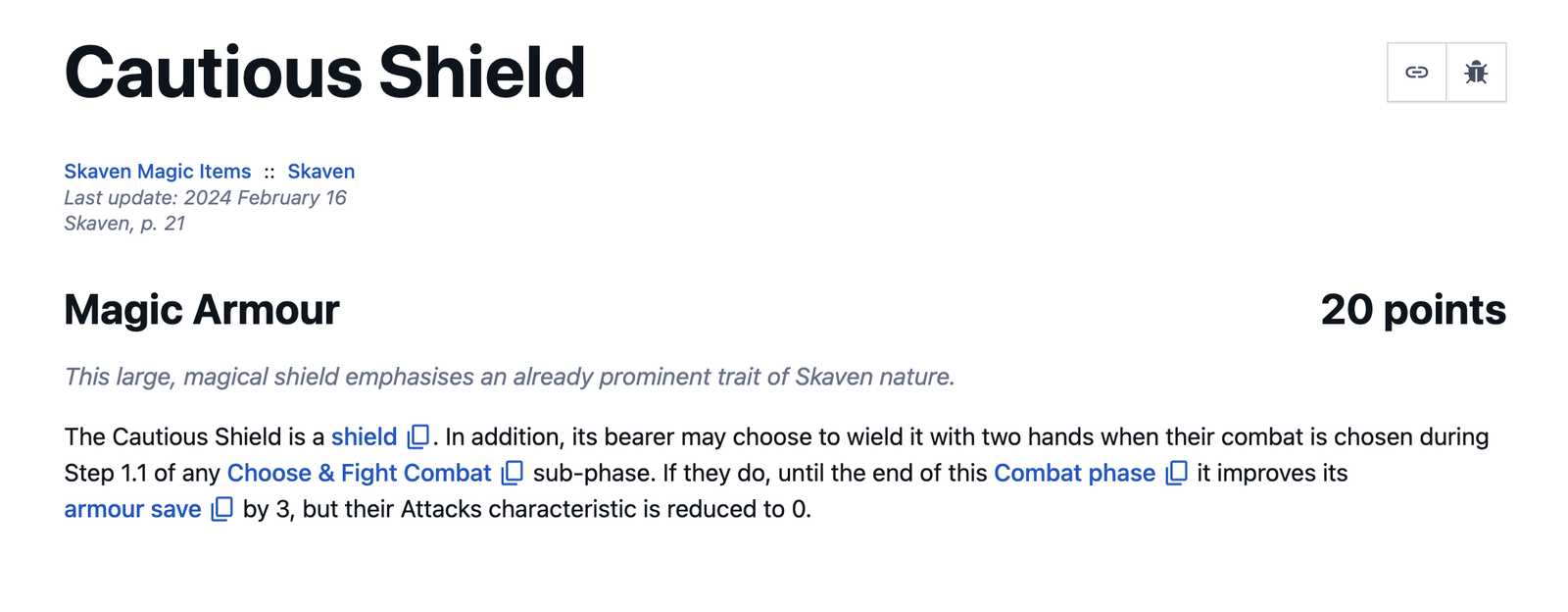
The enemy wizard setup always takes Lore Familiar to pick Oak Shield, giving a 5+ Ward, while the warlord gets a specific defensive item and hides inside a big brick of Clanrats or Stormvermin. Once someone charges in, the warlord issues a challenge, tanks attacks, sits there on a 2+ armour save and 5+ ward, and the rat block tries to win the challenge and force the combat into an awkward result.
The plan, of course, is deeply Skaven: either rely on the enemy fleeing, or on a messy combat flow that eventually pushes things off the table after a few turns. It is exactly the kind of interaction that feels annoying when you face it and somehow also very lore-appropriate.
Stas summed it up best: yes, it is strong, but it is also just very flavorful.
The rule that suddenly made Skaven look better
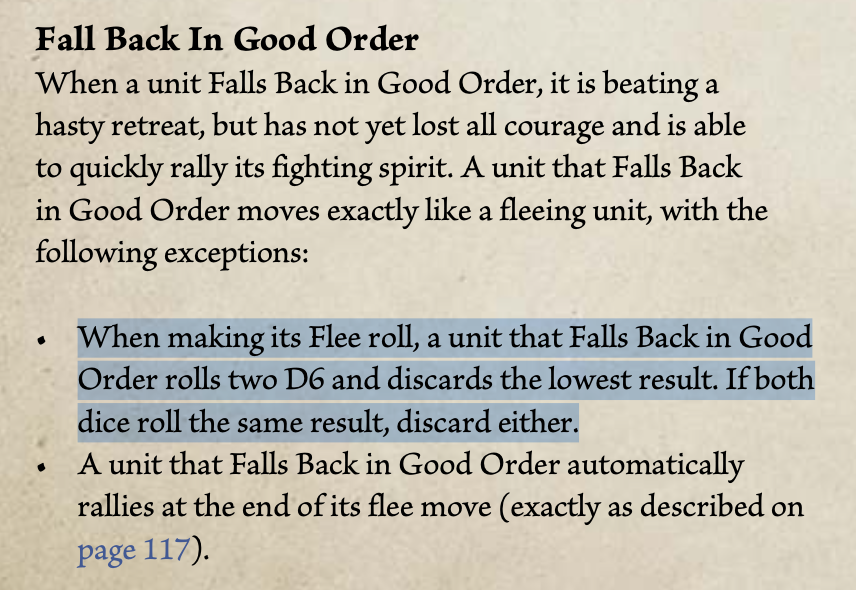
One of the more interesting discoveries in the discussion was a reminder about what happens when a unit is double outnumbered. In that case, if the result is anything other than Give Ground, the unit has to Flee — there is no Fall Back in Good Order option.
That one detail changed the feel of the whole situation quite a bit. Suddenly those Skaven blocks looked a lot more dangerous in practice, because they can push combats into exactly the kind of outcomes they want.
Later Stas also dug up the relevant bit showing that FBIGO is intentionally shorter, while Pursuit is 2D6, which means the pursuer catches up very often and the fight tends to stay live.
Armour, ward, regen… and when multiple wounds actually happen
From there, naturally, we fell into one of those wonderfully dangerous rules debates that start with a simple question and end with everyone re-evaluating how they have been playing something for months.
The topic was the order of defensive mechanics:
- armour save,
- ward save,
- regeneration,
- and then multiple wounds.
At first we were comparing it to how we tend to think about similar mechanics in Age of Sigmar, but the more we looked, the less obvious it seemed that our assumptions carried over cleanly.
Stas pointed out that ward saves are described as magical protection against the wound itself, while regeneration feels more like undoing suffered damage. That sounded sensible, but the exact interaction with multiple wounds was still fuzzy.
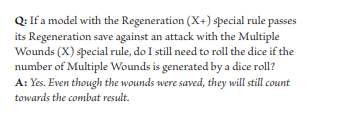
Then Michał found the key bit suggesting something very important: regen is also made against the single wound, just like armour and ward. Only if all three fail do you roll for multiple wounds.
That was one of those little rules moments where everything clicks into place and several list choices suddenly make much more sense. Michał’s immediate conclusion was perfect:
Now we understand why basically every Skaven list takes Fellblade if it can.
Honestly, fair.
Meanwhile: live from the Polish Championships
And while we were busy dissecting saves, wards, regen and rat nonsense, Ender was already doing the actually important part: playing games at MP.
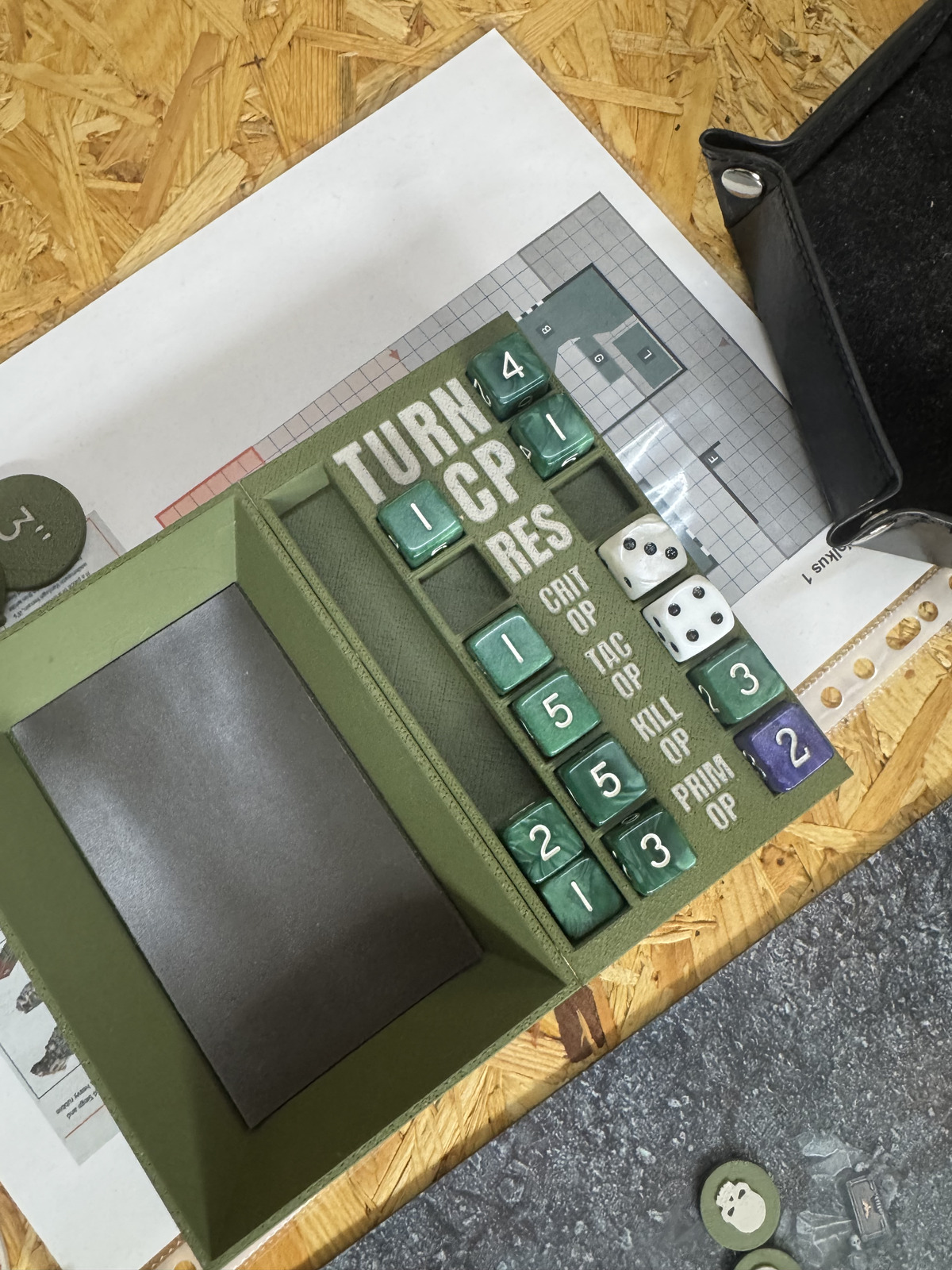
His first match of the day was done, and the report was exactly the kind of message we love seeing in chat: the plan for the whole day was already at 120%, the dice helped a bit, but a win is a win — 15:12.
That kind of result in round one is a fantastic way to start an event. Not a blowout, not a disaster, just a proper fought-for win and a morale boost for the rest of the day.
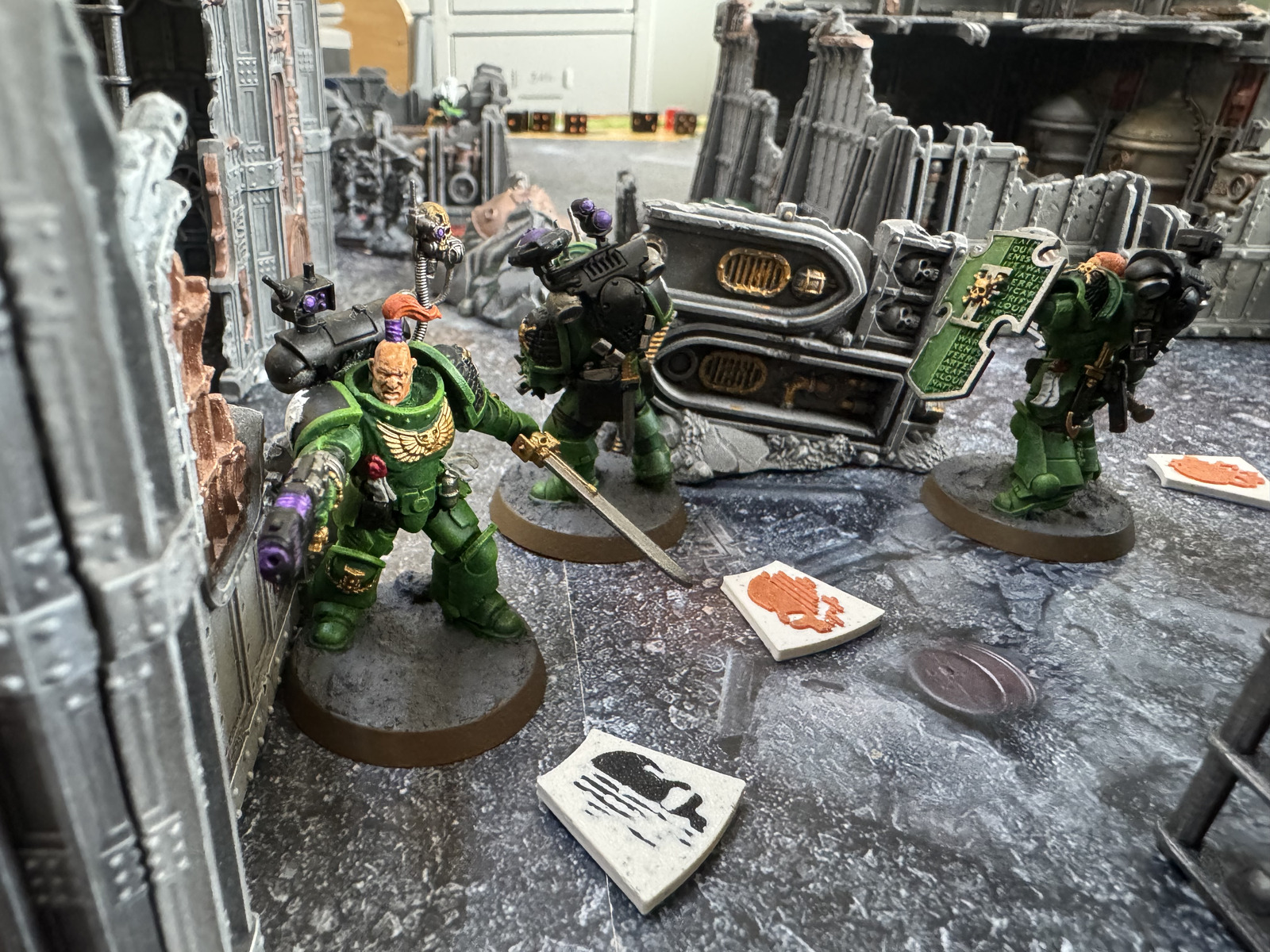
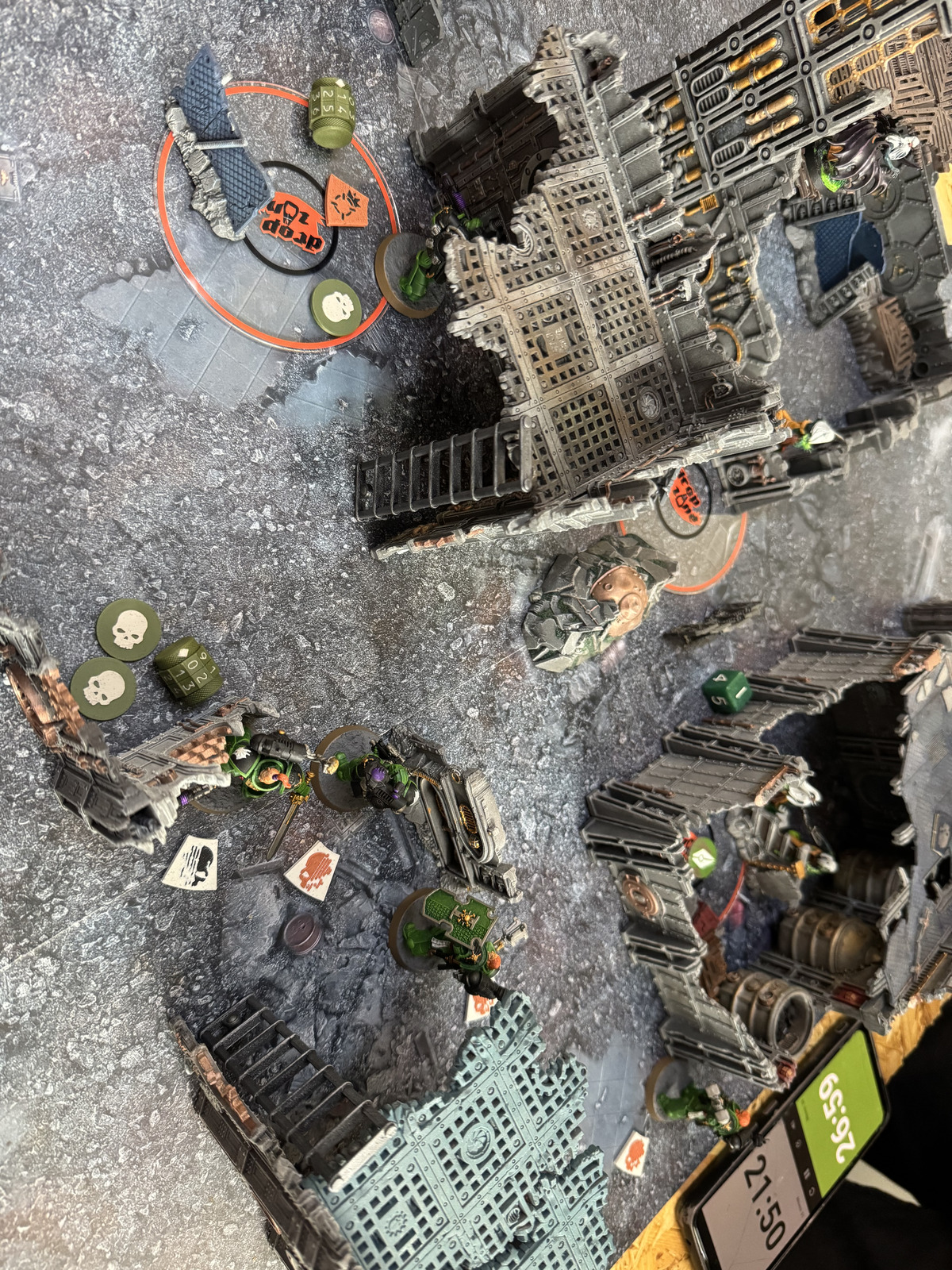
And of course we got photos from the venue, because tournament updates are always better with tables, armies and general event atmosphere.
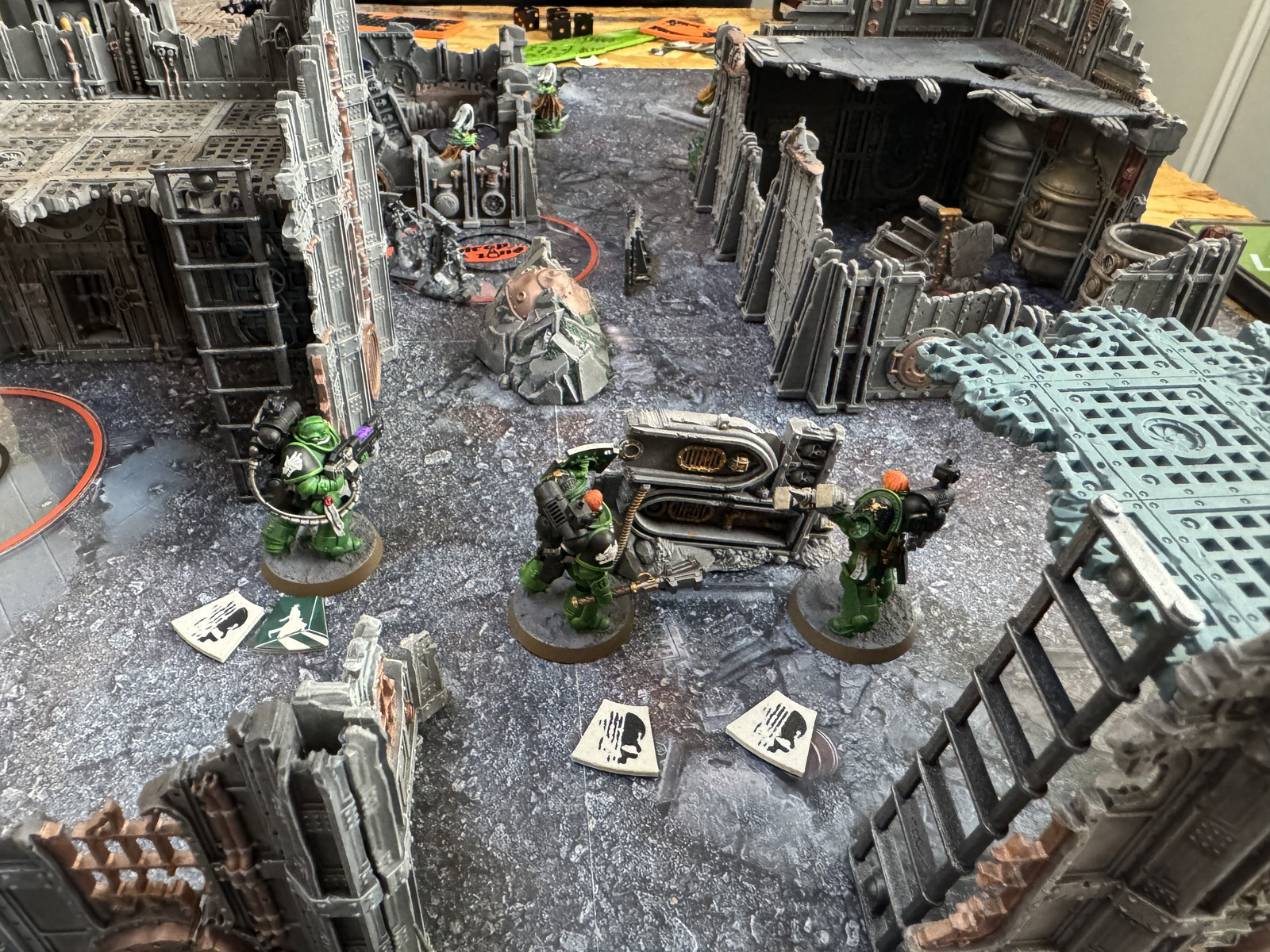
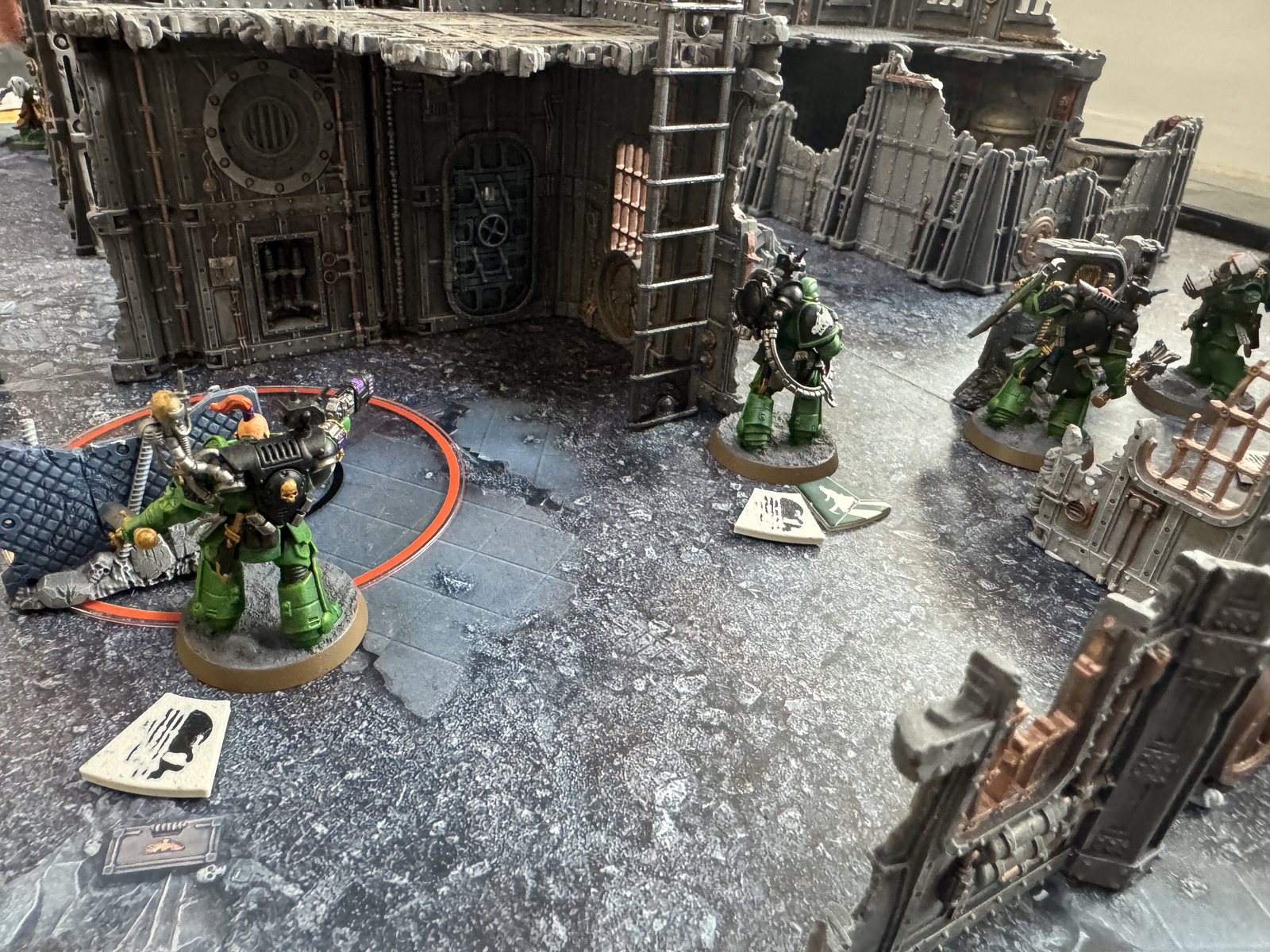
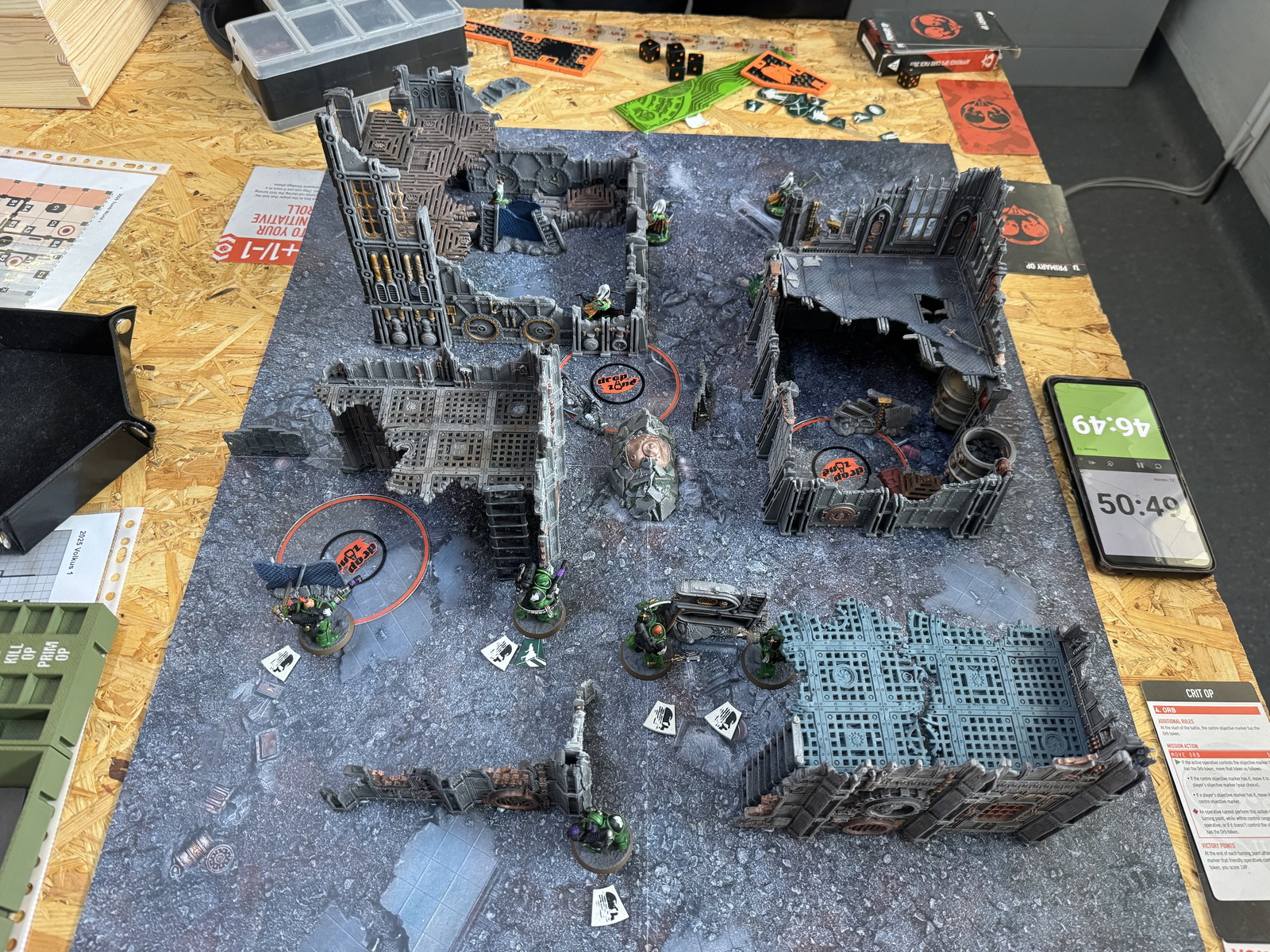
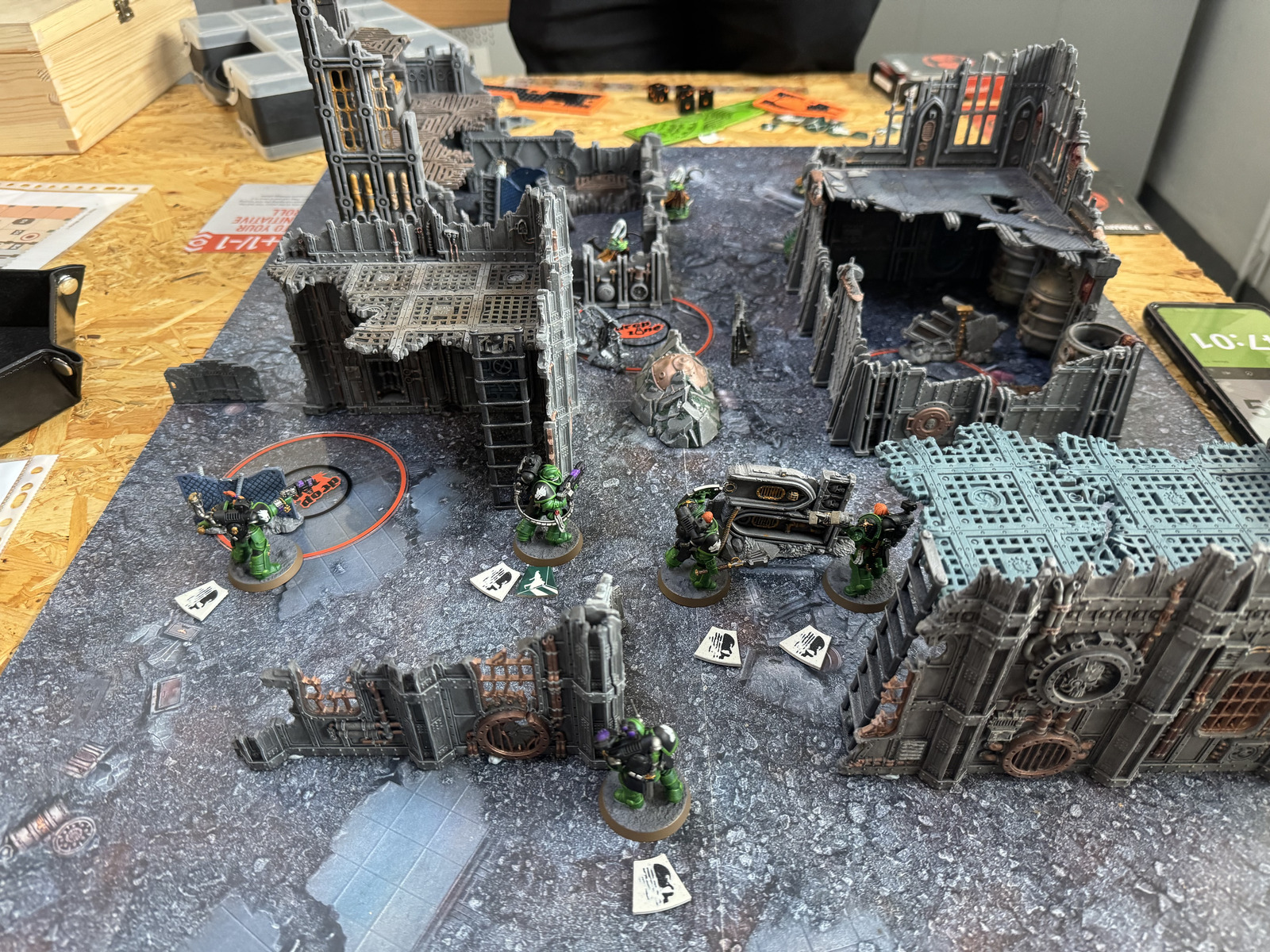
Why we love this part of the hobby
This little stretch of chat was a perfect snapshot of why event weekends are so good.
On one side, someone is at the tables, rolling dice, chasing points and trying to keep momentum through a long day. On the other, the rest of us are in full support mode: checking rules, arguing over interactions, discovering that some units are sneakier than we thought, and realizing that yes, Skaven players really will optimize every horrible little edge they can find.
In other words: exactly as it should be.
Big congrats to Ender for opening MP with a win, and big thanks to Michał and Stas for the rules detective work. We have a feeling those save-sequence clarifications are going to come back in future games very, very quickly.